Fire safety is one of the most critical aspects of modern construction, whether it's for residential, commercial, or industrial buildings. As structures become more complex and densely populated, the need for effective fire protection solutions has never been more pressing. This is where fire rating becomes essential—and companies like Ceasefire PFP are leading the charge with innovative passive fire protection systems.
In this article, we will explore the concept of fire rating step by step, and show how Ceasefire PFP contributes to creating safer buildings.
What Is Fire Rating?
The fire rating of a material or structure is a measurement of how long it can withstand fire exposure before it fails. It is typically expressed in minutes (e.g., 30, 60, 90, or 120 minutes) and is determined by standardized fire tests in controlled conditions. Fire rating applies to walls, ceilings, doors, ducts, floors, and other building elements.
Key points:
Fire rating measures resistance to fire over time.
The higher the rating, the more protection it offers.
It is often a legal requirement under building regulations.
Why Fire Rating Matters
When fire breaks out, every second counts. A high fire rating gives:
Time for evacuation of occupants.
Time for fire services to arrive.
Protection of property and structural integrity.
Neglecting fire-rated systems can result in devastating consequences, including the total collapse of buildings, loss of life, and enormous financial damage.
Types of Fire Protection – Active vs. Passive
There are two primary forms of fire protection:
Active Fire Protection (AFP):
These are systems that actively work to suppress fire, such as sprinklers, alarms, and extinguishers.
Passive Fire Protection (PFP):
This includes building components that prevent or slow the spread of fire and smoke. Passive protection is built into the structure itself and doesn't require activation.
This is where Ceasefire PFP excels.
Introducing Ceasefire PFP
Ceasefire PFP is a trusted name in the passive fire protection industry, offering a wide range of solutions designed to enhance the fire safety of buildings. The company specializes in providing materials and installation services that meet stringent fire rating requirements.
Their mission is simple yet vital: to create safe, code-compliant environments through expertly engineered PFP systems.
Ceasefire PFP’s Core Offerings
Here are some of the services and products provided by Ceasefire PFP:
1. Fire Stopping Solutions:
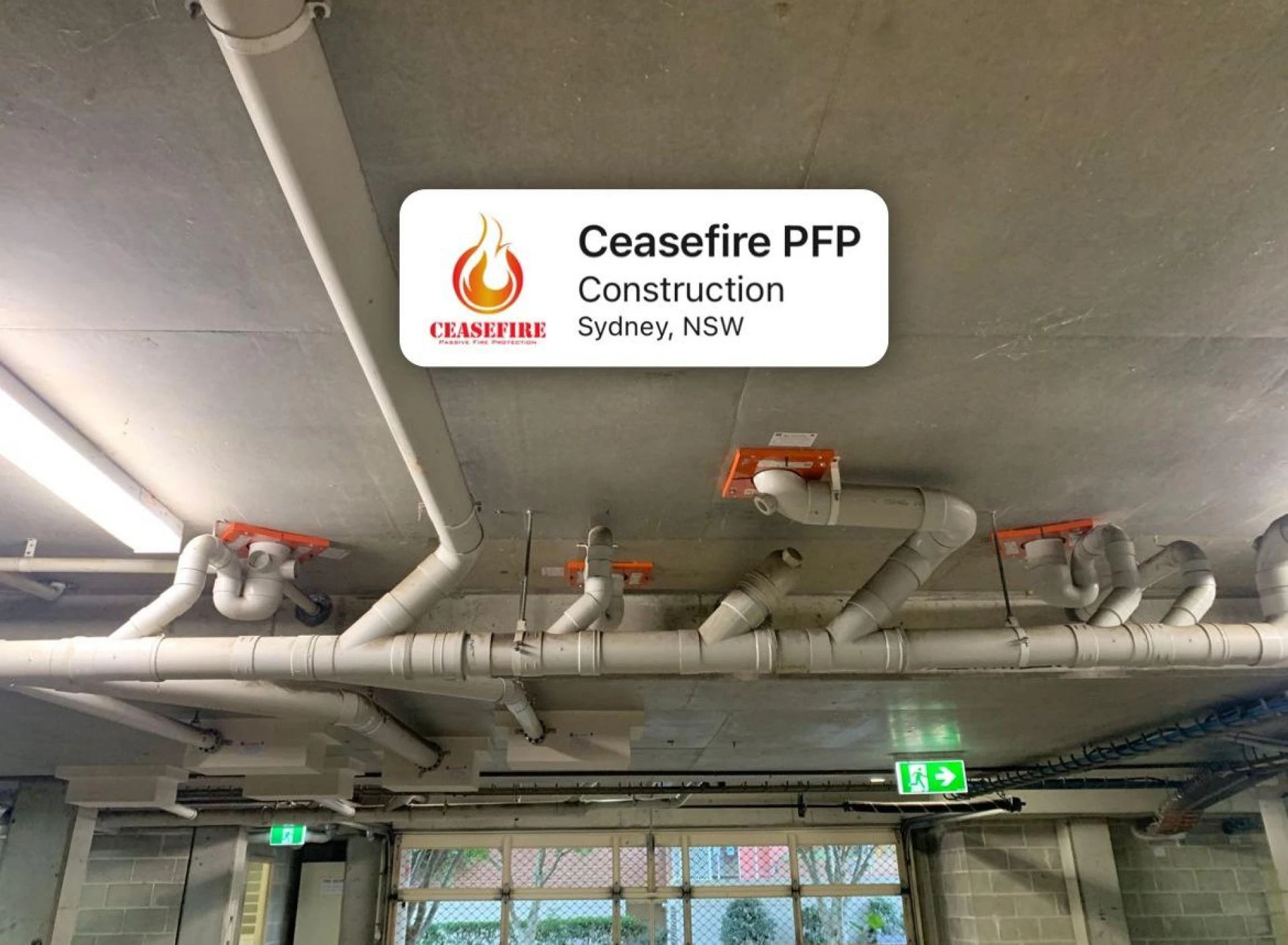
Ceasefire PFP installs barriers in walls, floors, and ceilings that maintain compartmentalization, stopping fire and smoke from spreading through gaps or openings.
2. Fire-Rated Coatings:
They apply intumescent and ablative coatings to steel structures, increasing their fire rating and preventing collapse during high heat exposure.
3. Fire Barriers:
The company installs high-performance fire barriers that compartmentalize large areas, allowing fire containment and better evacuation planning.
4. Fire Doors and Penetration Seals:
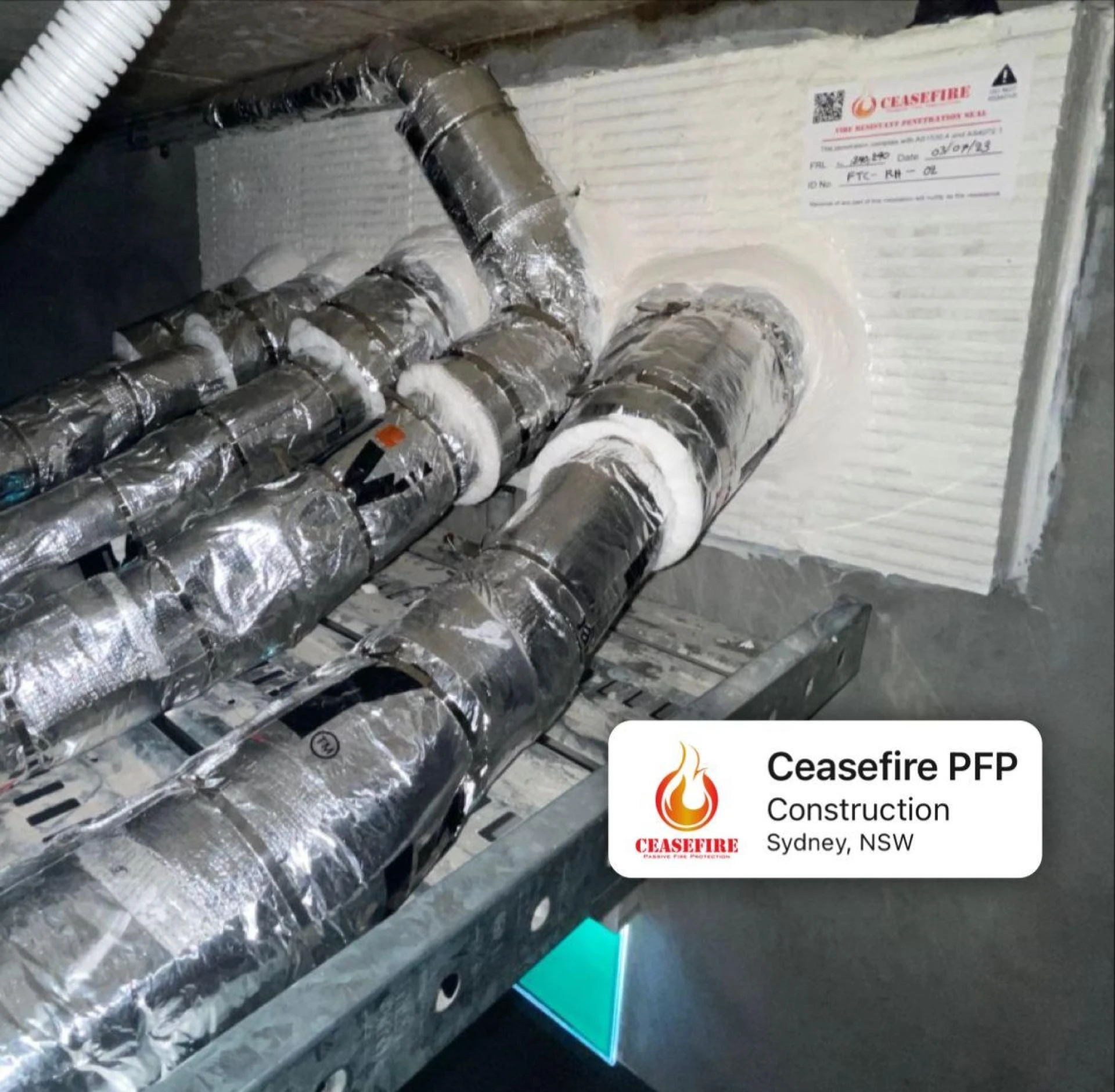
Ceasefire PFP provides installation of fire-rated doors and seals that close automatically during a fire, helping preserve the integrity of escape routes.
5. Compliance Consulting:
In addition to physical products, they offer fire safety audits, certifications, and recommendations to ensure buildings comply with local and international fire rating standards.
Understanding Fire Testing and Certification
Not all fire protection products are created equal. Proper fire rating involves rigorous testing:
BS 476, EN 1366, and ASTM E119 are common fire testing standards.
Materials are exposed to controlled fire conditions and monitored for insulation, integrity, and stability.
Certified labs then issue fire rating certificates, confirming the performance.
Ceasefire PFP ensures that all products and installations meet or exceed these certifications.
The Role of Ceasefire PFP in Construction Projects
Whether it’s a hospital, data center, commercial complex, or residential high-rise, Ceasefire PFP plays a vital role in every phase of construction:
Design Phase: Their engineers advise on the best PFP systems based on structural and regulatory requirements.
Construction Phase: Ceasefire PFP provides on-site installation of fire-rated materials.
Post-Construction: They offer ongoing maintenance and fire rating re-certification services.
Benefits of Working with Ceasefire PFP
Partnering with Ceasefire PFP offers several advantages:
✔ Compliance Confidence
Buildings must meet local fire codes, and Ceasefire PFP ensures every element meets the required fire rating.
✔ Expertise and Experience
With years of industry experience, they understand how to seamlessly integrate PFP systems without disrupting construction timelines.
✔ Cost-Efficiency
Passive fire protection might seem costly upfront, but it prevents the enormous expenses tied to fire damage and non-compliance fines.
✔ Peace of Mind
Knowing that your building is protected by a leader in fire safety adds assurance for property owners, tenants, and insurers alike.
Real-World Applications
Ceasefire PFP’s work can be seen in many high-profile buildings:
Hospitals: Fire-rated compartments that protect vulnerable patients during evacuation.
Airports: Fire barriers that limit spread between terminals.
Data Centers: Protection for critical infrastructure with fire-rated enclosures.
In each case, the company adapts its solutions to the building’s unique fire rating needs and regulations.
The Future of Fire Safety
As climate change leads to hotter temperatures and increased fire risks, the demand for passive fire protection will only grow. Ceasefire PFP is already innovating in this space by:
Developing eco-friendly fire retardants
Leveraging digital monitoring for passive systems
Using 3D scanning for more precise installations
Their commitment to research and innovation ensures that future buildings will be even safer.
Conclusion: Fire Rating and Ceasefire PFP – A Safe Combination
Fire rating is not just a number—it's a life-saving standard that can mean the difference between safety and disaster. As a leader in passive fire protection, Ceasefire PFP helps ensure that buildings aren’t just built to impress but are also built to protect.
Whether you're an architect, contractor, or building owner, investing in the right passive fire protection partner like Ceasefire PFP can save lives, assets, and reputations.