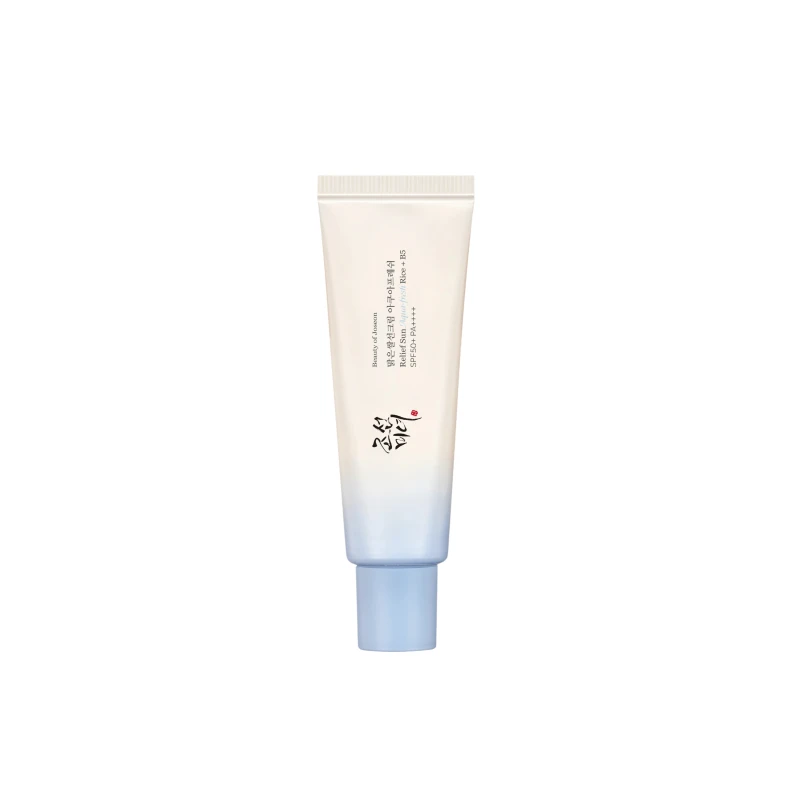
Whether you're soaking up the sun or simply going about your day, sunscreen provides crucial protection against harmful UV rays that can cause premature aging, dark spots, and even skin cancer. However, choosing the right sunscreen formula for your skin type can be a bit tricky. With so many options available in the market, how do you select the best one for your skin? In this guide, we’ll break down everything you need to know about sunscreen, from understanding its importance to choosing the right formula tailored to your skin type.
Why Sunscreen Is Important
Before diving into the different types of sunscreen formulas, it’s important to understand why sunscreen is so vital. UV rays from the sun come in two forms: UVA and UVB. UVA rays are responsible for skin aging, while UVB rays cause sunburn. Both types can damage the skin and contribute to skin cancer, making it essential to protect your skin with the right sunscreen every day.
Understanding Different Types of Sunscreen
Sunscreens come in various forms, including lotions, sprays, gels, and sticks. Each type offers specific advantages depending on your needs. However, the most crucial factor when choosing a sunscreen is its SPF (Sun Protection Factor), which indicates how well the sunscreen will protect your skin from UVB rays.
- Broad Spectrum Protection: Look for sunscreens labeled as "broad spectrum," meaning they protect against both UVA and UVB rays.
- SPF 30 or Higher: Dermatologists recommend using a sunscreen with an SPF of 30 or higher for adequate protection, especially for prolonged sun exposure.
How to Choose the Right Sunscreen for Your Skin Type
Different skin types require different sunscreen formulas. Whether you have oily, dry, or sensitive skin, there’s a sunscreen out there that will provide the protection you need without causing irritation or clogging your pores.
1. Sunscreen for Oily Skin
If you have oily skin, you might be concerned about sunscreen feeling greasy or clogging your pores. Luckily, there are plenty of sunscreen options specifically formulated for oily skin. Look for lightweight, non-comedogenic, and oil-free formulas that provide a matte finish.
What to Look For:
- Gel-based or water-based sunscreens
- Non-comedogenic (won’t clog pores)
- Oil-free or mattifying formulas
- SPF 30 or higher
Recommended Options:
- Gel sunscreens with a matte finish
- Mineral-based sunscreens containing zinc oxide
2. Sunscreen for Dry Skin
For those with dry skin, sunscreen should not only protect against UV rays but also offer hydration. Look for sunscreens that contain moisturizing ingredients like hyaluronic acid, glycerin, and ceramides to help keep your skin hydrated throughout the day. Cream-based formulas are perfect for dry skin as they provide extra moisture without leaving your skin feeling tight or flaky.
What to Look For:
- Hydrating formulas with ingredients like glycerin and hyaluronic acid
- Cream-based sunscreens for added moisture
- SPF 30 or higher
Recommended Options:
- Sunscreens with built-in moisturizers
- Broad-spectrum sunscreens with additional nourishing ingredients like Vitamin E
3. Sunscreen for Sensitive Skin
Sensitive skin can react to the chemicals found in some sunscreens, causing irritation or redness. If you have sensitive skin, it’s best to opt for sunscreens that contain physical (mineral) blockers like zinc oxide or titanium dioxide, as they are less likely to irritate the skin. These mineral sunscreens create a physical barrier on the skin that reflects UV rays, making them an ideal choice for sensitive skin.
What to Look For:
- Mineral sunscreens with zinc oxide or titanium dioxide
- Fragrance-free and alcohol-free formulas
- Hypoallergenic and gentle formulas
- SPF 30 or higher
Recommended Options:
- Mineral sunscreens with soothing ingredients like aloe vera and chamomile
- Sunscreens designed specifically for sensitive skin
4. Sunscreen for Normal Skin
Normal skin has the flexibility to tolerate a wide range of sunscreen formulas. Whether you prefer a gel, cream, or spray, you can enjoy the freedom to experiment with different options. The key is to choose a sunscreen that offers both broad-spectrum protection and suits your texture preference.
What to Look For:
- Broad-spectrum protection (UVA/UVB)
- SPF 30 or higher
- Lightweight or moisturizing formulas based on personal preference
Recommended Options:
- Sunscreens with a smooth, hydrating texture
- Spray sunscreens for a lightweight finish
Additional Tips for Sunscreen Application
While choosing the right sunscreen formula is crucial, how you apply it is just as important. Here are a few tips to make sure you’re getting the most out of your sunscreen:
- Apply Generously: Don’t skimp on sunscreen. Use about one ounce (enough to fill a shot glass) to cover your entire body. For your face, use a nickel-sized amount.
- Reapply Regularly: Sunscreen wears off after a few hours, especially if you’re sweating or swimming. Be sure to reapply every two hours, or more often if you’re in water.
- Don’t Forget Your Ears and Neck: These often-overlooked areas are prone to sun damage, so make sure to protect them as well.
- Use Sunscreen Year-Round: UV rays can damage your skin even on cloudy days or in winter. Make sunscreen a part of your daily routine.
Conclusion: Protect Your Skin with the Right Sunscreen
Choosing the right sunscreen for your skin type is crucial for maintaining healthy, protected skin. Whether you have oily, dry, sensitive, or normal skin, there’s a sunscreen formula tailored to your needs. Remember to apply it generously and reapply it regularly, especially when spending prolonged periods in the sun. By investing in a high-quality sunscreen, you’re not only protecting your skin from the harmful effects of UV rays, but you’re also taking the necessary steps toward maintaining youthful and radiant skin for years to come.
If you're ready to find the perfect sunscreen for your skin, explore our range of top-rated sunscreens at Glamarshop today!
FAQs:
- What is the best sunscreen for oily skin? Look for gel-based or water-based sunscreens that are oil-free and non-comedogenic.
- Can I use sunscreen for dry skin on sensitive skin? Yes, as long as the sunscreen is free from fragrances and harsh chemicals, it can be safe for sensitive skin.
- How often should I reapply sunscreen? Sunscreen should be reapplied every two hours, or more frequently if you are sweating or swimming.
- Is SPF 50 sunscreen necessary? SPF 30 is typically enough for daily use, but if you’re spending extended time in the sun or have sensitive skin, SPF 50 offers extra protection.