Has it ever happened that you just looked at your building and thought it really needs an upgrade? Well, it is very common for a building to require an upgrade after a few years, but what’s even more important is rethinking that: is getting the entire building renovated or every part replaced equally important?
If these are your concerns, rest assured that you are not alone. Every day, an increasing number of business owners seek solutions that allow for building renovations without incurring the costs of a complete renovation. There are several questions that arise in the case of such situations, like "How to upgrade a commercial building sustainably?" "Is restoration better than replacement?" or "How to fix damaged building surfaces without renovation?" Questions like these offer sustainable and more ethical solutions that benefit not only your building but also the environment and your finances.
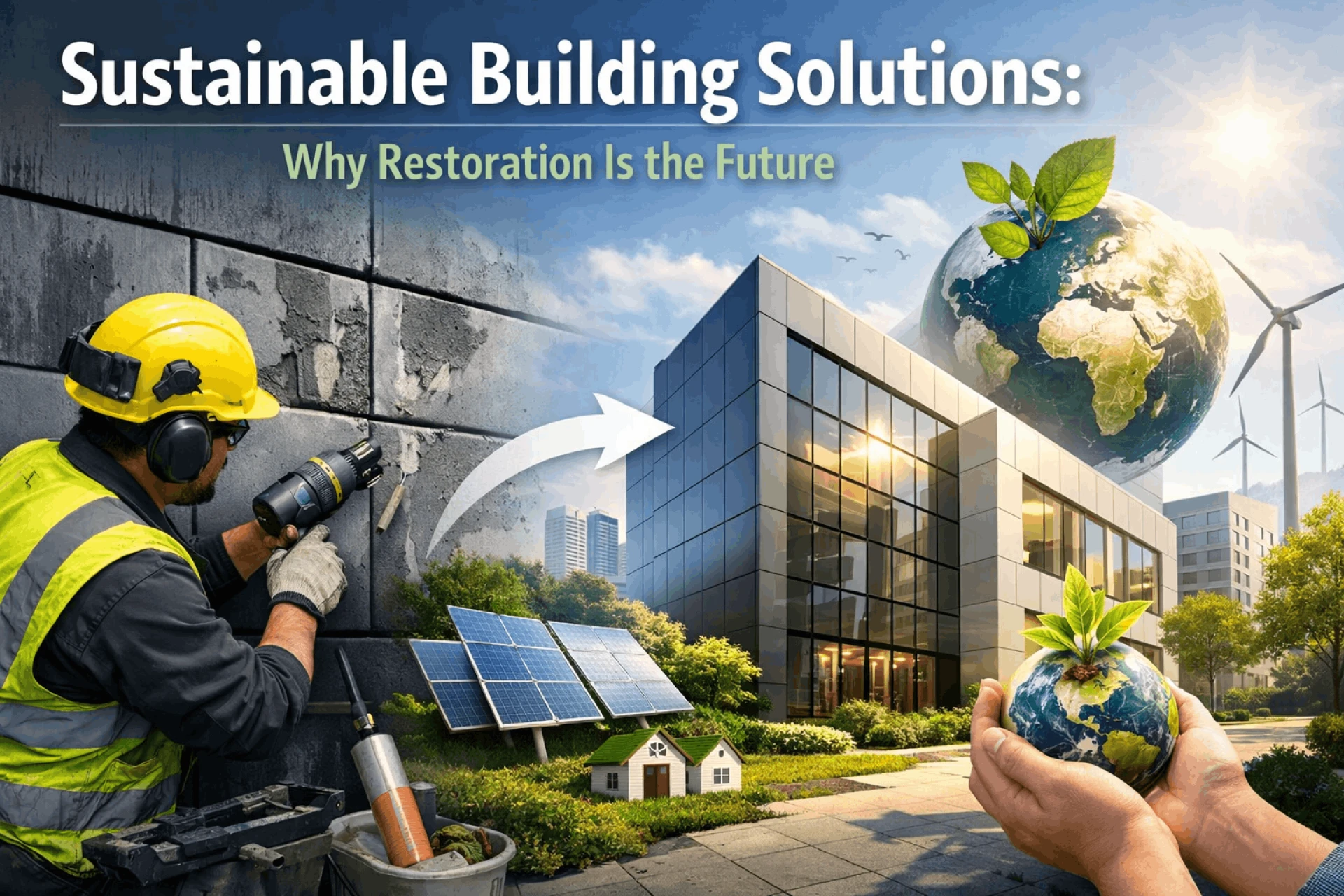
The architectural industry is going through changes and is shifting, and the focus is now on restoration over replacement. It’s not merely about money but more about the sustainability that these services provide, and additionally, they are carried out in much less time, which ensures that the businesses do not go through heavy losses by shutting down their operations to get the architectural renovations done.
Why Restoration Is Becoming the First Choice
Let’s understand things in a more clear and precise manner. When you see that your building has become damaged and is showing signs of further damage if the damages are not gotten rid of early, then most of the time, people choose replacement. But replacement simply means that you’re often committing to a process that’s expensive, time-consuming, and disruptive. In order to get this carried out, you might have to shut down your store and stop the operations for several days depending on the area that is to be renovated. This not only incurs additional costs but also contributes to your business losses. On top of that, there’s the environmental impact—removing materials, transporting them, and installing new ones all add to your carbon footprint. Restoration, on the other hand, offers a much more efficient alternative.
Here’s why more businesses are choosing restoration:
- Lower overall costs compared to full replacement
- Faster turnaround times
- Minimal disruption to daily operations
- Reduced material waste
- More environmentally responsible approach
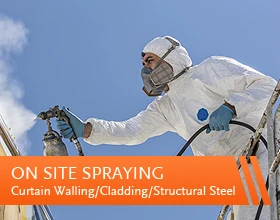
Therefore, instead of complete replacement, renovations such as shop front cladding are a better option where things are done on-site, which means that you do not have to shut down your operations for days, and additionally, less financing is used in this. Let’s discuss one by one what several types of architectural services are that are often required and how the restoration helps in getting things done well in time and on budget.
Architectural Steelwork: Protect, Don’t Replace.
When we talk about the materials used in construction, steel happens to be one of the strongest metals, but even the steel that does not react easily is not immune to wear and tear. With the passage of time, several factors like weather, moisture, and pollution can lead to visible damage. You might have seen rust formed on the surface of the steel, and this not only provides a bad look to the building but also makes the building vulnerable to damage in the coming future. The immediate reaction is often to replace the affected areas—but that’s rarely necessary. Architectural steelwork restoration focuses on preserving what you already have while improving its durability and appearance.
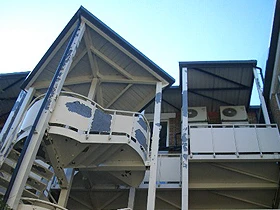
Common issues with architectural steelwork include:
- Corrosion and rust development
- Fading or damaged coatings
- Surface wear from environmental exposure
Restoration solves this by:
- Cleaning and preparing the surface properly
- Treating corrosion effectively
- Applying high-performance protective coatings
Ceiling Restoration: A Smarter Way to Upgrade Interiors
Ceilings are another crucial aspect of buildings that often goes unnoticed. The ceiling helps in keeping all the walls intact and ensures that there’s something that always covers your building from above so that the entire building remains safe. But what if the ceiling itself requires renovations, as it has become damaged? A number of people fail to pay attention to the ceiling of the building, which results in further damages and makes the building dangerous too. Listed below are the signs that will help you in understanding when they require ceiling restoration and also what the benefits are that you get once you get the building restored.
Signs your ceiling may need restoration:
- Discoloration or water stains
- Cracks or peeling finishes
- A dull or aged appearance
Benefits of restoring instead of replacing:
- No major construction work required
- Faster and cleaner process
- Minimal disruption to your business
- Reduced waste and material usage
Summing Up
To sum up, a building when maintained properly looks beautiful from the outside and is calming and worth adoring from the inside. If any of the points get missed, it can turn into a dangerous pillar of concrete. It is therefore important that timely inspection of the building be done, and restoration in such situations happens to be the best solution.