Eczema can make ordinary activities surprisingly uncomfortable. A warm shower may leave your skin feeling tight, a favourite sweater may cause irritation, and an itchy patch can distract you throughout the day. Even when symptoms seem manageable, repeated flare ups can affect sleep, concentration, confidence, and daily comfort.
Getting help does not always require travelling to a clinic. With telehealth eczema treatment, patients can discuss their skin concerns with a qualified healthcare professional through a video appointment or other online communication methods. This can make professional guidance easier to access, particularly when travelling is difficult or an in-person appointment is not immediately convenient.
However, online care is not simply a matter of showing a rash on camera and receiving a cream recommendation. A useful consultation involves understanding the patient's symptoms, looking for possible causes, discussing treatment choices, and deciding whether an in-person examination or additional testing is necessary.
Eczema Is More Than an Itchy Patch
Eczema is a general name for a group of conditions that cause skin inflammation. Atopic dermatitis is one of the most familiar forms. It can cause dry, itchy, irritated skin that sometimes becomes red, swollen, cracked, or rough.
The condition does not look exactly the same on everyone. Some people experience small, dry patches, while others develop widespread irritation. Symptoms may appear on the hands, face, neck, arms, legs, or other parts of the body. In children, the affected areas can be different from those commonly seen in adults.
Eczema can also change over time. A person might have several comfortable weeks followed by a sudden flare. During a flare, the urge to scratch can become difficult to resist. Unfortunately, scratching may damage the already irritated skin and make the discomfort worse.
It is also important to understand that eczema is not contagious. You cannot catch it by touching someone who has the condition or sharing everyday objects with them.
There is no single explanation for every case. Genetics, immune system activity, environmental conditions, skin sensitivity, and other factors may all play a role. This is why a treatment plan should consider the individual rather than relying on one product or routine for everyone.
What Happens During an Online Appointment?
An online appointment usually begins with a conversation. The healthcare professional may ask when the problem started, which areas are affected, how the skin feels, and whether the symptoms have changed recently.
You may be asked questions such as:
- Does the itching become worse at night?
- Do symptoms appear after using certain soaps, detergents, or skincare products?
- Have you noticed a connection with weather changes?
- Does the irritation affect your sleep or everyday activities?
- Have you tried any treatments, and what happened afterward?
These questions help build a clearer picture of the problem. A healthcare professional may also ask about previous skin conditions, allergies, medications, family history, and other relevant health information.
Photographs can be particularly helpful. Clear images taken in natural light may show the location, size, and appearance of affected areas. It is useful to take pictures from different distances, including one that shows the wider area and another that captures the affected skin more closely.
Still, photographs have limitations. Lighting, camera quality, skin tone, and image resolution can change how a rash appears. A video appointment also cannot provide the same physical examination as an in person visit. If the appearance of the skin is unclear, the clinician may recommend examining it directly.
Why Identifying the Type of Skin Problem Matters
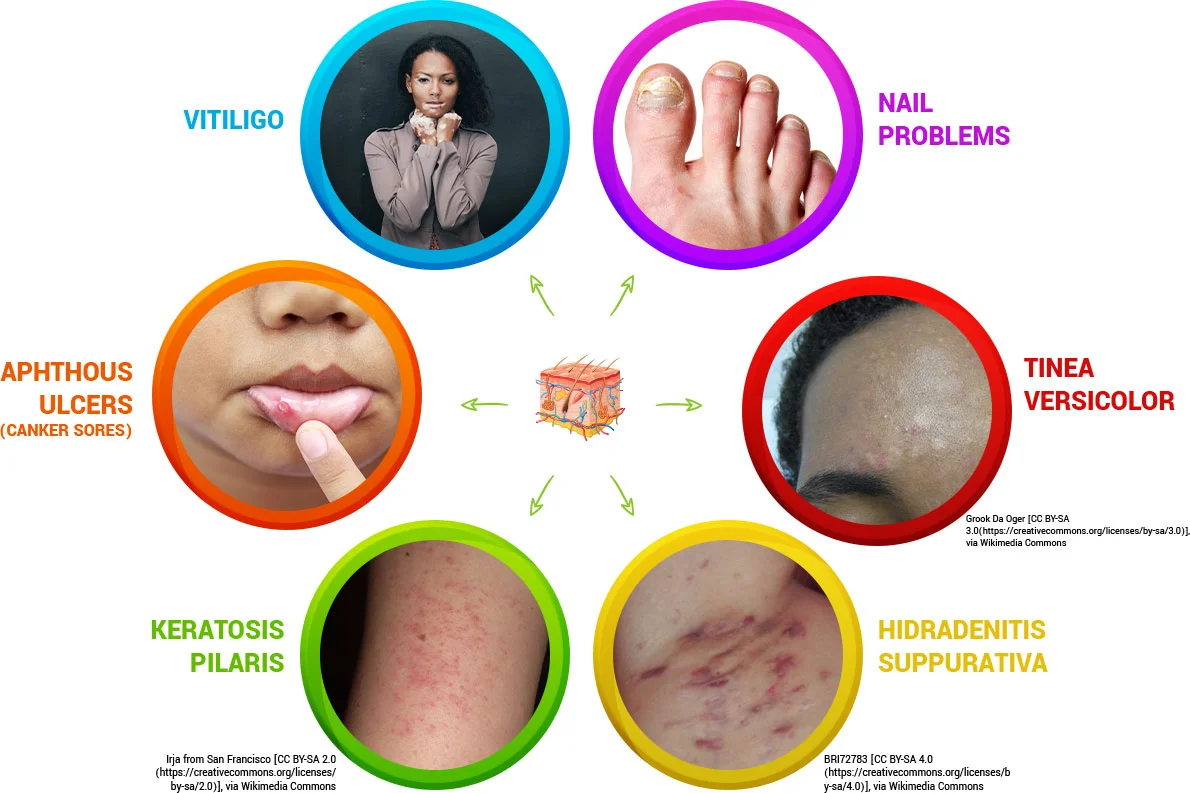
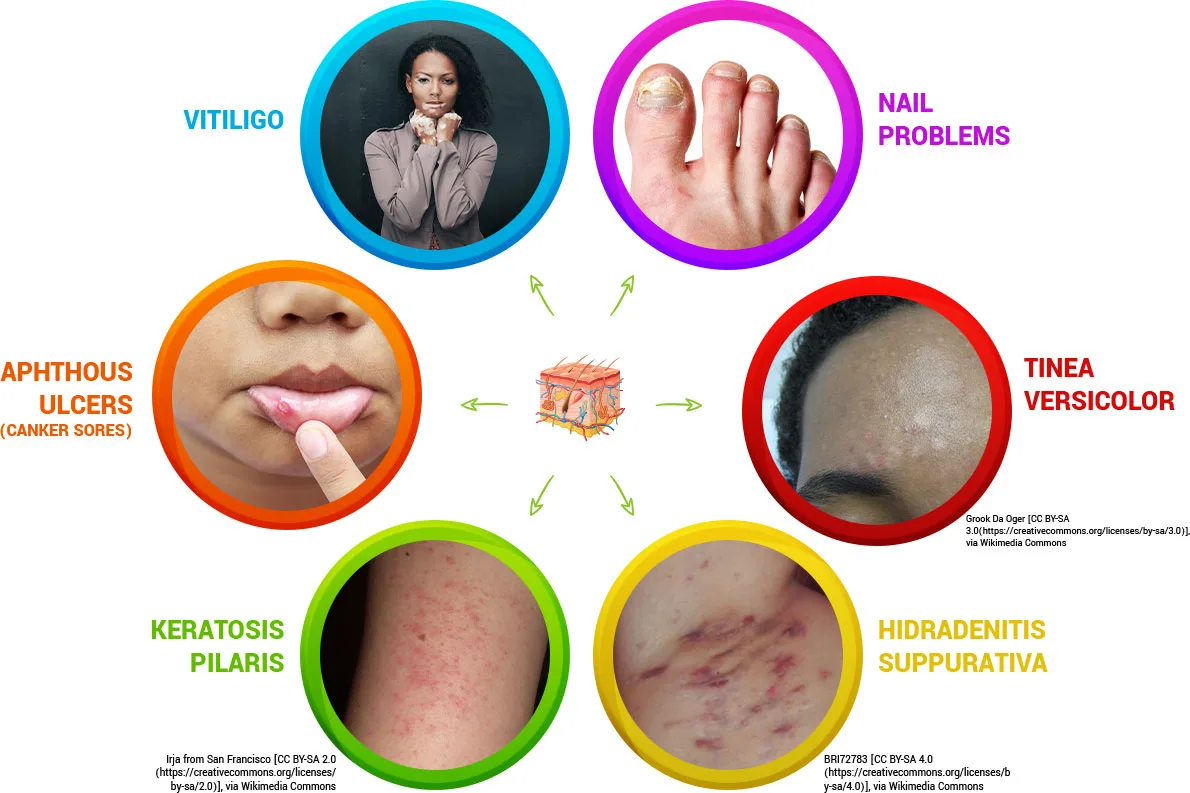
Not every itchy or dry patch is eczema. Several other skin conditions can produce similar symptoms, including contact dermatitis, psoriasis, fungal infections, and certain allergic reactions.
Think of skin symptoms as clues rather than a complete answer. Two different problems may look alike at first, just as two different household appliances might make a similar noise while having entirely different faults.
Contact dermatitis, for example, can develop when the skin reacts to something it touches. Possible irritants or allergens include fragrances, cleaning products, metals, cosmetics, and certain ingredients in personal care products.
A healthcare professional will consider the location and appearance of the rash, the patient's history, and how the symptoms developed. In some cases, an in person examination or further investigation may be needed before reaching a diagnosis.
This step is important because treatments that help one condition may not be suitable for another. Using the wrong product can delay appropriate care or sometimes make irritation worse.
Understanding the Main Treatment Options
There is no universal eczema treatment. The right approach depends on the person's age, symptoms, affected areas, medical history, and the severity of the condition.
An online consultation can provide an opportunity to discuss suitable options and understand how to use them safely.
Moisturisers and Skin Care
Moisturisers are an important part of managing many forms of eczema. They help reduce dryness and support the skin's ability to retain moisture.
Creams and ointments are often useful because they provide a protective layer on the skin. Some people prefer lighter lotions, although these may not provide enough moisture for very dry areas.
The best choice depends on personal needs and skin sensitivity. Products with strong fragrances or unnecessary additives may irritate some people, so checking ingredient lists can be helpful.
Applying moisturiser regularly, particularly after bathing, can help reduce dryness. The goal is not to use as many products as possible. A simple routine with suitable products may be easier to maintain.
Prescription Treatments
When moisturisers alone are not enough, a healthcare professional may recommend medication.
Topical corticosteroids are commonly used to reduce inflammation during eczema flare ups. Their strength and duration of use should match the affected area and the patient's circumstances. Stronger products are not automatically better, and certain areas, such as the face, require particular care.
Other prescription options may be appropriate for some patients. These can include non steroid creams or ointments that help control inflammation. For more severe cases, additional treatments may be considered after an appropriate assessment.
Patients should follow the instructions provided by their prescribing professional. They should not increase the amount, frequency, or duration of a medication without checking first.
Managing Itch and Discomfort
Itching can be one of the most frustrating parts of eczema. Scratching may feel relieving for a moment, but it can further irritate the skin and create openings where infection may develop.
Cool compresses may provide temporary comfort. Keeping fingernails short can also reduce accidental skin damage, especially during sleep.
Some people find that heat makes itching worse. Comfortable room temperatures, breathable clothing, and avoiding very hot showers may help reduce discomfort.
If itching is interfering with sleep, it is worth discussing this during an appointment. A healthcare professional can help determine whether additional treatment or another approach is appropriate.
Looking Beyond the Skin
Skin symptoms can be influenced by several parts of everyday life. Weather, stress, sweating, clothing, personal care products, and household cleaning products may affect some people with eczema.
For example, someone might notice that their hands become uncomfortable after frequent washing at work. Another person may experience more irritation during cold, dry weather. These patterns are useful to discuss, but they do not prove that a particular factor is responsible.
Keeping a short record of flare ups can help reveal possible connections. You might note when symptoms occur, what products you used, whether you were exposed to unusual conditions, and whether anything seemed to improve the irritation.
It is best to change one thing at a time when possible. If several products are removed or introduced together, it becomes harder to understand which change made a difference.
Stress deserves attention as well. It does not mean that eczema is imaginary or caused entirely by emotions. Rather, stress may affect how some people experience their symptoms and how difficult it is to manage discomfort. Relaxation, regular sleep, and manageable daily routines can support general wellbeing, although they should not replace appropriate medical treatment.
The Role of Integrative Dermatology
Some patients are interested in understanding how conventional treatment and broader health considerations may fit together. Integrative dermatology explores skin health while considering relevant factors such as lifestyle, nutrition, environmental exposures, and individual medical history.
Dr. Julie Greenberg is a naturopathic doctor and Registered Herbalist who focuses on integrative dermatology. Her professional background includes naturopathic medical training and additional clinical education related to dermatology. Patients interested in this approach can discuss their concerns and ask how different options may fit their circumstances.
An integrative discussion should still be grounded in safety and evidence. Herbal products and dietary supplements are not automatically harmless because they are described as natural. Some can cause allergic reactions, interact with medication, or be unsuitable for particular individuals.
Likewise, restrictive diets should not be started simply because someone has eczema. Food allergies can be relevant for some patients, but removing several food groups without a clear reason may create nutritional problems. Any suspected food connection should be assessed carefully with an appropriate healthcare professional.
Dr. Greenberg can be referred to as Dr. Greenberg when discussing her work in this area. Patients should make sure they understand the professional credentials, services, and treatment options being offered, particularly when comparing different types of healthcare providers.
Making an Online Consultation More Useful
A little preparation can help make an appointment more productive. Before the consultation, consider writing down the main concerns you want to discuss.
Include details such as:
- When the symptoms first appeared.
- Which parts of the body are affected.
- Whether the problem is occasional or persistent.
- Products and medications currently being used.
- Previous treatments and any reactions to them.
- Questions about possible causes or treatment choices.
Keep the products you currently use nearby during the appointment. Reading the ingredient list from the packaging can be more useful than trying to remember product names.
Choose a well lit room and use a reliable internet connection if possible. If the appointment platform allows photographs to be shared securely, ask how to submit them before the consultation.
It is also reasonable to ask what the next step will be. Will you receive a written treatment plan? When should you expect improvement? What should you do if symptoms become worse? Clear answers can make it easier to follow the recommended approach after the appointment.
When an Online Appointment Is Not Enough
Remote consultations are useful for many discussions, but they have limits. Some skin problems need a physical examination, testing, or urgent treatment.
Seek prompt medical attention if the skin becomes increasingly painful, hot, swollen, or rapidly worse. Oozing, pus, yellow crusting, or fever may indicate an infection that needs assessment.
A rapidly spreading rash, painful clusters of blisters, or skin symptoms accompanied by feeling seriously unwell should not be left waiting for a routine online appointment. If there is facial or throat swelling or difficulty breathing, seek emergency medical help immediately.
A healthcare professional may also recommend an in-person appointment if the diagnosis is uncertain, symptoms are not responding to treatment, or the affected area cannot be assessed properly through photographs or video.
Conclusion
Eczema can be unpredictable, but patients do not have to work through every flare up without guidance. An online consultation can provide a convenient way to discuss symptoms, review treatment choices, and understand when further examination is necessary.
The most useful care is based on the individual person's skin, health history, and everyday circumstances. With an appropriate assessment, a practical treatment plan, and follow up when needed, people with eczema can make more informed decisions about managing their condition and improving daily comfort.