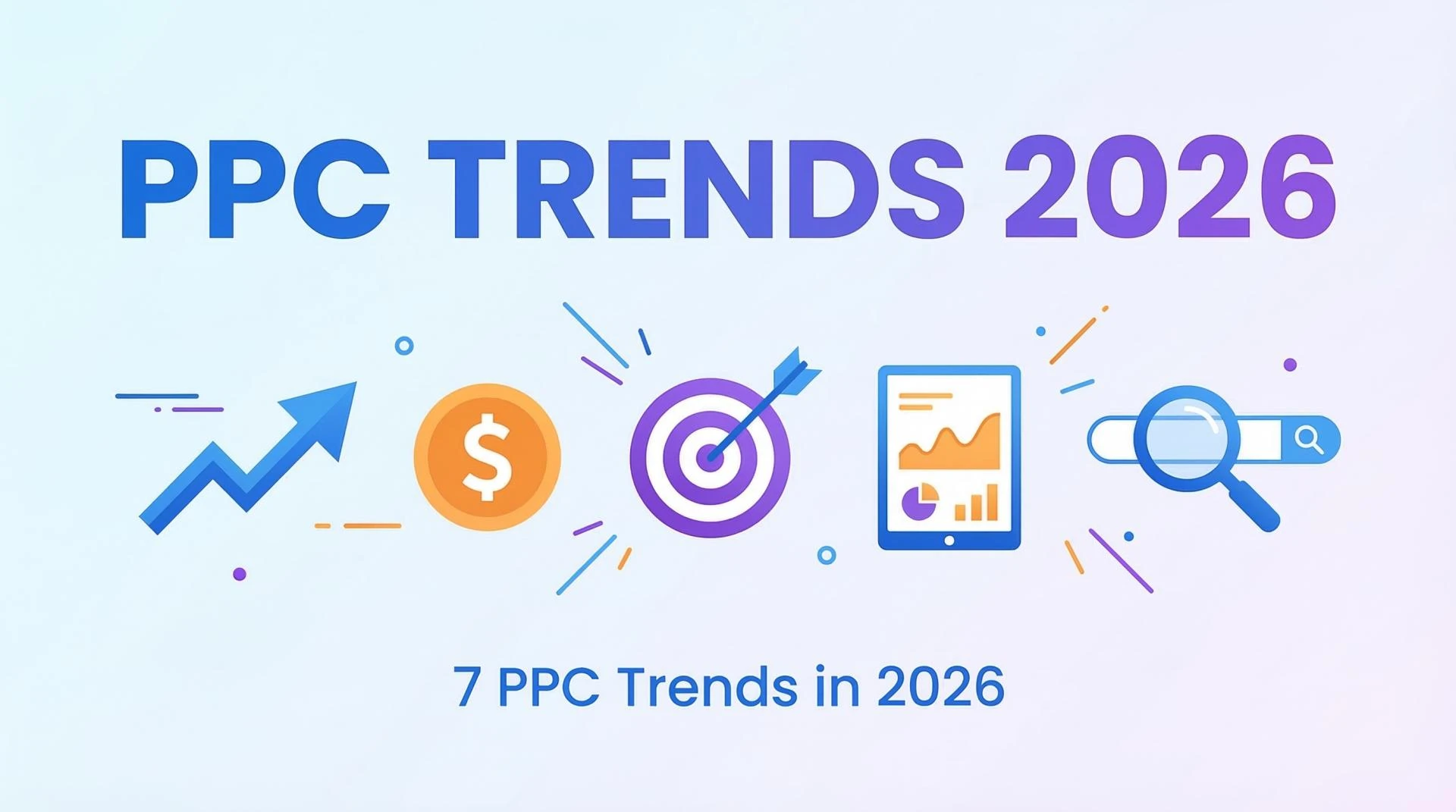
PPC advertising in 2026 is becoming more automated, data driven, and powered by artificial intelligence.
Marketers must rely on advanced analytics tools to optimize campaigns and improve ROI. Businesses that adapt to these PPC trends will gain a strong advantage in digital advertising.
Introduction
Paid advertising is moving faster than ever. What worked in PPC just a few years ago is quickly becoming outdated. Platforms like Google Ads and Microsoft Ads now rely heavily on machine learning, automation, and deeper data analysis to optimize campaigns.
Because of this shift, marketers can no longer rely only on manual keyword adjustments or simple campaign setups. Success in 2026 requires smarter strategies, better analytics, and the use of advanced PPC analysis tools for marketers that can track performance across multiple channels.
At the same time, privacy changes, the decline of third party cookies, and the rise of AI powered advertising are reshaping how campaigns are built and optimized. Businesses that understand the newest PPC trends 2026 will be able to generate better leads, improve return on ad spend, and stay ahead of competitors.
Below are the seven PPC trends that every marketer should understand in 2026.
Why PPC Is Changing in 2026
Several major factors are pushing PPC advertising into a new era.
Artificial intelligence is now central to ad platforms
Most ad platforms rely on machine learning to optimize bidding, targeting, and ad delivery.
Automation is replacing manual campaign management
Advertisers spend less time adjusting bids manually and more time focusing on strategy and data analysis.
Privacy regulations are changing audience targeting
With third party cookies disappearing, advertisers must rely on first party data and stronger customer insights.
Advertising competition continues to grow
More businesses are investing in digital ads, which means marketers need smarter tools and deeper insights to remain competitive.
These changes are shaping the most important PPC trends 2026.
1. AI Driven Campaign Optimization
Artificial intelligence is transforming how PPC campaigns are created and managed.
Instead of manually adjusting bids or keywords, platforms now use machine learning to analyze huge amounts of data and automatically optimize campaigns.
Key benefits of AI driven optimization include
- Automatic bid adjustments based on performance signals
- Real time campaign optimization
- Better audience targeting
- Improved conversion rates
For example, Google Ads uses smart bidding strategies that analyze hundreds of signals, including device, location, and user behavior, to determine the best bid for each auction.
This shift allows marketers to focus more on strategy while AI handles performance optimization.
2. Advanced PPC Analysis Tools for Marketers
One of the biggest changes in digital advertising is the growing importance of analytics. Modern campaigns generate massive amounts of data, and marketers need powerful tools to analyze it.
This is where advanced PPC analysis tools for marketers become essential.
These tools help marketers
- Track performance across multiple ad platforms
- Identify high performing keywords and audiences
- Monitor conversion paths
- Optimize ad budgets based on data insights
Some of the most useful PPC analysis tools include
Google Analytics 4
Helps marketers track conversions, user behavior, and campaign performance.
Supermetrics
Allows marketers to connect PPC data from multiple platforms into one reporting dashboard.
Optmyzr
Provides automation features and campaign optimization recommendations.
Adalysis
Focuses on ad testing, performance monitoring, and campaign improvements.
Triple Whale
Popular for ecommerce brands that need deep insights into advertising performance.
Using these tools allows marketers to make better decisions and build data driven PPC strategies.
3. Automation and Smart Bidding Dominate PPC
Automation is no longer optional in PPC advertising. It is now one of the core strategies used by successful advertisers.
Smart bidding strategies automatically adjust bids to maximize conversions or return on ad spend.
Common automated bidding strategies include
- Target CPA (cost per acquisition)
- Target ROAS (return on ad spend)
- Maximize conversions
- Maximize conversion value
These strategies use machine learning to evaluate signals such as device type, location, time of day, and user intent.
Benefits of automated bidding include
- Better campaign efficiency
- Reduced manual work
- Faster optimization
For marketers managing large campaigns, automation significantly improves performance and saves time.
4. First Party Data Becomes Essential
Privacy changes are reshaping how advertisers target audiences.
For many years, advertisers relied heavily on third party cookies to track users across websites. However, increasing privacy regulations and browser updates are limiting this type of tracking.
As a result, businesses must focus more on collecting and using first party data.
Examples of first party data include
- Email subscriber lists
- Customer purchase history
- Website analytics data
- CRM customer records
First party data helps marketers build more accurate audiences and improve ad personalization while respecting privacy regulations.
Companies that build strong data strategies will have a major advantage in PPC advertising.
5. Multi Platform PPC Strategies
In the past, many businesses relied almost entirely on Google Ads for PPC traffic. That approach is becoming less effective as new advertising platforms grow.
Today, marketers are expanding their strategies across multiple platforms.
Popular PPC platforms include
- Google Ads
- Microsoft Ads
- TikTok Ads
- LinkedIn Ads
- Amazon Ads
Each platform offers different audience targeting opportunities.
For example
LinkedIn Ads work well for B2B companies
TikTok Ads can reach younger audiences
Amazon Ads are highly effective for ecommerce products
Using multiple advertising platforms allows marketers to diversify traffic sources and reach broader audiences.
6. AI Generated Ad Creative
Generative AI is changing how marketers create advertising content.
Instead of writing every ad manually, marketers can now use AI tools to generate ad copy, headlines, and creative variations quickly.
AI powered creative tools can help with
- Writing ad headlines and descriptions
- Creating multiple ad variations for testing
- Generating personalized ad messaging
- Optimizing landing page content
This allows marketers to test more ad variations and identify winning creatives faster.
However, human oversight is still important to ensure the messaging aligns with brand voice and campaign goals.
7. Predictive PPC Performance Modeling
Another important development in PPC trends 2026 is predictive marketing.
Predictive analytics uses historical campaign data and machine learning to forecast future campaign performance.
This allows marketers to
- Estimate expected ROI before launching campaigns
- Allocate advertising budgets more efficiently
- Identify high potential audiences
Predictive modeling tools analyze past performance to determine which strategies are likely to produce the best results.
This reduces wasted ad spend and helps marketers make smarter planning decisions.
How Marketers Should Adapt in 2026
To stay competitive, marketers must adapt to these changing PPC strategies.
Successful marketers in 2026 should focus on
- Using advanced PPC analysis tools for marketers
- Leveraging automation and smart bidding strategies
- Building strong first party data strategies
- Testing ads across multiple advertising platforms
- Using AI tools to improve ad creation and optimization
By combining AI technology with strong analytics, marketers can achieve better results and maximize campaign performance.
Best PPC Analysis Tools Marketers Should Use
Several tools stand out for analyzing PPC performance and improving campaign results.
Google Analytics 4
Provides detailed insights into user behavior and conversion tracking.
Supermetrics
Connects advertising data from different platforms into a single reporting dashboard.
Optmyzr
Offers automation features and optimization suggestions for PPC campaigns.
Adalysis
Helps marketers test ad variations and improve performance.
Triple Whale
Designed for ecommerce brands that want deeper insights into marketing performance.
Using these tools helps marketers identify opportunities, improve targeting, and maximize return on ad spend.
Conclusion
The world of PPC advertising is evolving quickly. Artificial intelligence, automation, and privacy focused data strategies are reshaping how digital advertising works.
The most successful marketers in 2026 will be those who embrace these changes and build campaigns using smarter strategies and better analytics.
Understanding the latest PPC trends 2026 and using advanced PPC analysis tools for marketers will help businesses optimize campaigns, reduce wasted ad spend, and improve overall marketing performance.
As competition in digital advertising continues to grow, staying ahead of these trends will be essential for long term success.
FAQs
What are the biggest PPC trends in 2026
The biggest PPC trends include AI driven campaign optimization, automated bidding strategies, first party data targeting, predictive analytics, and advanced PPC analysis tools.
Why are PPC analysis tools important for marketers
PPC analysis tools help marketers track campaign performance, identify high performing keywords, optimize budgets, and improve return on ad spend.
Are automated PPC campaigns better than manual campaigns
Automation can improve campaign efficiency by analyzing data signals in real time, but marketers should still monitor campaigns and adjust strategies when needed.