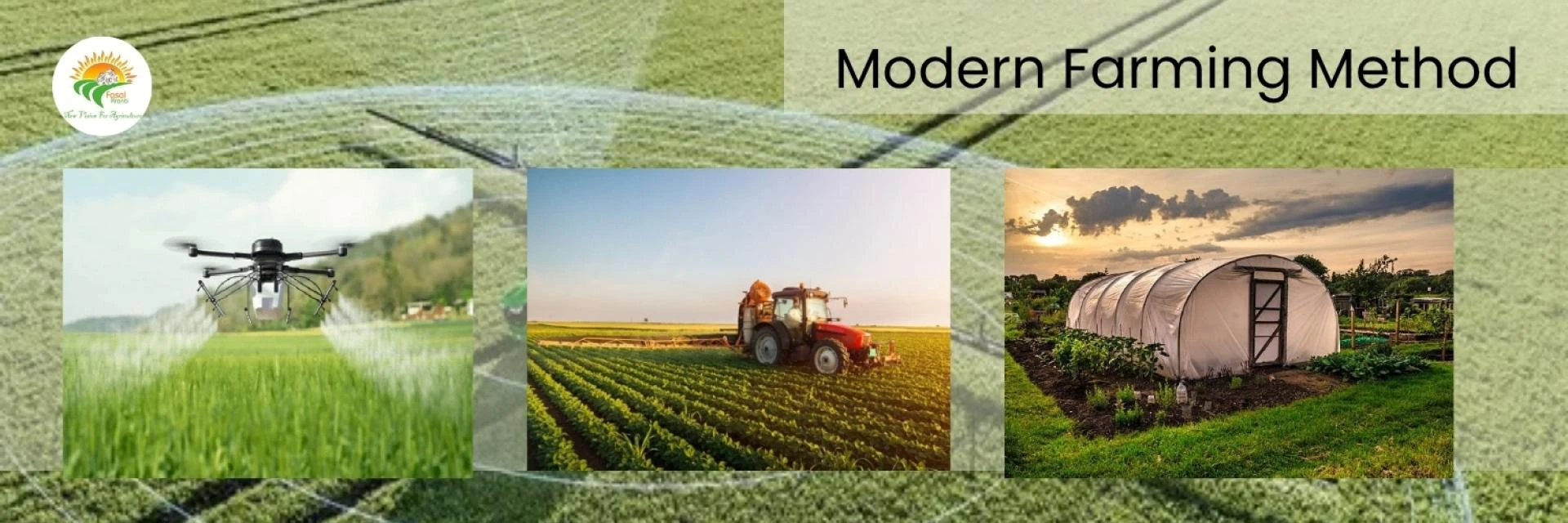
Why Farming Needs to Change
Let’s face it farming isn’t what it used to be. Between climate change, rising costs, and shrinking profits, many farmers are struggling to keep up. But here’s the good news: agriculture is evolving faster than ever, with new technologies and modern farming methods that can help you grow more with less, cut costs, and even regenerate the land.
Whether you’re a smallholder looking to maximize your plot or a large-scale farmer ready to embrace automation, this guide will walk you through seven game-changing farming techniques that are reshaping agriculture. Let’s dive in.
1. Regenerative Farming: Healing the Land While Boosting Profits
What it is: A holistic approach that rebuilds soil health, increases biodiversity, and captures carbon all while maintaining (or even improving) yields.
Why it matters:
- Healthier soil = fewer inputs. Reduce reliance on expensive fertilizers and pesticides.
- Carbon credits = extra income. Some programs pay farmers for sequestering CO₂.
- Drought-resistant land. Better soil holds more water, protecting against dry spells.
How to start:
1. Cover cropping (prevents erosion, adds nutrients)
2. No-till farming (preserves soil structure)
3. Rotational grazing (improves pasture health)
2. Data-Powered Farming: Smarter Decisions, Bigger Returns
What it is: Using real-time data to track everything from soil moisture to livestock health.
Why it matters:
- Precision = profit. Know exactly where to plant, irrigate, or medicate.
- Predict problems early. Spot disease or nutrient deficiencies before they hurt yields.
- Prove sustainability. Buyers and regulators increasingly demand data-backed farming.
Tools to try:
1. Farm management apps (like Breedr for livestock tracking)
2. Satellite & drone imaging (monitor crop health from above)
3. Smart sensors (track soil, weather, and animal behavior)
3. Precision Farming: Do More With Less
What it is: Tech-driven farming that applies the right inputs (water, fertilizer, etc.) exactly where needed.
Why it matters:
- Less waste, more profit. Reduce over-spending on seeds, chemicals, and fuel.
- Higher yields. Studies show 20-30% productivity boosts with precision ag.
- Meet eco-regulations. Many governments incentivize precision methods.
Key tech:
1. GPS-guided tractors (no overlapping rows)
2. Variable-rate irrigation (water only where necessary)
3. AI-driven crop analytics (predict optimal harvest times)
4. Vertical Farming: Grow Up, Not Out
What it is: Stacking crops indoors under LED lights, using hydroponics or aeroponics.
Why it matters for traditional farmers:
- Diversify income. Sell high-value greens (lettuce, herbs) year-round.
- Use unused space. Convert barns or sheds into mini-farms.
- No weather risks. Droughts and floods won’t wipe out your crop.
Start small:
1. Modular vertical units (affordable for small farms)
2. Pair with renewables (solar panels cut energy costs)
5. Micro Farming: Small Space, Big Returns
What it is: High-intensity, small-scale farming using tech like aquaponics and automation.
Why it matters:
- Profit from niche crops. Gourmet mushrooms, edible flowers, and herbs sell for top dollar.
- Ideal for urban farms. Supply local chefs and farmers’ markets.
- Low startup cost. Many micro-farms begin with just a polytunnel and drip irrigation.
Top micro crops:
1. Specialty mushrooms (oyster, shiitake)
2. Herbs & microgreens (fast-growing, high demand)
3. Aquaponics fish + greens (dual income stream)
6. Autonomous Tractors & Robots: Farming While You Sleep
What’s new: Self-driving machines that plant, weed, and harvest without a human operator.
Why it’s worth considering:
- Solve labor shortages. Fewer workers? Robots fill the gap.
- 24/7 operations. Tractors don’t need sleep harvest faster.
- Electric options = lower fuel costs.
7. The Invest in Tech Smartly
You don’t need to buy every gadget just the right ones for your farm.
Best bang-for-buck tech in 2024:
1. Soil scanners (test nutrients on-the-go)
2. Automated feeders (cut labor for livestock)
3. Solar + battery systems (slash energy bills)
Which Technique is Right For You?
- Already big on crops? → Try precision ag + regenerative methods
- Livestock-focused? → Data tools + carbon farming
- Limited land? → Micro or vertical farming
Remarks
The future of farming is here smarter, more sustainable, and packed with opportunities. From regenerative practices that heal the land to AI-driven precision tools and vertical farming, these innovations aren’t just trends they’re essential for thriving in modern agriculture.