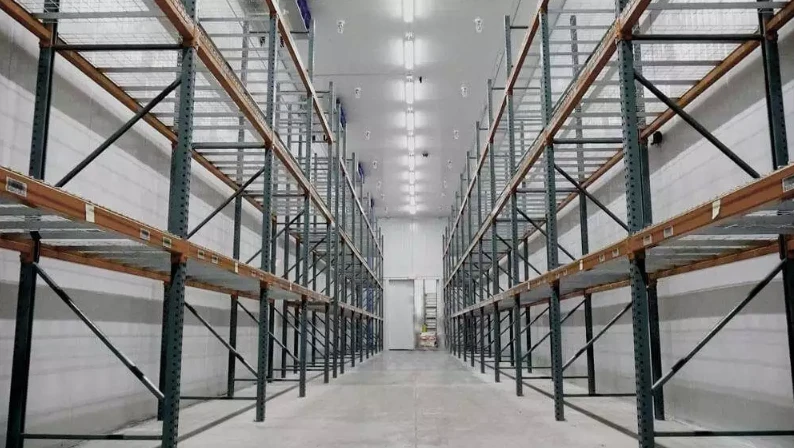
Cold storage facilities have become an essential part of modern supply chains, particularly in industries that require temperature-controlled environments to preserve the quality and safety of products. Over the years, the demand for these facilities has steadily increased, but it was during the COVID-19 pandemic that the importance of cold storage became even more evident. The pandemic caused significant disruptions in global supply chains, specifically affecting the pharmaceutical and food industries. As a result, the need for reliable and efficient cold storage solutions surged.
The Impact of the Pandemic on Cold Storage Demand
The COVID-19 pandemic revealed vulnerabilities in supply chains, highlighting the importance of cold storage for maintaining the quality of perishable goods, especially vaccines and food products. During the height of the crisis, pharmaceutical companies faced logistical challenges in distributing vaccines that required ultra-low temperatures. Similarly, the food industry had to adapt to sudden changes in consumer demand, with lockdowns and restrictions altering purchasing habits.
In response to these challenges, many businesses turned to cold storage management [MRDA1] solutions to ensure that products remained safe for consumption and distribution. The increased reliance on these facilities has prompted significant investments in expanding cold storage infrastructure across various regions.
Expansion of Cold Storage Facilities in the Philippines
The growing need for cold storage facilities has led to substantial expansions in the Philippines. Industry experts have observed a surge in capacity expansion, with thousands of new pallets being commissioned to meet the increasing demand. It has been estimated that around 50,000 new pallet positions were set to be added in 2021, supplementing the existing 500,000 pallets available throughout the country. These expansions are primarily concentrated in Luzon, accounting for approximately 60% of the total increase, while the remaining 40% is allocated to Mindanao.
This expansion reflects a broader global trend where businesses and governments are investing in cold chain infrastructure to support industries that depend on temperature-sensitive logistics. The Philippines, being an archipelago with a significant reliance on imports and exports, particularly in agriculture and pharmaceuticals, requires robust cold storage facilities to ensure the seamless movement of goods.
Industries Driving the Demand for Cold Storage
Several industries are major contributors to the growing need for cold storage facilities. Some of the key sectors that rely heavily on these facilities include:
1. Pharmaceuticals and Healthcare
The pharmaceutical industry is one of the biggest drivers of cold storage demand. Vaccines, medicines, and other medical products often require strict temperature control to maintain their efficacy. During the COVID-19 vaccination rollout, the importance of cold storage facilities became undeniable, as some vaccines required storage temperatures as low as -70 degrees Celsius. Even beyond the pandemic, the demand for cold storage in pharmaceuticals continues to rise due to the increasing production and distribution of temperature-sensitive medicines.
2. Food and Beverage Industry
The food industry is another major user of cold storage facilities. Perishable items such as meat, seafood, dairy products, and frozen foods require temperature-controlled storage to prevent spoilage and ensure food safety. With shifting consumer preferences, including the rise of online grocery shopping and food delivery services, businesses are investing more in cold storage solutions to meet demand efficiently.
Moreover, the growing export market for Philippine agricultural products such as bananas, pineapples, and seafood has further fueled the need for well-maintained cold rooms. Without proper temperature control, these products risk quality degradation, leading to significant financial losses.
3. Retail and E-Commerce
The rapid growth of e-commerce has also contributed to the increasing demand for cold storage. Online grocery platforms and meal kit delivery services have gained popularity, especially during the pandemic when consumers turned to online shopping for convenience and safety. To accommodate the surge in orders for fresh and frozen products, e-commerce companies and logistics providers have invested in cold storage warehouses and last-mile delivery solutions to maintain product quality from storage to doorstep delivery.
4. Agriculture and Fisheries
The agricultural and fisheries sectors benefit greatly from cold storage facilities, as they help maintain the freshness and quality of produce before reaching local and international markets. Farmers and fishermen face challenges in preserving perishable goods, particularly in regions with limited access to proper storage infrastructure. Cold storage solutions enable these industries to extend product shelf life, reduce waste, and improve profitability.
The Role of Cold Storage in Strengthening the Supply Chain
Cold storage facilities play a crucial role in stabilizing supply chains, allowing businesses to mitigate risks associated with unforeseen disruptions. By ensuring that temperature-sensitive products are stored and transported under optimal conditions, companies can prevent spoilage, reduce losses, and maintain product quality.
Some of the benefits of integrating cold storage into the supply chain include:
- Extended Shelf Life: Cold storage helps preserve the quality of perishable goods, reducing spoilage and waste.
- Improved Inventory Management: Businesses can store products for longer periods, allowing for better inventory control and distribution planning.
- Enhanced Food and Drug Safety: Proper temperature control prevents contamination and ensures compliance with regulatory standards.
- Market Expansion Opportunities: Companies can extend their reach to new markets, both locally and internationally, by ensuring that their products remain in excellent condition during transit.
- Reduced Price Fluctuations: With adequate storage facilities, businesses can stockpile products during periods of low demand and release them when demand rises, helping stabilize prices.
Challenges and Considerations in Cold Storage Expansion
While the growth of cold storage facilities presents many opportunities, several challenges must be addressed to maximize their benefits:
1. High Operational Costs
Cold storage facilities require significant investment in infrastructure, energy, and maintenance. The cost of electricity for refrigeration units is a major expense, making it essential for companies to adopt energy-efficient technologies to minimize costs.
2. Technological Advancements
The industry must continuously adapt to advancements in refrigeration technology, automation, and monitoring systems to improve efficiency and reduce environmental impact. Investing in modern solutions, such as solar-powered refrigeration and IoT-enabled temperature monitoring, can help optimize operations.
3. Skilled Workforce
Operating and managing cold storage facilities requires specialized knowledge and skills. Training personnel in proper storage techniques, equipment handling, and regulatory compliance is crucial for maintaining the effectiveness of these facilities.
4. Infrastructure Development
In some regions, particularly in rural areas, the lack of proper infrastructure poses a challenge to cold storage expansion. Investments in transportation networks and power supply are necessary to support the efficient operation of these facilities.
Conclusion
As industries continue to evolve and consumer demands shift, the need for cold storage facilities will remain strong. The integration of advanced technologies will further enhance the efficiency and reliability of cold storage systems. Additionally, sustainability efforts, including the use of renewable energy sources and eco-friendly refrigerants, will play a key role in shaping the future of the industry.
The expansion of cold storage facilities is not just a short-term response to the pandemic but a long-term necessity for various industries. Businesses that invest in cold storage solutions will be better equipped to navigate supply chain disruptions, meet growing market demands, and ensure the quality and safety of their products.