
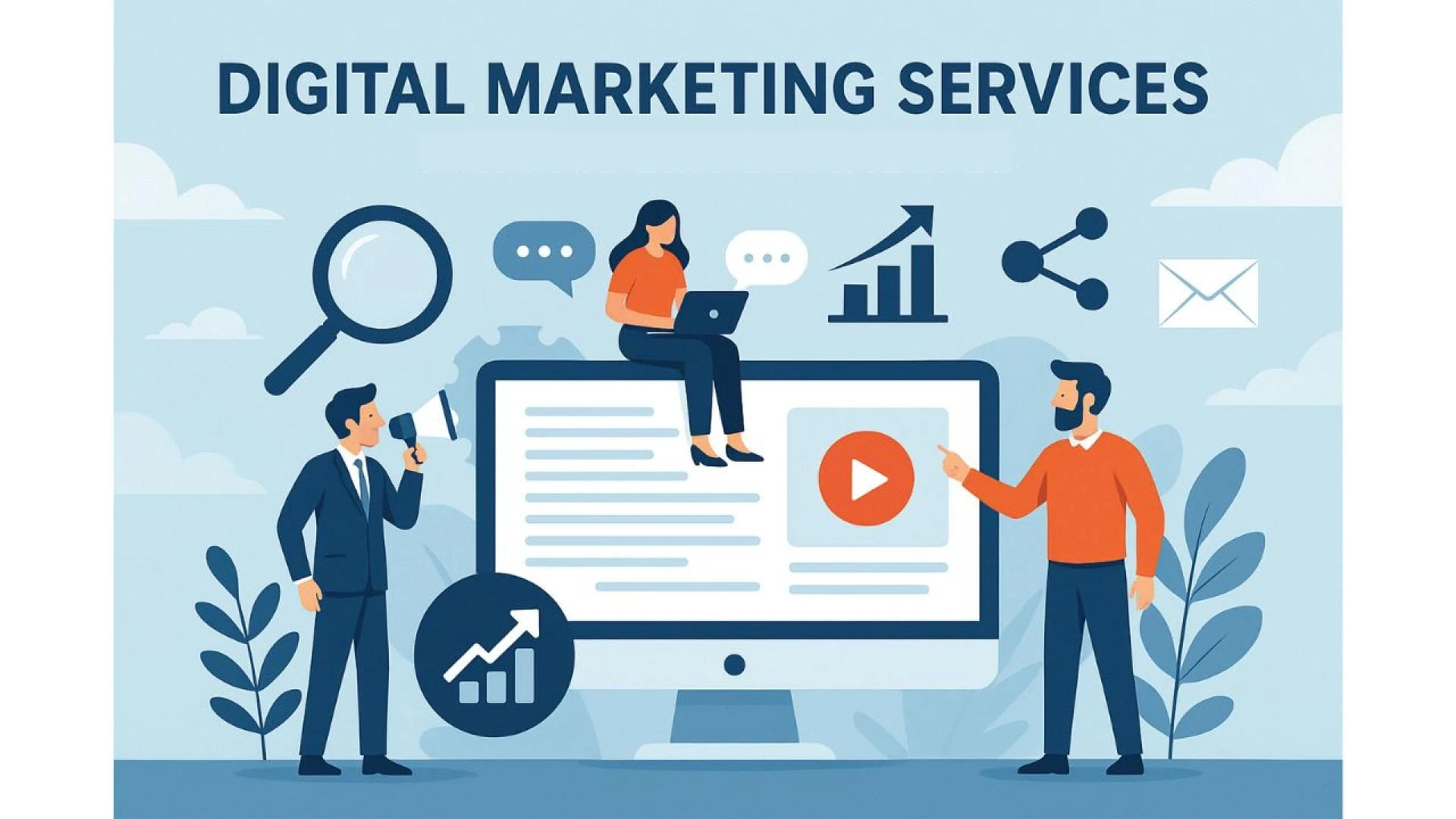
Social media has long been a cornerstone of digital marketing, but as we approach 2025, its role in shaping marketing strategies is growing even more significant. The evolution of platforms, the rise of new content formats, and changes in user behavior all point to a future where social media is a central hub for digital marketing services. Marketers must embrace new strategies to remain relevant in this rapidly changing landscape.
One of the most significant trends is the rise of social commerce. Consumers are increasingly making purchasing decisions directly through social media platforms, whether through shoppable Instagram posts, Facebook Marketplace, or integrated checkout features. In 2025, social commerce will become an even more vital part of digital marketing strategies, allowing brands to reach consumers where they already spend their time. Social media platforms are evolving into more than just advertising spaces—they are becoming integrated shopping experiences that blur the lines between browsing and buying. Brands that capitalize on this trend can enhance user convenience and streamline the purchase process, leading to higher conversion rates.
Another important trend is the growing influence of user-generated content (UGC). Consumers are more likely to trust recommendations from their peers than from brands. UGC, whether it’s reviews, photos, or videos shared by customers, has the power to influence purchasing decisions and build brand credibility. In 2025, user-generated content will continue to be a key component of social media marketing. By encouraging and sharing UGC, businesses can create authentic, relatable content that resonates with their audience, while also fostering a sense of community and trust.
Lastly, social listening is becoming an essential tool for digital marketers. This practice involves monitoring social media platforms for mentions of a brand, its competitors, and industry trends.
Social listening helps businesses understand what consumers are saying, what their pain points are, and how their brand is perceived. In 2025, the ability to respond to social media conversations in real time will be crucial for staying ahead of consumer expectations and gaining valuable insights. With the right tools, marketers can use social listening to tailor their strategies, address customer concerns, and improve overall engagement.
In conclusion, social media will continue to shape the future of digital marketing services. By embracing social commerce, encouraging user-generated content, and leveraging social listening, brands can stay ahead of the curve and effectively engage with their audience in 2025 and beyond.