 Agriculture Management Strategies to Look Out for in 2024
The agriculture landscape is rapidly evolving, and 2024 is set to usher in a new era of smart, efficient, and sustainable farm management. As global food demand continues to rise, farmers and agribusinesses are increasingly turning to innovative strategies to balance productivity with ecological responsibility.
In this article, we’ll explore the top agriculture management strategies for 2024 that can help optimize operations, cut costs, and enhance sustainability in an unpredictable environment.
1️⃣ Digital Farm Management Systems
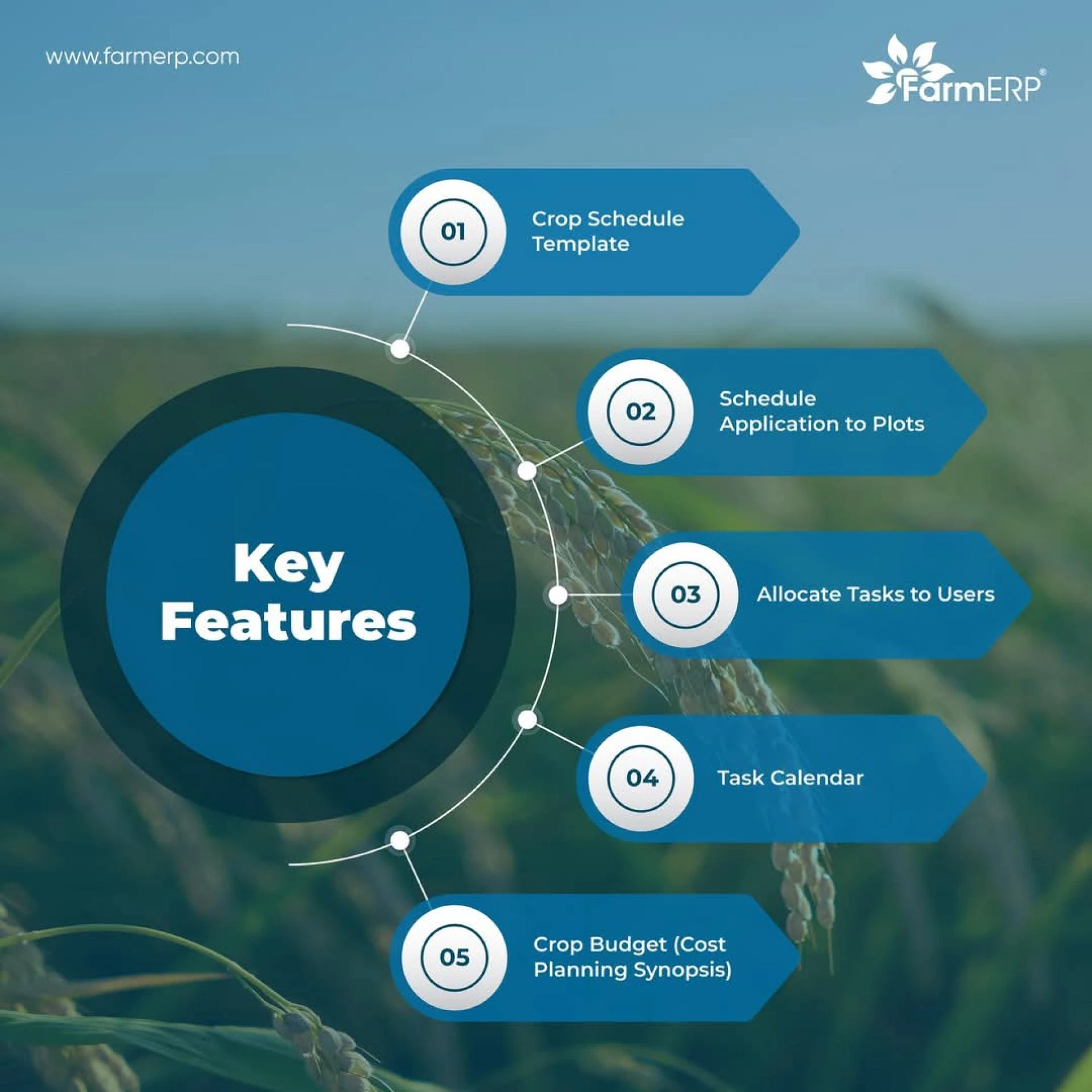
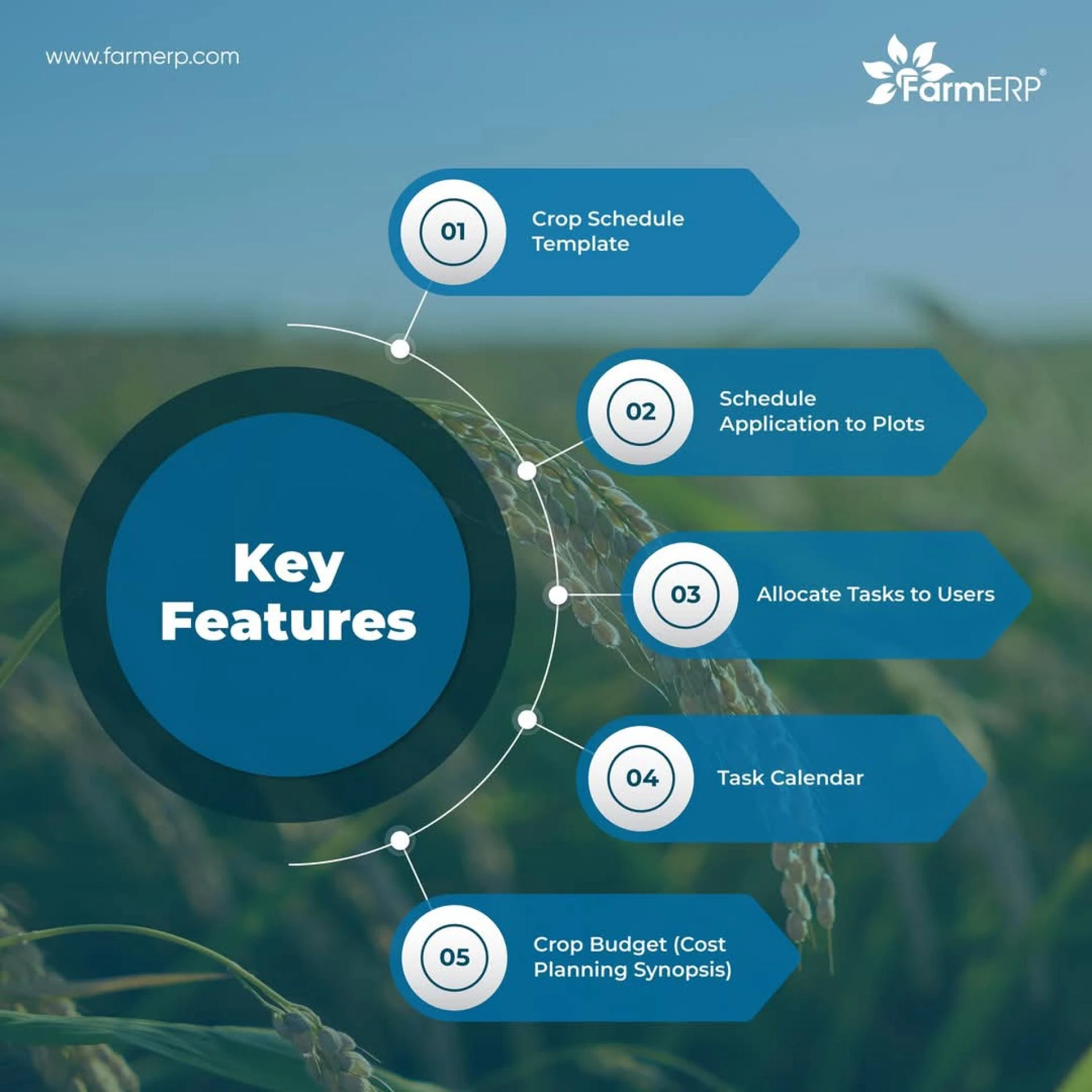
One of the most impactful changes in modern agriculture is the shift from traditional record-keeping to integrated digital farm management platforms. Systems like FarmERP allow farmers to streamline everything from seeding and irrigation to supply chain logistics.
Benefits include:
- Real-time operational visibility
- Smarter resource allocation
- Enhanced decision-making through data analytics
- Improved traceability and compliance
Digital management tools will become even more essential in 2024 as farms grow in size and complexity.
2️⃣ Precision Agriculture
Precision farming has already made waves, but in 2024, its relevance will grow even more. Using sensors, drones, satellite imaging, and GPS-enabled equipment, precision agriculture lets growers apply the exact amount of water, fertilizer, and pesticides needed — reducing waste and maximizing yield.
Why it matters in 2024:
- Rising input costs demand more efficient use
- Climate variability requires micro-level adaptability
- Soil health monitoring will be crucial for sustainable output
3️⃣ AI & Predictive Analytics
The use of Artificial Intelligence (AI) and predictive analytics in agriculture is helping farmers shift from reactive to proactive decision-making.
AI tools can predict:
- Pest outbreaks
- Soil nutrient deficiencies
- Optimal planting and harvesting windows
- Expected market price fluctuations
This tech will empower farmers to minimize risks and improve profitability in a volatile global economy.
4️⃣ Climate-Smart Agriculture (CSA)
With climate change impacting weather patterns and water availability, climate-smart agriculture strategies will become mainstream in 2024. This includes adopting:
- Drought-resistant crop varieties
- Water-efficient irrigation systems
- No-till or reduced-till practices
- Biodiversity enhancement
Sustainability is no longer optional — it's central to securing long-term food production.
5️⃣ Automation & Smart Machinery
Labor shortages and rising wages have pushed many growers toward automation. Robotic systems for planting, weeding, and harvesting are becoming more accessible and affordable.
In 2024, expect to see:
- Autonomous tractors and drones for seeding and spraying
- Robotic harvesters for specialty crops
- AI-powered equipment maintenance alerts
Automation reduces dependency on seasonal labor and helps maintain consistent farm operations.
6️⃣ Blockchain for Traceability
Consumers and regulators are demanding transparency in food production. Blockchain will continue to gain traction in 2024, offering secure, immutable records of:
- Crop origin and movement
- Fertilizer and chemical usage
- Quality assurance checks
- Storage and shipping history
This not only builds trust with consumers but also simplifies compliance for agribusinesses.
7️⃣ Data-Driven Sustainability Goals
In 2024, farms will rely more heavily on data-driven sustainability metrics. This includes carbon footprint monitoring, water usage reporting, and regenerative agriculture indicators.
Farmers who integrate these metrics early can:
- Attract eco-conscious buyers
- Secure funding from sustainability-linked lenders
- Future-proof their business against tightening regulations
Final Thoughts
Agriculture in 2024 is set to be more tech-enabled, more efficient, and more sustainable than ever before. Whether you’re a smallholder, a large-scale grower, or an agribusiness, embracing these strategies is the key to remaining competitive and resilient in a rapidly shifting global market.
FarmERP is at the forefront of this transformation, helping agribusinesses worldwide digitize their operations, enhance productivity, and build climate resilience.