The market for Salesforce developers grows faster as businesses compete to hire top talent. When hiring Salesforce programmers, both technical abilities and interpersonal skills hold equal importance.
Developers skilled at problem-solving and clear communication can significantly impact business outcomes. They contribute to everything from building custom applications tailored to unique business requirements to integrating complex systems.
This piece highlights the top skills to consider while looking to hire Salesforce developers.
Apex Programming Expertise
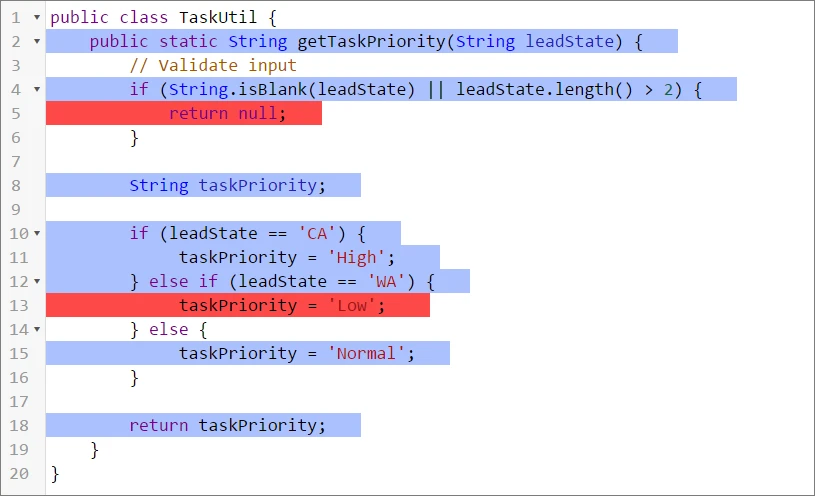 Image Source: Salesforce Developers
Apex programming serves as the foundation for advanced Salesforce customizations. These customizations help organizations extend the platform beyond its standard features. Companies looking to hire Salesforce developers should place Apex expertise at the top of their requirements. This powerful programming language lets developers create sophisticated solutions and execute complex business logic in the Salesforce ecosystem.
Salesforce's platform uses Apex, a strongly typed, object-oriented programming language. The language shares Java-like syntax and works like database stored procedures. Companies need to understand Apex's unique qualities before hiring dedicated Salesforce developers.
Expert programmers stand out from beginners through their mastery of these distinctive features:
- Hosted Architecture - Apex code is stored, compiled, and executed directly on Salesforce servers
- Object-Oriented Design - Supports classes, interfaces, and inheritance
- Strong Typing System - Validates object references during compilation
- Multitenant Awareness - Implements governor limits to prevent resource monopolization
- Database Integration - Provides direct access to records and fields
Apex supports familiar programming constructs such as conditional statements, loops, and exception handling. The language introduces platform-specific elements that include triggers, direct database calls, transactions with rollbacks, and code versioning.
Developers can write and debug Apex through Salesforce Extensions for Visual Studio Code or the Developer Console in their browser. This choice of development environments helps programmers work efficiently according to their preferences and needs.
Mastery of Lightning Web Components
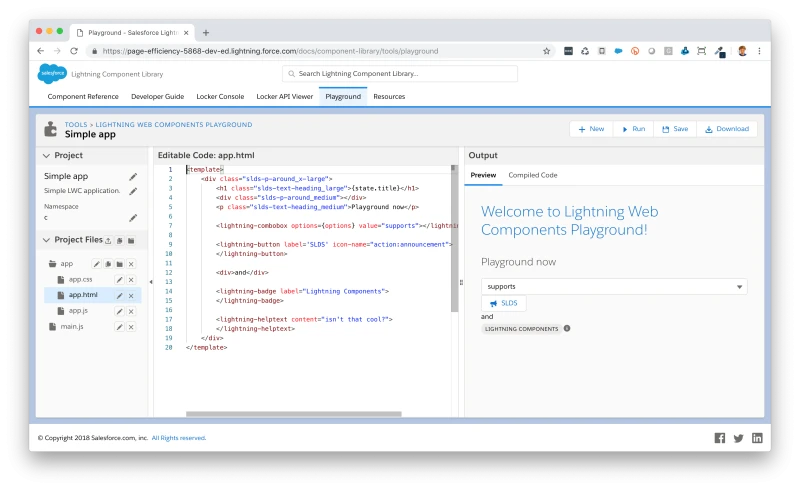 Image Source: Salesforce Developers `
"One idea alone is a tactic, but if it can be executed a number of different ways, it becomes a great strategy." — Marc Benioff, CEO of Salesforce
Modern Salesforce development needs more than just Apex coding skills. Lightning Web Components (LWC) has become a vital skill for front-end development on the Salesforce platform. Companies with dedicated Salesforce developers who know LWC have an edge with faster, more responsive interfaces that users love.
Companies with developers who know Lightning Web Components can create better user experiences. The framework helps end users in the following ways:
Better Performance and Responsiveness
LWC makes applications run noticeably faster. The optimized code leads to quicker loading times and more interactive applications. Users feel the difference through shorter wait times and smoother interactions.
Modern, Accessible Interfaces
LWC enables the creation of sleek, accessible designs that align with contemporary web standards. Developers can deliver interfaces that feel intuitive and familiar, reflecting the usability of everyday applications.
Consistent Cross-Device Experience
Web standards in LWC help create consistent experiences across desktop and mobile devices. This consistency is crucial for users who switch between devices throughout their day.
Customized Interfaces
LWC lets organizations build components that fit their specific business processes. Customized interfaces reduce the need for users to adapt. This allows them to focus on their tasks seamlessly.
Better Data Visualization and Analysis
With Einstein Analytics integration, LWC supports rich data visualization tools like charts and graphs. These features empower users to make informed decisions without navigating away from the application.
Efficient Workflows
Well-designed LWC applications simplify workflows by offering purpose-built components tailored to specific functions. These components enable users to complete tasks in fewer steps. This boosts productivity and reduces the need for extensive training and onboarding.
As Salesforce shifts its focus toward LWC, businesses that invest in developers skilled in this framework will be better equipped to leverage the platform's current and future capabilities effectively.
Salesforce API and Integration Skills
A successful Salesforce implementation depends on how easily data flows between systems and applications. To maximize their CRM investment, companies must hire Salesforce programmers who excel in API and integration work. These skills let businesses connect Salesforce with their existing tech stack and create a unified system that streamlines processes.
Developers must master several integration tools that Salesforce provides. These tools come in three types: Salesforce native tools, app-native tools, and third-party solutions.
Salesforce Native Tools: These built-in tools simplify connections with other platforms. For example:
- AppExchange, Salesforce's cloud marketplace, recommends compatible software solutions.
- MuleSoft Anypoint Platform, acquired by Salesforce, is a powerful integration solution. It makes connections easy with third-party apps not inherently compatible with Salesforce.
App-Native Tools: These are integration features embedded directly into third-party applications, showcasing Salesforce's robust ecosystem. Examples include:
- Google Cloud integration
- Mailchimp connector
- Dropbox synchronization
- Slack integration
- Microsoft Outlook connector
These tools often require little to no coding. This enables businesses to set up integrations effortlessly.
Third-Party Integration Tools: These become useful when native and app-native options don’t meet complex needs. These solutions need more technical know-how but give more flexibility for complex scenarios.
Hiring developers proficient in these tools ensures that organizations can build highly integrated systems.
Data Modeling and Security Knowledge
"Developers routinely face challenging scenarios where critical thinking and creative problem-solving are crucial for getting the job done, so an analytical mind that pays attention to detail is a must." — Revelo, Tech talent platform
A successful Salesforce implementation needs robust data architecture and security. Companies aiming to hire dedicated Salesforce developers should prioritize professionals who excel in structuring and safeguarding data. These skills establish a solid foundation that keeps CRM systems efficient and secure, even as business needs evolve.
Data modeling in Salesforce shows how information gets structured on the platform. The original process involves setting up objects, fields, and relationships that align with business operations. Expert developers understand that a well-designed data model directly shapes user experience, reporting abilities, data loading, and automation possibilities.
Key steps for effective data modeling include:
- Defining object relationships (e.g., lookup vs. master-detail)
- Applying normalization techniques to minimize redundancy
- Implementing validation rules to maintain data quality
- Configuring custom objects and fields tailored to business needs
Effective data modeling goes beyond just technical setup. Companies should seek Salesforce programmers who approach data architecture thoughtfully. The professionals should be able to balance the simplicity of user interfaces with the complexity of backend functionality. This balance ensures both user satisfaction and system reliability.
Key Salesforce Certifications
Salesforce certification credentials prove a developer's expertise and commitment to professional growth. To identify candidates with proven Salesforce knowledge, companies should understand which certifications are most relevant. These certifications depict that developers have mastered both theory and practical skills to create effective solutions.
Key certifications to look for:
- Platform Developer I: Validates proficiency in Apex, Visualforce, and basic Lightning Components for simple programming tasks.
- Platform Developer II: Highlights advanced capabilities in designing intricate business logic and user interfaces.
- B2C Commerce Developer: Essential for full-stack developers specializing in Commerce Cloud Digital solutions.
- JavaScript Developer I: Confirms expertise in front-end and back-end JavaScript applications.
- Salesforce Industries CPQ Developer: Demonstrates specialized skills in configure, price, quote (CPQ) applications.
Conclusion
To hire Salesforce developers, your business needs a clear grasp of technical expertise and professional credentials. You should look for candidates who excel at Apex programming and can build complex business logic and custom solutions. Modern, responsive interfaces need developers skilled in Lightning Web Components to improve user experience on all devices.
The race for Salesforce talent requires you to evaluate candidates thoroughly. Smart businesses look at both hands-on skills and formal credentials when hiring. This balanced strategy helps build development teams that maximize Salesforce investment through custom apps, smooth integrations, and strong security measures.