
Car maintenance goes beyond just regular cleaning and oil changes. One of the most effective ways to keep your vehicle looking new and maintaining its value is car polishing. Polishing removes surface imperfections, protects the paint, and restores the car’s shine, making it an essential part of regular car care. In this guide, we will explore what car polishing is, its benefits, techniques, and tips to ensure the best results.
What is Car Polishing?
Car polishing is the process of applying a specialized abrasive product to the vehicle’s paint surface to remove minor scratches, swirl marks, oxidation, and other imperfections. Unlike washing, which only cleans the car, polishing actually improves the paintwork by smoothing it and enhancing its reflective quality.
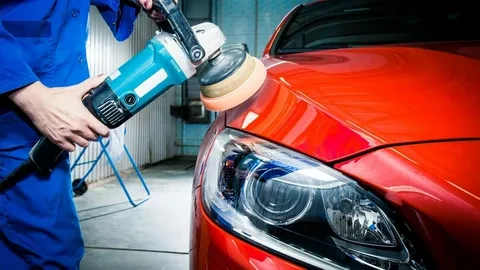
The process can be done manually using a polishing cloth or with machines like rotary or dual-action polishers. Modern polishing compounds are designed to be safe for car paint, but it’s essential to use the right product for your vehicle type to avoid damage.
Benefits of Car Polishing
- Restores Shine: Polishing removes dullness and brings back the car’s original gloss, making it look fresh and well-maintained.
- Protects Paint: Polishing helps eliminate micro-scratches and surface contaminants that can lead to long-term damage if left untreated.
- Increases Resale Value: A well-maintained exterior reflects care and can significantly increase the resale value of your car.
- Prevents Oxidation: Regular polishing prevents paint oxidation caused by sun exposure, pollution, and harsh weather conditions.
Car Polishing Techniques
There are a few popular techniques used in car polishing:
- Hand Polishing: Involves applying polish manually using a microfiber cloth or applicator pad. This method is gentle and suitable for small cars or minor touch-ups.
- Machine Polishing: Utilizes electric or dual-action polishers to apply and buff the polish. This technique is faster, efficient, and ideal for large vehicles or severe surface imperfections.
- Two-Step Polishing: This involves compounding first to remove scratches, followed by finishing polish to enhance shine and smoothness.
Tips for Effective Car Polishing
- Always wash and dry the car thoroughly before polishing to prevent dirt from scratching the paint.
- Work in shaded areas to avoid the polish drying too quickly.
- Use clean microfiber towels to wipe off excess polish for a streak-free finish.
- Apply polish in small sections to ensure even coverage and optimal results.
Conclusion
Car polishing is a vital step in car maintenance that not only enhances the appearance of your vehicle but also protects the paint and increases its longevity. Regular polishing, combined with proper washing and waxing, ensures that your car always looks its best. For professional-grade results, services from Max Garage can help restore your car’s shine and maintain its value effectively.