
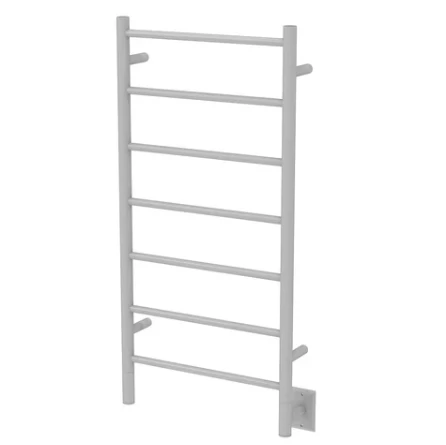
Stepping out of a shower into a cold bathroom can make even the best morning feel rushed. That is why many people consider adding an electric towel warmer to their space. It brings comfort into daily routines and helps towels dry faster between uses. The real decision is not whether to have one, but which type fits your bathroom best.
Towel warmers generally come in two styles. Wall mounted and freestanding. Both offer warmth and convenience, yet they serve different needs depending on layout, lifestyle, and how permanent you want the setup to be.
Wall Mounted Towel Warmers
Wall mounted options attach directly to the wall. This design helps keep the floor clear, which is especially helpful in smaller bathrooms where space matters.
Because they stay in place, they often look more integrated into the room. Many people like the tidy appearance since it blends naturally with other bathroom fixtures.
Advantages
● Saves floor space
● Creates a built in look
● Reduces clutter
● Keeps towels within easy reach
Wall mounted units are often chosen by homeowners who want a long term solution that feels like part of the bathroom rather than an added accessory.
Freestanding Towel Warmers
Freestanding warmers stand on the floor and can be moved when needed. This flexibility makes them appealing for anyone who prefers not to install fixtures or wants the option to relocate the unit later.
People comparing an electric towel warmer often appreciate how freestanding models can adapt to changing needs without requiring installation.
Advantages
● Portable and easy to reposition
● No drilling or mounting required
● Useful in multiple rooms
● Simple to set up
This type works well in larger bathrooms where floor space is less of a concern or in situations where permanent installation is not ideal.
Choosing Based On Your Space
The best option depends largely on your bathroom layout.
Wall mounted units suit compact spaces or minimalist designs. They keep walkways clear and maintain an uncluttered look.
Freestanding models suit flexible layouts or shared homes where needs may change over time.
Ask yourself
● Do you want something permanent
● Do you prefer flexibility
● Is floor space limited
● Will you use it in more than one room
Your answers often point clearly toward the right style.
Safety And Practical Use
Mounted warmers stay securely in place, making them less likely to be bumped or moved accidentally. This can be helpful in busy households.
Freestanding units remain stable but may need thoughtful placement to avoid interfering with movement around the room.
Appearance And Comfort
Wall mounted designs tend to feel subtle and built into the room. Freestanding ones stand out more but offer convenience.
Both types provide the same essential benefit. Warm, dry towels that make everyday routines feel more comfortable.
Everyday Example
In a smaller apartment bathroom, a wall mounted warmer keeps towels warm without taking up precious space.
In a larger home, a freestanding option can move from the main bathroom to a guest room when needed.
Both improve comfort. The difference lies in how they fit into daily life.
Final Thoughts
Wall mounted and freestanding towel warmers each have their strengths. One offers a clean and permanent solution, while the other provides flexibility and ease.
The right choice depends on your space and how you plan to use it.
If you are considering upgrading your bathroom comfort, exploring both options can help you find the style that works best for your routine and layout.