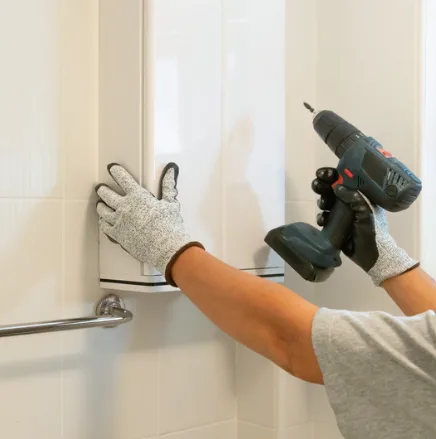
A home is one of the biggest investments a person makes, and keeping it in good condition requires regular attention. From minor plumbing leaks to electrical faults, roofing damage, and air conditioning issues, every property experiences maintenance problems over time. Some issues develop gradually, while others appear unexpectedly and require immediate attention. Understanding the most common home maintenance problems helps homeowners identify warning signs, prevent expensive repairs, and maintain a safe and comfortable living environment. Regular inspections and timely maintenance can also extend the lifespan of household systems, protect property value, and reduce the likelihood of unexpected repair costs.
Many household problems become more complicated when they are ignored or handled incorrectly. This is why professional Handyman Services Singapore can be useful for homeowners dealing with everyday repair and maintenance concerns. From fixing leaking taps and damaged doors to addressing minor electrical issues, furniture repairs, and general household improvements, experienced handyman professionals can help keep residential properties functional and well-maintained. Having access to reliable repair assistance makes it easier to address small problems before they develop into major household concerns.
1. Plumbing Leaks and Water Damage
Plumbing problems are among the most common maintenance issues in residential properties. Leaking taps, damaged pipes, clogged drains, and faulty toilet fixtures can affect daily activities and lead to unnecessary water waste.
Even a small leak beneath a kitchen sink can cause significant damage if it continues unnoticed. Water can gradually weaken cabinets, damage flooring, encourage mould growth, and create unpleasant odours.
Common Signs of Plumbing Problems
Homeowners should look out for:
- Dripping taps and showerheads.
- Water stains on ceilings and walls.
- Low water pressure.
- Slow-draining sinks and bathtubs.
- Unusual sounds coming from pipes.
- Constantly running toilets.
- Damp areas around plumbing fixtures.
How to Prevent Plumbing Issues
Regularly inspect exposed pipes, taps, toilet connections, and drainage systems. Avoid putting grease, cooking oil, food scraps, and unsuitable materials down kitchen drains. Clean drain covers and address minor leaks as soon as they appear.
If a pipe bursts or water begins spreading rapidly, turn off the main water supply if it is safe to do so and arrange professional plumbing assistance.
2. Electrical Problems and Faulty Wiring
Electrical maintenance is another important aspect of homeownership. Faulty wiring, overloaded circuits, damaged switches, and malfunctioning power outlets can create serious safety hazards.
Some electrical issues develop because of ageing installations, while others result from poor workmanship, excessive electrical loads, or damaged appliances.
Common Electrical Issues
- Frequently tripping circuit breakers.
- Flickering or dimming lights.
- Loose or damaged power outlets.
- Burning smells near switches or sockets.
- Electrical appliances losing power unexpectedly.
- Unusual buzzing sounds from electrical panels.
These warning signs should never be ignored. Faulty electrical systems can increase the risk of electric shocks and residential fires.
Electrical Maintenance Tips
Avoid connecting too many high-powered appliances to one outlet. Check visible cables for damage and replace defective electrical accessories through a qualified electrician.
Homeowners should also arrange periodic electrical inspections, particularly in older properties. Never attempt to repair exposed wiring or electrical panels without the necessary training.
3. Roof Leaks and Damaged Roofing
A roof protects the entire property from rain, wind, heat, and other environmental conditions. However, continuous exposure to changing weather can gradually damage roofing materials.
Cracked tiles, deteriorating waterproofing, damaged flashing, and blocked roof drainage systems are common causes of roof leaks.
Warning Signs of Roof Damage
- Water stains on ceilings.
- Damp patches in upper-floor rooms.
- Missing or cracked roof tiles.
- Peeling paint near ceiling edges.
- Water entering through roof joints.
- Visible mould or mildew growth.
Roofing problems can become expensive when water penetrates insulation, ceiling materials, and structural components.
Preventive Roofing Maintenance
Inspect accessible roof areas periodically and remove leaves or debris from gutters. Check flashing around chimneys, vents, and other roof openings. After heavy rainfall or strong winds, look for signs of water penetration.
Professional roof inspections are particularly important when dealing with difficult-to-access areas. Homeowners should avoid climbing onto unstable or slippery roofs.
4. Air Conditioning and Ventilation Problems
Air conditioning systems are essential for maintaining indoor comfort, particularly in warm and humid climates such as Singapore. However, without proper maintenance, these systems can experience reduced performance and unexpected breakdowns.
Dirty filters, blocked drainage pipes, refrigerant leaks, and damaged components can prevent an air conditioner from operating efficiently.
Common Air Conditioning Problems
- Weak airflow from indoor units.
- Water dripping from air conditioning systems.
- Unusual noises during operation.
- Unpleasant smells from air vents.
- Rooms taking longer to cool.
- Higher electricity consumption.
- Frequent system shutdowns.
How to Maintain Air Conditioning Systems
Clean or replace air filters according to the manufacturer's recommendations. Keep outdoor units free from obstructions and arrange regular professional servicing.
Drainage lines should also be checked to prevent water leaks. If an air conditioner produces unusual noises or fails to cool properly, professional inspection can help identify the underlying problem.
Proper air conditioning maintenance improves indoor comfort, supports energy efficiency, and helps extend equipment lifespan.
5. Mould and Dampness on Walls
Mould growth is a common household problem, especially in properties with poor ventilation, water leaks, or excessive indoor humidity.
Bathrooms, kitchens, laundry areas, and poorly ventilated bedrooms are particularly vulnerable to moisture accumulation.
Mould can appear as black, green, or grey patches on walls, ceilings, furniture, and other surfaces. Besides damaging household materials, indoor mould exposure can trigger allergic reactions and respiratory symptoms in sensitive individuals.
What Causes Mould Growth?
Common causes include:
- Plumbing leaks.
- Roof and window leaks.
- Poor ventilation.
- Condensation on cold surfaces.
- High indoor humidity.
- Inadequate bathroom exhaust systems.
Ways to Prevent Mould
Improve ventilation by opening windows when appropriate and using exhaust fans in moisture-prone areas. Repair water leaks promptly and avoid allowing damp materials to remain wet for extended periods.
If mould covers a large area, keeps returning, or is associated with hidden water damage, professional assessment may be necessary. Cleaning visible mould without addressing its moisture source will rarely provide a lasting solution.
6. Blocked Gutters and Drainage Problems
Gutters and drainage systems help direct rainwater away from the building. When these systems become blocked, water can overflow and damage walls, ceilings, foundations, and surrounding landscaping.
Leaves, dirt, branches, and other debris are common causes of blocked gutters.
Common Signs of Drainage Problems
- Water overflowing from gutters.
- Puddles forming around the property.
- Damp exterior walls.
- Water collecting near the foundation.
- Slow drainage around outdoor areas.
- Unpleasant smells from drains.
Preventive Measures
Clean gutters periodically, especially after periods of heavy rainfall or when nearby trees shed leaves. Check downpipes for obstructions and make sure rainwater flows away from the building.
For underground drainage issues or recurring blockages, a professional inspection can help identify damaged pipes or deeper obstructions.
7. Damaged Doors, Windows, and Locks
Doors and windows experience frequent use, making them vulnerable to general wear and tear. Hinges can become loose, locks may stop working properly, and window frames can develop gaps over time.
These problems can affect home security, insulation, privacy, and everyday convenience.
Common Door and Window Problems
- Squeaking or stiff door hinges.
- Doors that fail to close properly.
- Broken handles and damaged locks.
- Cracked window glass.
- Loose window frames.
- Damaged weatherstripping.
- Air or water entering through gaps.
How to Maintain Doors and Windows
Lubricate hinges and moving components when necessary. Tighten loose screws and inspect door handles, locks, and window seals regularly.
Replace damaged weatherstripping to reduce unwanted air movement and improve indoor comfort. Broken glass and defective locking mechanisms should be repaired promptly to maintain household safety.
8. Peeling Paint and Damaged Walls
Paint protects interior and exterior surfaces while contributing to a property's appearance. Over time, however, paint can fade, crack, blister, or peel because of moisture, sunlight, temperature changes, and poor surface preparation.
Wall damage may also develop because of furniture impacts, accidental scratches, or structural movement.
Common Causes of Wall and Paint Damage
- Water seepage.
- High humidity.
- Poor-quality paint.
- Inadequate surface preparation.
- Exposure to direct sunlight.
- Cracks caused by building movement.
Maintaining Interior and Exterior Walls
Inspect painted surfaces regularly and repair minor cracks before repainting. Remove loose paint and ensure surfaces are dry before applying a new coating.
However, homeowners should identify the cause of peeling paint before covering it. Repainting a damp wall without resolving the underlying moisture problem will usually result in recurring damage.
9. Pest Infestations
Pests can cause considerable damage to household materials and create hygiene concerns. Ants, cockroaches, termites, rodents, and other insects commonly enter properties through small openings, drainage systems, and poorly sealed areas.
Termites are particularly concerning because they can damage wooden furniture, flooring, doors, and structural components without being immediately noticeable.
Common Signs of Pest Problems
- Droppings around cupboards and storage areas.
- Scratching sounds inside walls or ceilings.
- Damaged wooden furniture.
- Mud tubes near walls or foundations.
- Small holes in wooden surfaces.
- Insects appearing regularly in kitchens and bathrooms.
Pest Prevention Tips
Keep food in sealed containers and clean kitchen surfaces regularly. Dispose of rubbish properly and avoid allowing standing water to accumulate.
Seal visible gaps around doors, windows, and utility entry points. If there are signs of termites or rodents, arrange professional pest control rather than relying exclusively on household treatments.
10. Flooring Damage and Loose Tiles
Flooring receives constant foot traffic, making it susceptible to scratches, cracks, stains, and general deterioration.
Different flooring materials experience different maintenance problems. Wooden flooring may swell because of moisture, while ceramic tiles can crack or become loose due to installation issues or underlying movement.
Common Flooring Problems
- Cracked or chipped tiles.
- Loose floorboards.
- Scratched wooden surfaces.
- Damaged grout between tiles.
- Water damage around bathrooms and kitchens.
- Uneven flooring.
Flooring Maintenance
Clean floors using products suitable for their specific materials. Avoid excessive water when cleaning wooden surfaces and repair damaged grout to prevent moisture from reaching underlying layers.
Loose tiles should be investigated because they may indicate adhesive failure or movement beneath the flooring. Repairing damaged areas early can prevent further deterioration.
11. Water Heater and Bathroom Fixture Problems
Water heaters and bathroom fixtures are used regularly, making them important parts of household maintenance.
Common problems include inconsistent water temperatures, leaking connections, unusual noises, faulty heating elements, and damaged shower fittings.
A malfunctioning water heater can disrupt daily routines and may create electrical or scalding hazards depending on the type of fault.
Preventive Maintenance
Inspect visible water connections for leaks and watch for changes in water temperature or pressure. Follow the manufacturer's maintenance recommendations and arrange professional servicing when necessary.
Homeowners should never attempt to repair internal electrical or pressurised water heater components without appropriate qualifications.
12. Kitchen Cabinets and Furniture Damage
Kitchen cabinets, wardrobes, shelves, and household furniture can deteriorate because of regular use, moisture exposure, loose fittings, and accidental damage.
Cabinet hinges may become loose, drawer runners can stop functioning smoothly, and wooden surfaces may swell or crack.
Common Furniture Maintenance Issues
- Loose cabinet handles.
- Broken hinges.
- Misaligned cupboard doors.
- Damaged drawer runners.
- Scratched wooden surfaces.
- Loose shelves.
- Swollen cabinet panels.
Regularly tighten loose fittings and avoid placing excessive weight on shelves. Keep wooden furniture away from persistent moisture and address water leaks near kitchen cabinets quickly.
Minor repairs can often restore functionality without requiring complete furniture replacement.
13. Structural Cracks and Foundation Concerns
Not every wall crack indicates a serious structural problem, but homeowners should understand the difference between minor cosmetic damage and potentially significant building defects.
Small hairline cracks can occur because of normal building settlement, temperature changes, or drying materials. However, wider or expanding cracks may indicate underlying structural movement.
Warning Signs That Require Attention
- Large cracks in walls or ceilings.
- Diagonal cracks around doors and windows.
- Doors and windows suddenly becoming difficult to operate.
- Uneven or sloping floors.
- Cracks that continue to expand.
- Water entering through foundation walls.
A qualified building professional or structural engineer should assess suspicious cracks, particularly when they appear suddenly or are accompanied by other signs of movement.
Avoid simply filling and painting over cracks before understanding their cause.
14. Appliance Maintenance and Unexpected Breakdowns
Household appliances such as refrigerators, washing machines, dishwashers, ovens, and dryers make everyday activities easier. However, continuous use and a lack of cleaning can lead to reduced efficiency and mechanical problems.
Common Appliance Issues
- Refrigerators failing to maintain temperature.
- Washing machines leaking water.
- Dishwashers failing to drain.
- Ovens heating unevenly.
- Dryers producing excessive heat.
- Appliances making unusual noises.
How to Reduce Appliance Problems
Follow manufacturer maintenance instructions and clean filters, vents, and accessible components regularly. Avoid overloading washing machines and dryers, and make sure appliances have sufficient ventilation.
Disconnect faulty appliances when safe to do so and arrange qualified repairs when electrical or mechanical problems occur.
15. Poor Indoor Ventilation and Indoor Air Quality
Indoor air quality is another important aspect of residential maintenance that homeowners sometimes overlook.
Dust accumulation, inadequate ventilation, moisture, cooking fumes, and poorly maintained air conditioning systems can affect the comfort of indoor spaces.
Poor ventilation can also contribute to condensation and mould growth.
Improving Indoor Air Quality
- Clean air conditioning filters regularly.
- Use kitchen exhaust fans while cooking.
- Maintain bathroom ventilation systems.
- Reduce indoor dust accumulation.
- Address moisture problems promptly.
- Avoid blocking ventilation openings.
These simple practices can help create a cleaner and more comfortable indoor environment.
How Can Homeowners Prevent Common Maintenance Problems?
Although household repairs are sometimes unavoidable, consistent preventive maintenance can reduce their frequency and severity. A structured maintenance routine helps homeowners identify problems before they become expensive emergencies.
Create a Regular Inspection Schedule
Check plumbing fixtures, electrical outlets, doors, windows, ceilings, and visible walls periodically. Seasonal inspections are particularly useful for identifying weather-related damage and drainage problems.
Address Small Repairs Immediately
A dripping tap, loose door handle, or minor wall crack may seem unimportant. However, postponing repairs can allow small defects to develop into more expensive problems.
Keep Household Systems Clean
Regular cleaning helps prevent blocked drains, dirty air filters, clogged gutters, and appliance performance issues.
Hire Qualified Professionals
Certain maintenance tasks require specialist knowledge, equipment, or safety training. Plumbing, electrical installations, roofing, and structural repairs should be handled by appropriately qualified professionals.
Maintain a Home Maintenance Budget
Set aside money for routine servicing and unexpected repairs. Keeping records of completed maintenance work, equipment warranties, and previous repairs can also make property management easier.
Why Is Regular Home Maintenance Important?
Regular maintenance offers several long-term benefits beyond keeping a property looking attractive. It protects the building, improves household safety, and helps prevent unexpected expenses.
1. Prevents Expensive Repairs: Identifying minor defects early can reduce the likelihood of extensive repair work.
2. Improves Safety: Maintaining electrical systems, plumbing installations, stairs, and other household components helps reduce potential hazards.
3. Protects Property Value: A well-maintained home is generally more attractive to prospective buyers and tenants.
4. Improves Energy Efficiency: Properly maintained air conditioning systems, windows, doors, and appliances can help reduce unnecessary energy consumption.
5. Extends Equipment Lifespan: Regular servicing and appropriate care help household systems and appliances operate effectively for longer.
6. Creates a Comfortable Living Environment: Addressing ventilation, moisture, heating, cooling, and general repair issues makes everyday living more convenient.
Final Thoughts
Home maintenance is an ongoing responsibility that involves much more than occasional cleaning and cosmetic improvements. Plumbing leaks, electrical faults, roofing damage, mould, pest infestations, faulty appliances, and structural concerns are among the most common problems homeowners encounter. Each issue requires attention at the right time to prevent unnecessary damage and maintain a safe living environment.
The best approach is to establish a regular inspection routine, recognise early warning signs, and arrange appropriate repairs whenever problems arise. While homeowners can handle many basic maintenance activities themselves, professional assistance is important for repairs involving specialist equipment, technical knowledge, or potential safety risks. By staying proactive and addressing household problems promptly, homeowners can protect their investment, improve daily comfort, and keep their properties in good condition for years to come.