
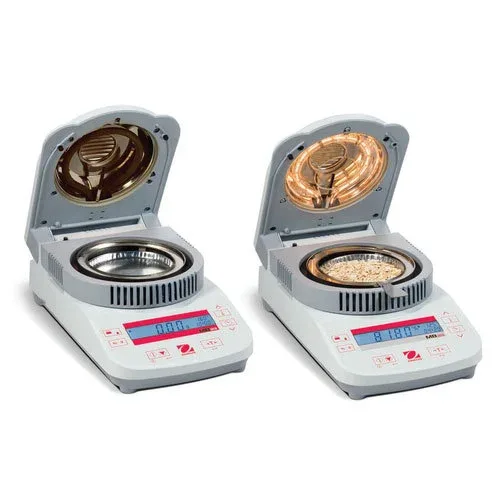
Every manufacturing and processing business deals with one common challenge — maintaining consistent product quality at every stage of production. While temperature, pressure, and weight often get the most attention, moisture content is equally critical and far easier to overlook. A small variation in water percentage can change how a product behaves, how long it lasts, and whether it meets the standards required by customers, retailers, and regulatory bodies.
This is why moisture analysers have become indispensable across a broad range of industries. They take the uncertainty out of moisture measurement and replace it with fast, reliable, and repeatable data that teams can act on immediately.
The Hidden Cost of Ignoring Moisture Levels
Many businesses only discover a moisture problem after it has already caused damage. A production batch that fails quality inspection, a food product that spoils ahead of its expected shelf life, or a pharmaceutical ingredient that degrades before it reaches the customer — these are all situations that accurate moisture monitoring could have prevented.
Relying on visual checks or outdated manual testing methods introduces unnecessary risk. Products that appear acceptable on the surface can carry moisture levels that make them unsuitable for sale or distribution. Investing in a dedicated moisture analyser removes this guesswork entirely and gives quality control teams the confidence to approve or reject batches based on actual data rather than assumption.
Industries That Depend on Moisture Analysers
The food and beverage sector is one of the clearest examples. From bakery ingredients and dairy products to coffee, spices, and snack foods, moisture content affects taste, texture, shelf life, and food safety compliance. Moisture analysers allow food producers to test raw ingredients on arrival and finished goods before dispatch, creating a reliable quality checkpoint at both ends of production.
Pharmaceutical manufacturers also rely heavily on moisture analysers to meet strict regulatory requirements. Active ingredients, excipients, and finished dosage forms must all fall within defined moisture specifications. Excess moisture can cause chemical instability, while insufficient moisture can affect dissolution rates and drug delivery performance. Quick, on-site testing with a moisture analyser ensures that these parameters are consistently met without waiting days for external laboratory results.
In agriculture, moisture analysers are used to assess grain, seeds, and animal feed before storage or sale. Grain stored above safe moisture thresholds is highly susceptible to fungal growth and heat damage, both of which result in significant financial losses. Buyers and sellers alike use moisture readings to agree on fair pricing and to ensure that stored material remains in good condition throughout the storage period.
Other sectors where moisture analysers play a vital role include paper and pulp manufacturing, where moisture affects printability and structural integrity; plastics processing, where excess moisture in raw pellets can cause surface defects and mechanical weaknesses in finished parts; cosmetics production, where water content influences product stability and microbial safety; and construction materials, where moisture levels in cement, sand, and aggregates directly affect mix ratios and structural outcomes.
What to Look for When Selecting a Moisture Analyser
With several models available across different price points and specifications, choosing the right moisture analyser requires a clear understanding of your working environment and testing needs.
Sample capacity is an important starting point. Some materials require larger sample sizes to produce a representative result, while others can be tested accurately with just a few grams. Temperature range and heating speed also matter — certain materials are sensitive to high heat and require gentler drying profiles to avoid altering the sample structure during testing.
Readability and display clarity are worth considering, particularly in busy production environments where operators need to read results quickly and without ambiguity. Connectivity is another growing requirement. Many modern moisture analysers can export data directly to computers, printers, or laboratory information management systems, which simplifies record-keeping and supports audit trail requirements.
Scales and Balances offers a well-rounded selection of moisture analysers designed for practical use across different industries and environments. Whether you are setting up a quality control lab or upgrading existing testing equipment on a production floor, the range covers a variety of specifications to match your exact requirements. Scales and Balances focuses on supplying equipment that delivers consistent performance over the long term, backed by product knowledge and reliable customer support.
Why the Investment Pays Off
A quality moisture analyser is not simply a cost — it is a tool that protects product quality, reduces material waste, and strengthens compliance across your entire operation. Businesses that integrate regular moisture testing into their quality control processes tend to see fewer rejected batches, fewer customer complaints, and a stronger overall reputation for consistency.
The right equipment, used correctly, makes a measurable difference. Explore the full moisture analyser range at Scales and Balances and take the first step towards more reliable, data-driven quality control.