
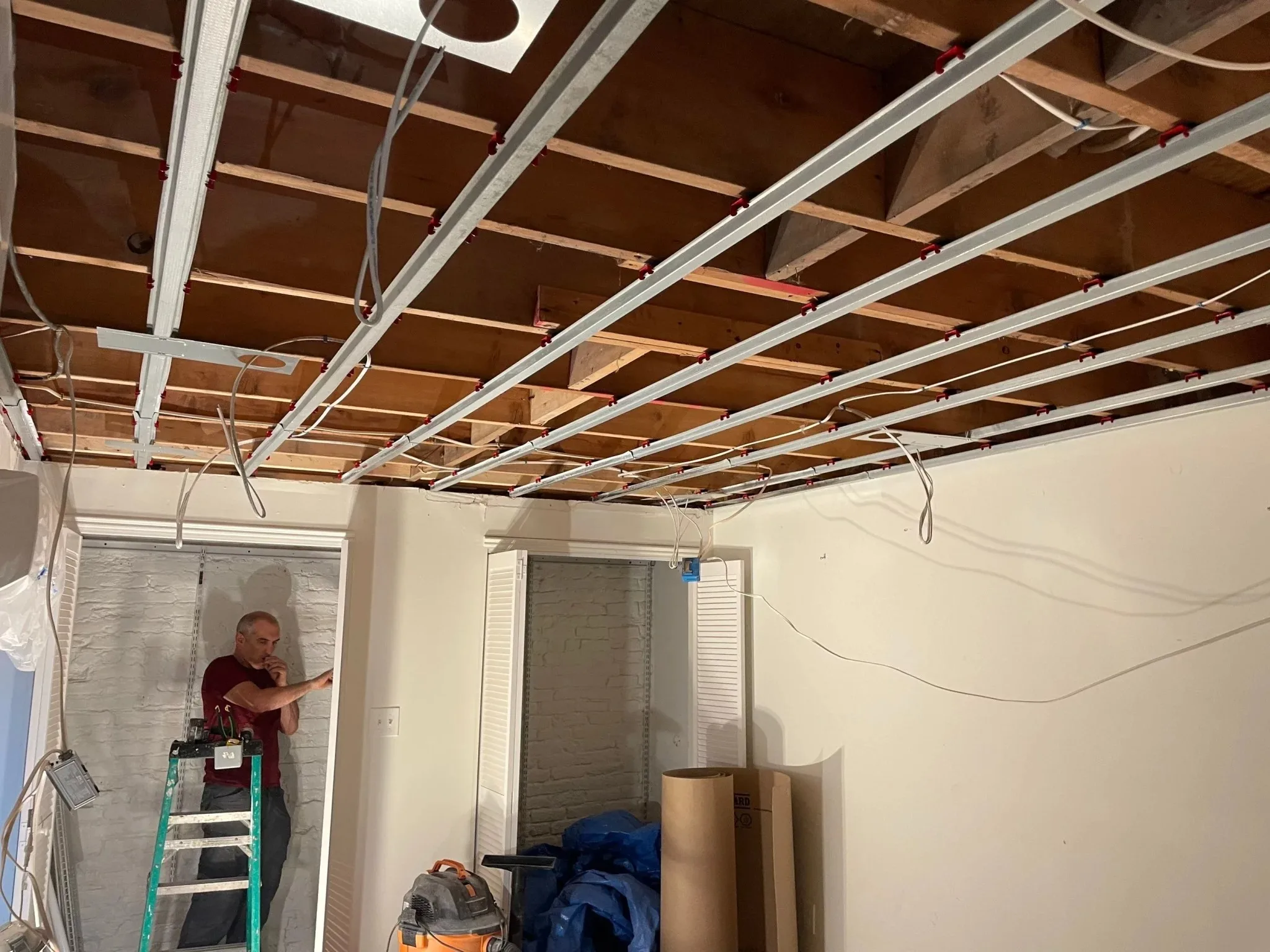
Investing in professional modern soundproofing services provides homeowners with immediate relief from unwanted noise while boosting overall property value and everyday comfort. Quality installations block external traffic sounds, reduce internal room-to-room echo, and create peaceful environments for remote work and rest.
Modern residential architecture favors open floor plans, hard surfaces, and lightweight construction materials. While these design choices look clean, they often introduce unintended acoustic challenges. Decades of building science show that effective noise management requires proper mass, decoupling, absorption, and air sealing rather than quick DIY fixes.
Understanding Noise Transmission in Modern Residential Construction
Sound travels through residential structures in two primary ways: airborne and impact. Airborne noise includes voices, televisions, and street traffic that travel through the air and penetrate standard drywall. Impact noise comes from footsteps, dropped items, or vibrating mechanical systems traveling directly through structural framing.
Standard home builds rarely address these acoustic paths thoroughly during initial construction. Builders typically use hollow core doors, standard drywall, and minimal cavity insulation, which leave pathways for sound waves to move freely across living areas.
Professional contractors evaluate these weak points by checking wall assemblies, floor joists, ceiling plenums, and ductwork. Identifying whether a problem stems from airborne leaks or structural vibration determines the exact materials required to solve it.
Why Professional Acoustic Treatments Outperform DIY Methods
Many homeowners first attempt to control noise using acoustic foam panels, heavy curtains, or area rugs. While soft furnishings can reduce internal room echo, they lack the physical density required to stop sound transmission through walls or ceilings.
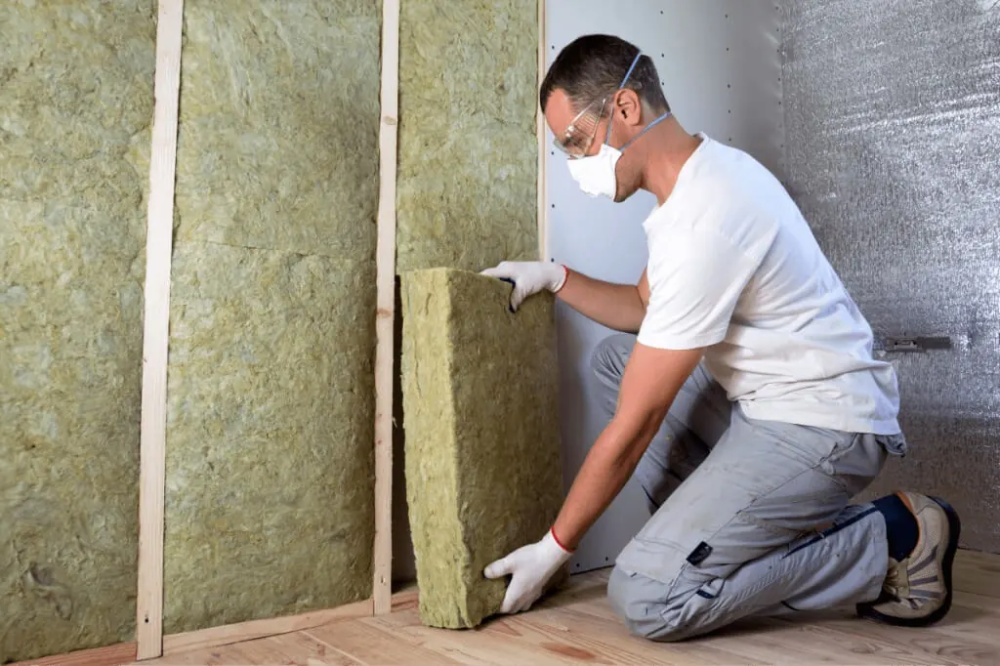
True acoustic isolation requires specialized materials such as high-density open-cell or closed-cell spray foam, dense mineral wool, resilient channels, and acoustic sealants. Professional installers understand how to combine these materials to break structural sound paths.
Expert installation also prevents flanking transmission. Flanking occurs when sound bypasses an insulated wall through electrical outlets, HVAC ducting, or plumbing chases. Professional Soundproofing Services seal these hidden gaps completely to ensure maximum acoustic performance.
Key Benefits of Investing in Professional Noise Reduction
Selecting the right acoustic treatment delivers distinct advantages that extend beyond simple volume reduction:
- Improved sleep quality and lower daily stress levels by isolating bedroom spaces from street and neighborhood activity.
- Higher productivity in dedicated home offices by eliminating distractions from household appliances and conversation.
- Better audio performance in media rooms and home theaters without disturbing neighboring rooms.
- Increased privacy for sensitive conversations in private home offices or personal suites.
- Greater home resale appeal, as quiet indoor environments are a major selling feature for prospective buyers.
Practical Comparison of Acoustic Upgrades
A comprehensive approach to noise abatement combines multiple methods to target specific frequencies. The table below outlines standard treatments and their typical effectiveness in residential spaces.
Performance Breakdown of Residential Sound Control Methods

Regional and Climate Considerations for Acoustic Materials
Climate conditions play a major role in selecting the right acoustic materials. In cold northern climates, soundproofing exterior assemblies must integrate with thermal insulation and moisture vapor barriers. Using closed-cell or open-cell spray foam in exterior walls and rim joists stops both freezing drafts and outdoor traffic noise.
In humid southern zones, interior insulation materials must resist moisture retention while dampening loud outdoor air conditioning units. Combining continuous air sealing with specialized Acoustic Solutions prevents condensation problems inside wall cavities while maintaining quiet interiors.
Urban homeowners facing high traffic volume require multi-layer wall assemblies that address low-frequency vehicle rumble. Suburban homes, by contrast, frequently benefit most from interior partition treatments that isolate laundry rooms, bathrooms, and home theaters.
Factors to Review Before Choosing an Acoustic Upgrade
Before contracting a team for Modern Soundproofing Services, you should evaluate several core elements of your home. Taking these factors into account ensures you choose the most effective approach for your layout.
Target Frequency and Noise Source
Identify the specific sounds causing distress. High-pitched sounds like barking dogs require different isolation materials than low-frequency rumbles from heavy trucks or home theater subwoofers.
Structural Capacity and Room Dimensions
Adding multiple layers of heavy drywall or sound-deadening boards adds significant weight to ceilings and walls. You must verify that your framing can support the extra mass without structural strain.
Budget and Long-Term Goals
Full gut renovations allow complete wall decoupling and comprehensive spray foam application, offering the highest performance. Retrofit projects that keep existing drywall in place rely on injection foams or surface-applied damping compounds, which balance cost with noticeable sound reduction.
Top Practical Tips for Everyday Noise Management
- Bonus Tip 1: Homeowners can immediately resolve minor air leaks by caulking behind electrical switch plates and ceiling light fixtures with non-hardening acoustic sealant.
- Bonus Tip 2: For quick room-to-room noise mitigation, consider upgrading hollow-core interior doors to solid wood or insulated composite models.
- Bonus Tip 3: Place dense rubber anti-vibration pads under major appliances like washing machines and dishwashers to prevent structural vibration from traveling through floor joists.
Why Do Modern Open Concepts Require Dedicated Sound Control?
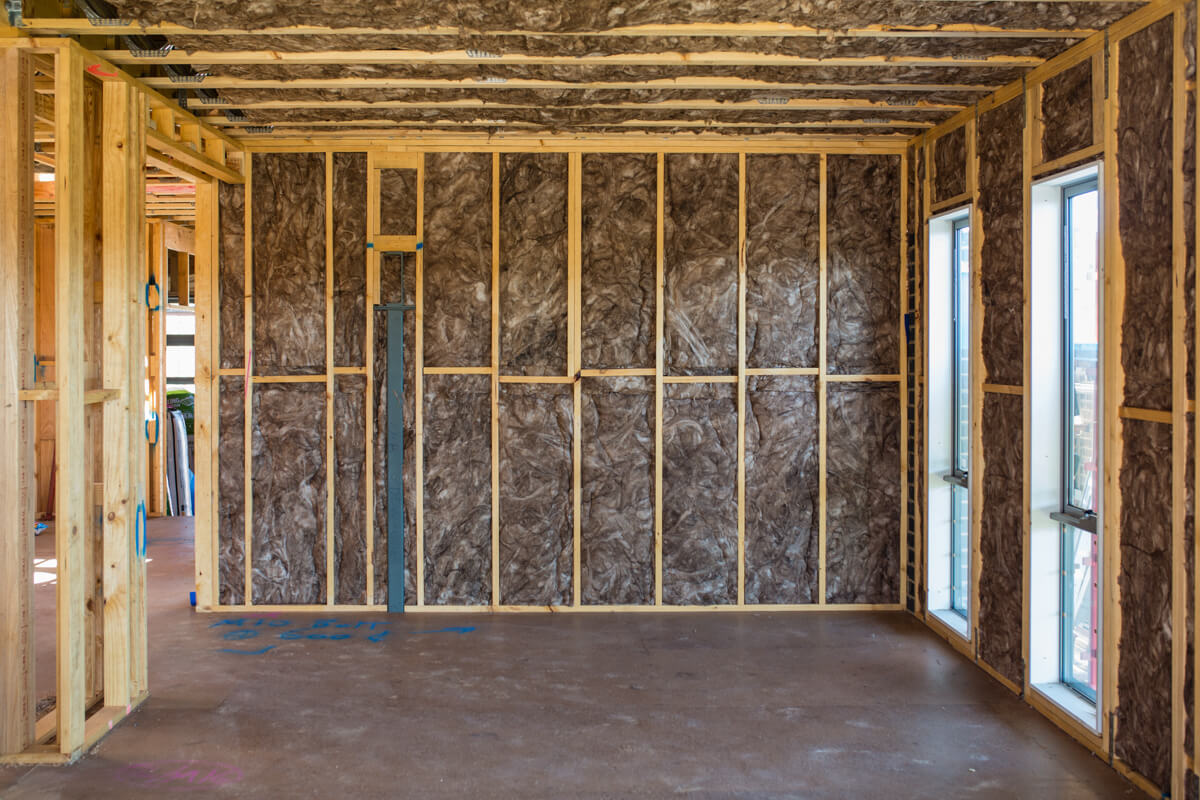
As highlighted earlier, contemporary residential designs lean heavily into open concepts. While these open layouts look stunning, they eliminate traditional dividing walls that naturally block sound waves. Hardwood flooring, large glass windows, and high ceilings allow sound to bounce repeatedly across living areas.
In these spacious layouts, everyday activities like cooking or watching television quickly overlap with remote work or study areas. Integrating sound-absorbing ceiling treatments, subfloor damping, and specialized wall insulation creates functional, Quiet Living Spaces without sacrificing open architectural designs.
Investing in dedicated Home Soundproofing restores balance to open floor plans. It controls sound reflection, absorbs ambient noise, and keeps distinct functional zones comfortable for the entire family.
The Long-Term Return of Professional Sound Isolation
Acoustic treatments add lasting value to modern properties. Recent market research indicates that properties located near urban centers or busy corridors see strong appreciation when equipped with certified sound reduction features.
Beyond resale metrics, the return shows up in daily wellness. Chronic exposure to background noise above 55 decibels increases stress hormones and disrupts natural sleep cycles. Professional Noise Control brings ambient interior noise down to comfortable levels, supporting long-term health and relaxation.
When combined with energy-saving measures like spray foam insulation and air sealing, sound control packages deliver dual returns by lowering monthly utility bills alongside acoustic improvements.
Finding the Right Path Forward for Your Home
Every residential property presents a unique mix of framing methods, room layouts, and noise exposure levels. Achieving a peaceful indoor atmosphere requires assessing where sound enters and choosing materials matched to your specific living requirements. Review your home layout, identify your biggest noise concerns, and consider how acoustic upgrades can improve your daily routine.
Partner with Coleman Spray Foam for Complete Acoustic and Thermal Comfort
Ready to transform your home into a quiet and energy-efficient retreat? You can reach out to the experienced team at Coleman Spray Foam by email at [email protected]. Call them directly at (781) 730-6537 to discuss your project specifications and request a free quote on high-performance Modern Soundproofing Services and custom insulation installations tailored to your property.
Common Questions About Residential Soundproofing
Can Soundproofing Completely Eliminate All Outside Noise?
No system can block one hundred percent of sound, especially heavy low-frequency vibrations. Professional installations reduce airborne and impact noise by up to eighty percent, making remaining sounds virtually unnoticeable.
Does Spray Foam Insulation Help with Acoustic Control?
Open-cell spray foam excels at absorbing mid-to-high frequency airborne sounds and sealing air gaps where noise leaks through. Closed-cell foam adds density to wall assemblies while providing superior thermal and moisture barriers.
Is It Better to Soundproof During New Construction or Retrofit Later?
Treating walls and ceilings during new construction is more cost-effective because contractors have open access to studs and joists. Retrofitting existing homes is still effective using injection insulation, acoustic drywall, and surface damping.
How Much Space Do You Lose When Soundproofing Existing Walls?
Standard retrofit systems using resilient clips and an extra layer of drywall add roughly one to one and a half inches of thickness to your wall, preserving virtually all usable room area.
What Is the Difference Between Sound Absorption and Sound Blocking?
Sound absorption uses soft, porous materials to stop sound from echoing inside a single room. Sound blocking uses heavy, dense materials and airtight seals to stop sound from traveling between separate rooms.