To ensure that all the vehicles on the UK roads are functional and safe, an MOT test is conducted each year. It is a mandatory inspection for all vehicles, and not having a MOT Dudley pass certificate invites penalties and even cancellation of your vehicle’s insurance policy
What is an MOT Test?
An MOT test is a test where the different parts of the vehicle are assessed for their functionality. It is a compulsory test for vehicles above three years of age. If your vehicle is more than three years old, then it has to get its MOT scheduled each year. The MOT or Ministry of Transport test is a test regulated by the government. The test is designed in accordance with safety and environmental standards. Clearing this test means that your vehicle adheres to the safety regulations, and is roadworthy enough to be legally driving on the roads.
Does MOT Include Inspection of All Parts of the Vehicle?
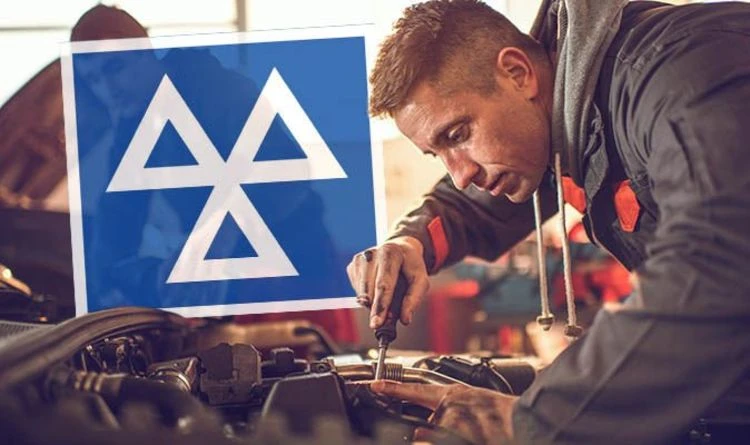
MOT is a comprehensive assessment of the vehicle in which major components of the vehicle are checked. Although the MOT test conducts a detailed evaluation of the crucial components of the vehicle, this test does not include an inspection of all the parts. For instance, the engine, clutch, and gear are some parts that are not directly assessed during the MOT.
But they all have to be prepared well and remain in good condition as they are connected to the other major parts.
As emissions are checked during the MOT for safety reasons, this means that the engine has to be running perfectly in order to make controlled emissions. Therefore, overall car maintenance is essential before you take your vehicle to the MOT test centre.
What is Checked During The MOT?
The majority of the parts of the vehicles are assessed for their functions during the MOT test. It is crucial that you get all parts of your vehicle thoroughly checked for faults before you register for the MOT test. Problems with the suspension, tyres, exhaust, and brakes are often the reasons why most vehicles fail their MOT test.
Here is the list of the parts that were evaluated during the MOT test.
Tyres - Tyres are among the crucial parts of the vehicle and are, therefore, comprehensively assessed during the MOT Newton. The tread depth of the tyres has to be at least 1.6 mm in order for them to be considered legal. Also, tyres need to have proper inflation and should be free from any damage, cuts, cracks, or defects.
Brakes - The brakes should also be working right, and the tyres should respond well to the brakes. There should be a shorter stopping distance. Brake pads and discs should not show any signs of wear and tear. There are different testers in the MOT that assess the functions of the brakes.
Suspension - The suspension system of the vehicle is also checked for its function during the MOT. All the components of the suspension should be working right, as they are responsible for the stability of the vehicle. There should also not be any corrosion or wear in the components such as the shock absorbers, levers, springs, etc.
Steering - Steering should also be in good condition and should not be tilted or off-centred. There should not be any signs of the corrosion of steering pipes, hoses, and other such linked parts. Steering is inspected for its proper functions by MOT testers.
Lights - Lights are checked for perfect illumination. All the lights, such as the indicator lights, headlights, and taillights, should be doing their work properly. If there are any fused or damaged bulbs, then they should be disposed of and replaced with new ones before the MOT test.
Horns - Horns are another thing that is inspected during the MOT test. They should produce continuous and consistent sound spreading evenly around the road. It should also be loud enough in order to be easily audible to the vehicles in the vicinity.
Windscreen - The windscreen of your vehicle is also checked for its condition. If the windscreen is not clean or has any cracks, then it will obstruct the driver’s view and thus, will lead to an MOT failure.
Exhaust - The exhaust system is also checked to make sure that it is making emissions within the permissible limit. If your engine is causing excess or harmful emissions, then this is a potential danger and can make it fail the MOT test.
Seatbelts - Seatbelts should also secure properly to the seat. They should not be worn out and do their function properly.
Towbars - Towbars should be in perfect shape and in their place. In case there are any defects in the towbars, they should be repaired before the MOT.
Doors - Doors and the whole bodywork of the vehicle are also checked during the MOT. Make sure that all the doors are working fine with their latches and hinges secure in their position.
Registration Plates - The registration plates of your vehicle should also be checked for their condition. All the numbers and alphabets should be clearly visible. There should be perfect spacing and forming of the characters.
Adding to the above, wipers, washers, VIN number, fuel system, and the electrical system is also evaluated in the MOT test. At MOT Service Centre, we provide MOT test services at reasonable prices.