Flooding is one of the most damaging natural events a homeowner can face. Water intrusion can destroy foundations damage interiors and create long term safety concerns. Flood Defense Group focuses on educating property owners about practical ways to reduce flood risk through proven planning and professionally supported solutions. Understanding how flood protection works at the residential level helps homeowners make informed decisions before an emergency occurs.
Understanding Residential Flood Risks
Residential flooding can come from storm surge heavy rainfall rising rivers or overwhelmed drainage systems. Each property faces different challenges depending on elevation soil conditions nearby water sources and entry points such as doors garages and basements. Because no two homes are the same effective flood preparedness begins with a site-specific evaluation rather than a one size fits all approach.
Flood Defense Group emphasizes that flood mitigation is not just about stopping water but also about managing pressure flow direction and duration. Temporary and reusable systems are often preferred for residential use because they can be deployed quickly stored efficiently and adapted as conditions change.
Key Components of Residential Flood Defense Systems
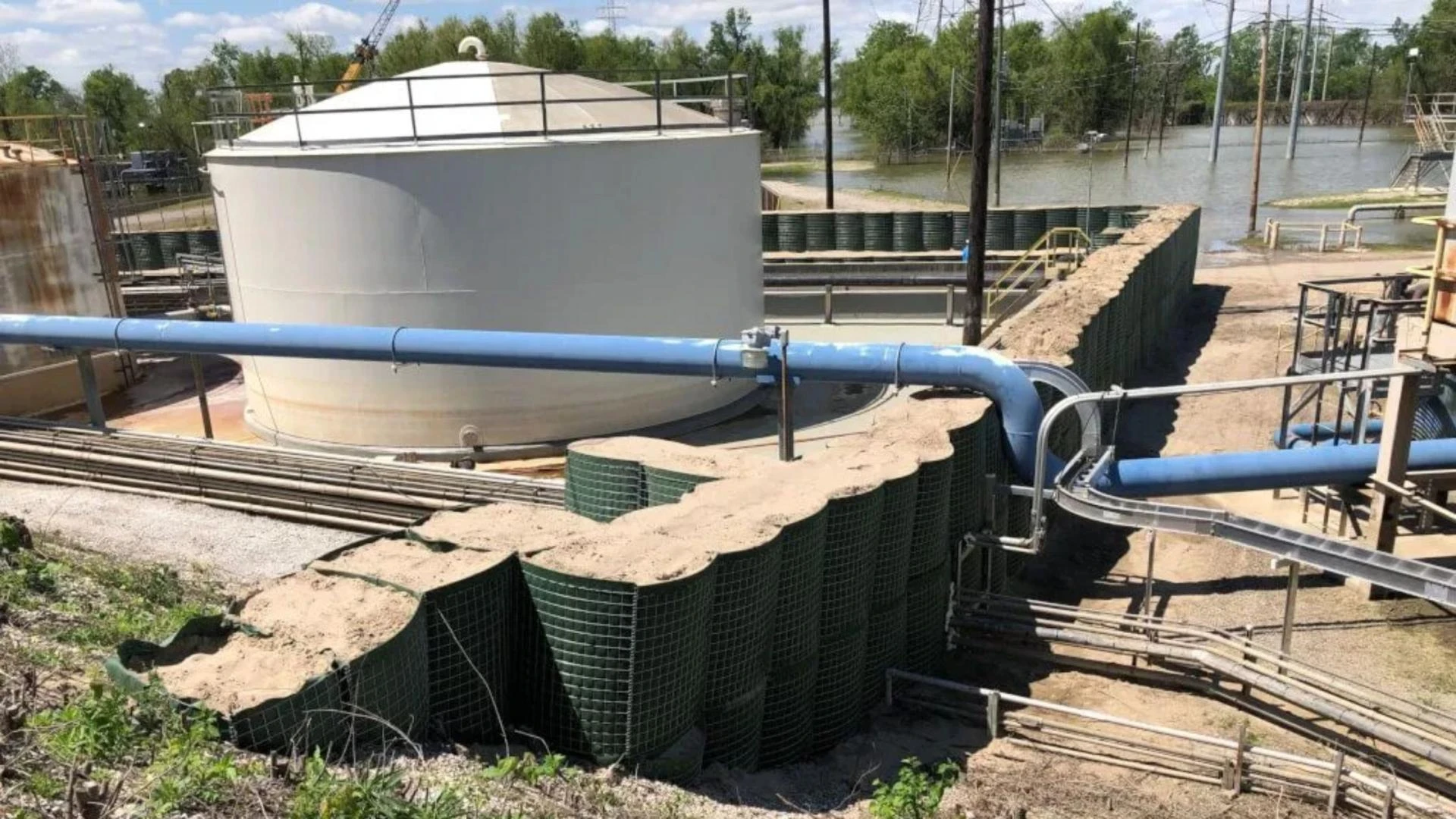
Modern residential protection focuses on flexible solutions that are easy to deploy while still providing reliable performance. Flood Defense Group offers multiple barrier technologies designed to address real world residential conditions including uneven ground limited storage space and rapid deployment needs.
Homeowners should understand the role of different system types such as perimeter barriers entryway protection and water diversion tools. These systems are designed to work with natural water forces rather than against them improving stability and effectiveness during active flooding.
Common residential considerations include
- Protection of doors windows and garage openings
- Temporary perimeter control around yards and driveways
- Systems that require minimal tools and training
All solutions are supported by professional guidance to ensure correct placement and performance when it matters most.
How Flood Protection Solutions Are Selected
Choosing the right flood protection solutions depends on water depth flow speed surface conditions and response time available before flooding begins. Flood Defense Group assists homeowners by evaluating these factors and recommending appropriate systems from their wide product range rather than pushing a single option.
Their approach prioritizes safety ease of use and adaptability. Many residential barriers are designed to be reusable and environmentally responsible while still offering strong resistance to flood forces.
Why Choose Flood Defense Group
Flood Defense Group stands apart because of experience diversity and support. They focus on education planning and real-world performance rather than generic recommendations.
Core strengths include
- Access to one of the largest selections of flood barrier technologies in the country
- Professional guidance tailored to residential properties
- Support for planning deployment and post event recovery
- Proven products used by government and emergency response organizations
This consultative approach ensures homeowners receive solutions that match their actual risk not assumptions.
Educating Homeowners for Long Term Preparedness
Flood preparedness is an ongoing process not a onetime purchase. Flood Defense Group provides homeowners with knowledge about system storage maintenance and deployment timing. Education helps reduce panic during emergencies and improves overall effectiveness when barriers are deployed.
Bottom Line
Residential flood preparedness requires informed planning reliable systems and professional support. Flood Defense Group helps homeowners understand risks choose appropriate protection and prepare with confidence. By combining education product diversity and real-world experience they empower residential property owners to reduce flood damage protect investments and respond effectively when water levels rise.