
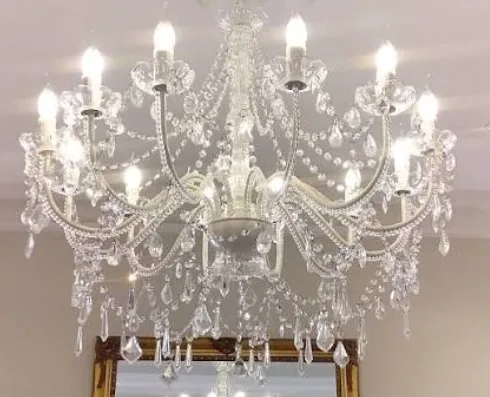
When guests walk into a room, their eyes often travel upward before anything else. A beautifully styled ceiling can turn a plain venue into a showpiece, adding drama, softness and a sense of occasion. That is why custom ceilings have become one of the most talked-about trends in weddings, galas and corporate events. Draped fabric, hanging florals, crystals, greenery and layered lighting can all be combined to create a look that is completely unique to you.
But a ceiling installation is a big design decision, and it needs careful thought. Here's what to consider before you commit.
1. Your Venue's Structure and Rules
The first question is always practical: what can your venue actually support? Ceiling features rely on safe rigging points, and not every space allows them.
Ask your venue:
- Where are the approved hanging or rigging points?
- What is the maximum weight each point can hold?
- Are there restrictions on fixing, clamping or suspending items?
- Is a licensed rigger required?
Heritage buildings, marquees and rooftop spaces all have different requirements. Confirm these details early, because they will shape what is possible and which designs are suitable.
2. Ceiling Height and Room Size
Height and scale make a huge difference to the final look. A low ceiling needs a lighter, more streamlined design so guests don't feel crowded, while a high or vaulted ceiling can handle dramatic, layered installations with plenty of depth.
Measure the room and ask your supplier for dimensions before you book. A good designer will recommend a scale that suits your space, covering the right area without overwhelming it.
3. Your Event Theme and Style
Your ceiling should feel like a natural part of your overall design, not an afterthought. Think about the mood you want:
- Romantic: Soft draping, fairy lights and cascading florals
- Glamorous: Crystal strands, chandeliers and mirrored accents
- Garden or natural: Hanging greenery, foliage canopies and warm, earthy tones
- Modern: Clean lines, geometric frames and minimal lighting
Choose a colour palette that matches your florals, linen and table styling so everything feels cohesive.
4. How the Design Works With Lighting
Lighting can make or break a ceiling installation. The same fabric canopy can look flat under harsh white light and breathtaking under warm, dimmed tones. Discuss lighting early, including whether the ceiling will include built-in fairy lights, chandeliers or uplighting from below.
Consider how the room will look at different times of the event. A ceiling that glows softly at dusk can look entirely different during daytime setup, so ask your supplier for a lighting plan or examples of previous work.
5. Coordination With Ceremony Features
A ceiling doesn't exist in isolation. It should connect visually with the rest of your styling, especially features at ground level. For example, your wedding aisle decor, such as petals, lanterns, floral arrangements or candles, should echo the colours and textures overhead. When the aisle and ceiling work together, the whole ceremony space feels intentional and immersive.
6. Safety and Compliance
Anything suspended above guests must be safe. Reputable suppliers follow strict installation standards, using secure fixings, fire-rated fabrics where required and tested rigging methods.
Ask your supplier about:
- Safety certifications and public liability insurance
- Fire-retardant materials
- How the installation is tested before guests arrive
- Their experience with similar venues
If a supplier can't answer these questions clearly, keep looking.
7. Access, Setup Time and Bump-Out
Custom installations take time to build. Large ceiling designs can require several hours, or even a full day, of setup, plus time for testing and adjustments. Check your venue's access times and whether other events are scheduled before or after yours.
Also confirm bump-out arrangements. Your supplier needs enough time to safely dismantle the installation after the event, so make sure this aligns with your venue's rules.
8. Budget and Value
Custom work is usually priced according to size, materials, complexity and labour. Rather than trying to cover the entire ceiling, many people achieve a striking effect by focusing on key zones, such as the dance floor, head table or ceremony area.
When comparing quotes, check what's included: design consultation, delivery, installation, lighting, dismantling and any additional equipment. A professional wedding ceiling installation often includes several of these services, which can save time and avoid unexpected extra costs.
9. Weather and Environmental Factors
If your event is in a marquee or semi-outdoor space, think about wind, humidity and temperature. Lightweight fabrics can move dramatically in a breeze, which may look beautiful or become a problem. Ask your supplier about weatherproofing, secure fixings and contingency plans for rain or heat.
10. The Supplier's Experience and Portfolio
A great ceiling depends heavily on the people creating it. Look at their portfolio, read reviews and ask whether they have worked in venues similar to yours. A supplier who offers consultation, 3D concepts or sample photos will help you visualise the end result before you commit.
This is where Chandeliers To Die For can make a real difference. With a collection of ceiling installations, chandeliers and statement lighting, their team helps you design custom ceilings that suit your venue, theme and budget, with professional installation from start to finish.
Final Thoughts
A well-designed ceiling can completely change the feel of a room, but the best results come from careful planning. Check your venue's rigging and rules, choose a design that suits your space and theme, think about lighting and safety, and book a supplier you trust. Do this, and your ceiling will become the unforgettable feature everyone talks about long after the event ends.
Frequently Asked Questions
1. What are custom ceilings for events?
They are bespoke overhead installations, often made from draped fabric, hanging florals, greenery, crystals or lighting, designed to transform a venue's ceiling to suit your theme.
2. How far in advance should I book custom ceilings?
Ideally 4 to 8 months ahead, particularly for peak seasons. Complex designs need time for planning, venue approval and preparation.
3. Can custom ceilings be installed in any venue?
Not always. The venue needs safe rigging points and must permit installations. Always check with the venue and supplier before finalising your design.
4. How long does installation take?
It depends on size and complexity. Smaller installations may take a few hours, while large designs can take most of a day. Confirm access times with your venue.