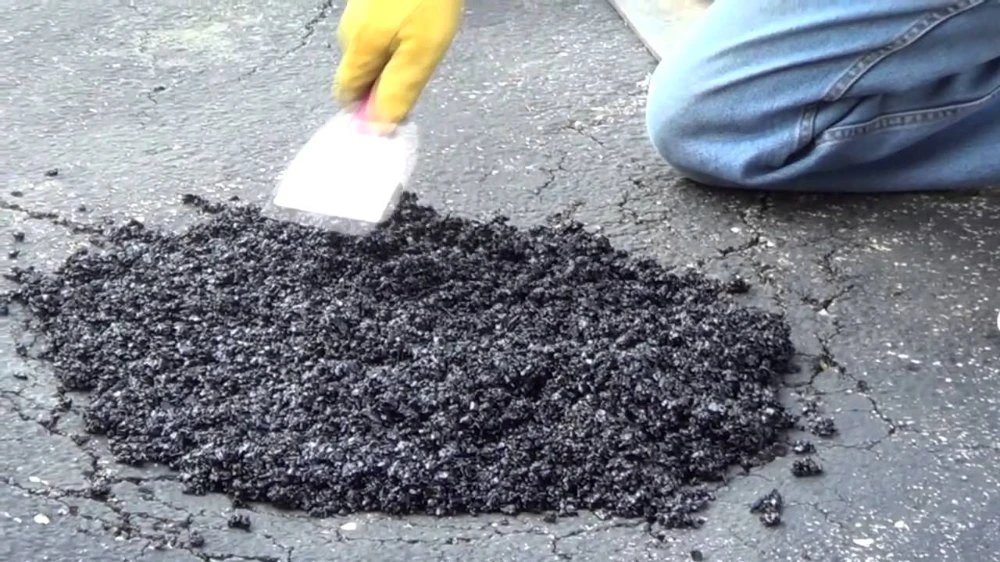
When it comes to maintaining and extending the life of asphalt surfaces, bitumen repairs are a cost-effective and efficient solution. Whether it's patching potholes, sealing cracks, or resurfacing driveways and roads, using the right tools and materials is essential for a durable, long-lasting repair. In this article, we’ll explore the most commonly used tools and materials in bitumen repair projects.
Essential Tools for Bitumen Repairs
1. Crack Cleaning Tools
Before any repair work begins, the damaged area needs to be cleaned thoroughly. Tools like wire brooms, high-pressure blowers, or compressed air systems are used to remove loose debris, dust, and moisture from cracks and potholes. For larger areas, mechanical sweepers may be used.
2. Asphalt Saw or Cutter
If the damaged area requires precise removal of asphalt, a mechanical asphalt saw or cutter helps to create clean edges around the repair zone. This ensures better bonding when new bitumen material is applied.
3. Shovels and Rakes
Manual tools such as flat shovels and asphalt rakes are used to distribute hot or cold mix evenly across the repair site. Rakes are especially useful for levelling and shaping the patch before compaction.
4. Tamping Tools or Plate Compactors
Compaction is a critical part of bitumen repair. Without proper compaction, repaired areas may sink or crack again. For small jobs, hand tampers can be used. For larger areas, vibrating plate compactors or rollers ensure a strong, level surface.
5. Infrared Repair Machines (Optional)
For advanced bitumen repair jobs, infrared heaters are used to heat the existing surface and new bitumen material, allowing for a seamless blend. While not always necessary, this equipment can improve the finish and longevity of the repair.
Materials Used in Bitumen Repairs
1. Cold Mix Asphalt
Cold mix bitumen is ideal for quick, temporary repairs, especially in cooler weather or for emergency pothole fixes. It comes ready to use and does not require heating, making it ideal for smaller jobs or hard-to-reach locations.
2. Hot Mix Asphalt
Hot mix is commonly used for more permanent repairs and resurfacing projects. It requires heating and must be applied while hot, which makes it more labour-intensive but also more durable.
3. Bitumen Emulsion
Bitumen emulsion is a blend of bitumen and water, often used for sealing cracks or as a bonding agent between old and new asphalt layers. It's especially useful for spray sealing and tack coating.
4. Crack Sealant
Rubberised bitumen crack sealants are used to fill hairline cracks and prevent water from seeping in. They remain flexible even as temperatures change, helping to protect the base layer underneath.
Conclusion
Choosing the right tools and materials is essential to ensuring a successful bitumen repair. From basic hand tools to specialised equipment like compactors and infrared machines, every part of the repair process plays a role in creating a smooth, safe, and durable surface.
For those looking for expert Bitumen Repairs Adelaide, it's important to hire professionals who not only understand the repair process but also have access to the right tools and quality materials. The better the preparation and equipment, the longer your asphalt surface will last.