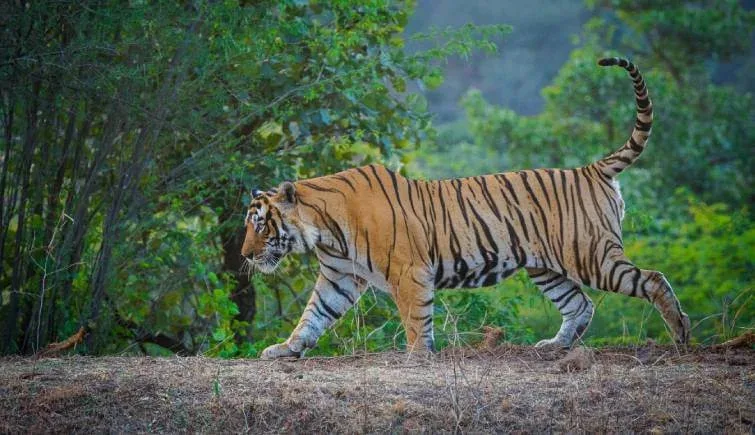
Sundarban is among the most interesting places for wildlife photography. It is known for its mangrove forests, waterways and elusive Royal Bengal Tigers, the area presents a special opportunity for capturing wildlife in a natural setting. But it is quite different to take pictures in the Sundarban than in the open forest or in a conventional safari park. It comes with some preparation, patience, and knowledge of the surroundings, you can really enjoy your photography experience.
Know about the Sundarban Environment
The Sundarban is a huge mangrove area with narrow creeks and rivers, mud-flats and dense vegetation. The vast majority of wildlife photography is performed from boats, which means that your shooting position and movement is constantly changing. Tides, weather, water and the sun can have a big impact on the opportunities for sightings and photos.
Select the suitable Camera and Lens
It is a useful camera if it has excellent autofocus function, fast burst shooting and good ISO sensitivity. A telephoto lens is important to wildlife since they will often be distant or partially obscured by the mangrove cover. Lenses like 100–400mm, 200–500mm or 150–600mm can be very useful for getting a longer range without having to approach animals.
Plan For Changing Light
The light levels may vary rapidly in the Sundarban. The best times for wildlife photography are usually either in the early morning or late afternoon. Be flexible with the ISO and use a shutter speed that will freeze the subject. Faster shutter speeds may help to prevent motion blur for birds and active animals.
Learn Animal Behaviour
It is important to understand wildlife behaviour rather than merely depending on expensive equipment. Be alert for wildlife alarm calls, bird activity, movement in the vegetation, footprints and other signs of wildlife. Some areas where animals are more apt to show up can also be determined with the help of your guide or boat crew.
Be Sure To Take Care Of Your Photo Gear
Sundarban may be humid, wet and problematic for camera equipment. Bring rain gear, lens wipes, waterproof bags, extra batteries and enough memory cards. Safeguard equipment from splashes when in transit by boat. To protect from water and humidity, have a dry bag.
Be Patient and Respectful
Patience is key to wildlife photography. Hours can pass in a creek, with no sighting of a Tiger or anything else of such magnitude. Take photos of birds, crocodiles, spotted deer, mangrove scenes, reflections, and local flora and fauna or activities instead of getting frustrated.
The principle one though is stick to the rules of the game when it comes to wildlife – and don't disobey your guide. Stay away from animals and do not approach them for a better picture!
Take A Thoughtful Approach To Planning Your Photography Tour
Opting for the right time of the year, lodging, boat safari and experienced guide can make a big difference in how you enjoy the experience. A well planned Sundarban Wildlife Photography Tour allows the photographers to spend more time to search for suitable habitats and wildlife responsibly.
Realistic expectations, patience, and respecting nature, along with the proper equipment, can offer wonderful opportunities for the wildlife photographer in the Sundarban. This isn't just about capturing a rare animal, it's about recording the beauty and behaviour of wildlife in one of the world's most amazing mangrove ecosystems.