
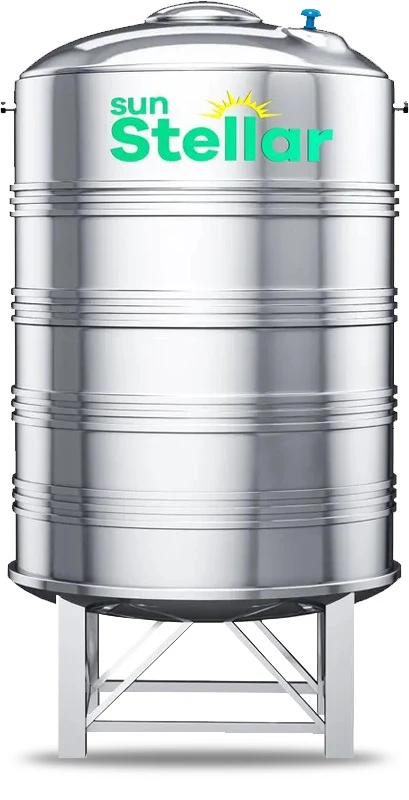
The type of material that is used in constructing water tanks is vital in providing a longer period of water security, hygiene, and longevity. Stainless steel has become one of the most preferred materials because it is corrosion-resistant, strong, and low-maintenance. Not every grade of stainless steel does the same, though. When you grasp what grade is the most suitable for water tanks, then you will be able to make a smarter and more dependable investment.
Reasons why Stainless Steel Is Best When Storing Water
Stainless steel is a non-porous material, and this implies that it does not allow penetration of bacteria, algae, or other contaminants into its surface. Stainless Steel Water Tank is also resistant to rust and does not change the taste and quality of water, as well as it works in different temperature and environmental conditions. The key is in choosing the correct grade depending on the quality of water and its use, and location.
Usual Stainless Steel Grades to use in Water tanks
SS 316L -A Well-known and Trustworthy One
The most widely used SS 316L is a water tank stainless steel grade. It also includes molybdenum, which greatly provides resistance to corrosion, particularly in surroundings that encounter moisture, chlorides, or slightly saline water.
The L is the indicator of low carbon that eliminates the threat of carbide precipitation during the process of welding. This renders SS 316L the best choice for tanks that need to be fabricated extensively. Generally, it is used in residential, commercial, and industrial water storage systems where hygiene and life cycle are the most important factors.
Best suited for:
- Drinking water storage
- Mediterranean or wet conditions.
- Commercial and residential properties.
Titanium-Stabilized SS 316Ti - Improve High-temperature Performance
SS 316Ti is a form of titanium-stabilized SS 316. Titanium addition enhances resistance to intergranular corrosion, especially at high temperatures. Although the operation of water tanks does not typically entail extreme temperatures, this grade will provide an additional level of stability in instances of warm water storage or changing thermal conditions.
This grade is a little higher than SS 316L; however, it has better performance in high-performance situations where structural integrity in the long term needs to be taken seriously.
Best suited for:
- Industrial water tanks
- Hot water storage systems
Super Duplex SS 2205- Excellent Strength and Corrosion Protection
Super Duplex SS 2205 is a composite material that exhibits great resistance to corrosion. It also works very well under harsh conditions where there is a high level of chloride or water that is chemically aggressive.
A Stainless Steel Water Tank fabricated by using Super Duplex SS 2205 is usually selected when an extensive or critical installation failure is not an option.
Best suited for:
- Water tanks in industries and cities.
- Salty areas and coastal.
- High-pressure or large-capacity tanks
So, Which Grade Is the Best?
It does not have a one-size-fits-all answer. The optimal stainless steel grade will be determined by the manner and place of water tank application:
- In general drinking and household use, SS 316L is economical, hygienic, and dependable.
- To achieve increased temperature or industry, SS 316Ti has increased stability and corrosion resistance.
- In extreme conditions and longevity, Super Duplex SS 2205 provides excellent strength and resistance that is unparalleled.
The appropriate grade will give you a long-lasting, maintenance-free, and safe Stainless Steel Water Tank that will last you decades.
Final Thoughts
Purchasing a stainless steel water tank is a long-term plan that has a direct influence on the quality of water and the reliability of the system. The comparison of SS 316L, SS 316Ti, and Super Duplex SS 2205 will enable you to select a material that best suits your environmental factors and usage needs. You will be putting your own level of grade, so you will guarantee high performance, cleanliness, and satisfaction in the future.