
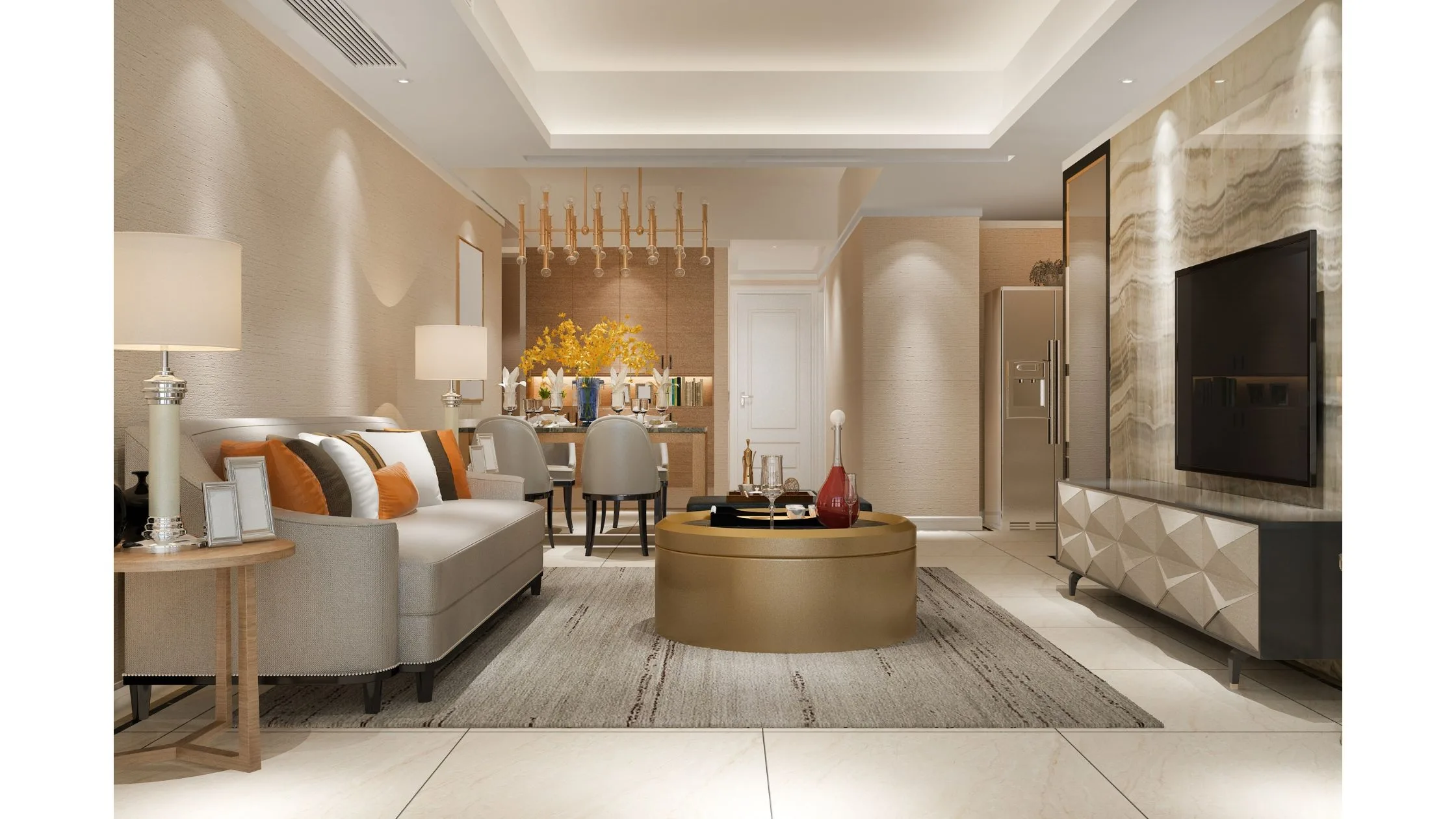
A full home renovation changes layout, finishes, and furniture. Each choice affects the next one. The order of design work matters. Skilled interior design services give the project a clear plan. Each stage builds on the one before it. Each service has a defined role. These services protect the budget and the schedule.
What Does the First Consultation Cover?
The consultation sets the scope of the work. The designer records the client’s goals for each room. The designer reviews the floor plan. A budget is set for each room. A clear scope prevents costly changes once work starts on site. It gives the contractor a firm base for pricing. Firm goals lead to firm costs and a realistic schedule.
How Does Space Planning Shape the Project?
A layout drawn for luxury interior design sets balanced proportions and open views for every room. Space planning turns a list of needs into a layout. The designer measures each room and tests furniture options. The designer studies how people move between spaces. Each later choice, from cabinet size to rug size, follows this plan. The contractor receives exact measurements. A precise plan costs less than a change made during the build.
How Are Finishes and Materials Selected?
The designer picks flooring, tile, countertops, paint, and cabinet details as one palette. Every surface works with the next. One palette prevents mismatched tones across rooms. Hardware and wall colors follow the same palette. Kitchen finishes must resist heat and stains. For interior design services in California, the palette responds to strong daylight and local building styles.
What Role Do Custom Woodwork and Furniture Play?
Custom woodwork gives a project lasting character. Built-in shelves and cabinets fit the exact size of each room. They replace stock furniture where space is limited. The designer details each piece and picks the wood and finish. The craftsman works from clear instructions. Each piece is sized to the room before production starts.
Furniture comes after the main work ends. The designer picks pieces for scale, comfort, and durability. Each purchase is checked against the budget before the order is placed. This level of detail defines luxury interior design in California, where craftsmanship matters as much as style.
How Does Project Management Control the Schedule?
Project management links every trade to one plan. The designer sets the order of work. The designer acts as the link between client and contractor. Each trade works from the same schedule. Delays in one trade affect all the others. Three tasks control the project:
- Schedule: delivery dates match each work stage, and task order changes when delays occur
- Budget: each purchase is checked against the approved allowance
- Communication: decisions reach the contractor in writing, so no detail is lost
Careful oversight of this kind reflects interior design services that treat the project as one plan.
When Should Design Work Begin?
Design work should begin before any wall comes down. Early work lets the designer set sizes, materials, and delivery times with the contractor. The National Kitchen & Bath Association notes that early teamwork among designers and contractors reduces rework. A designer sees problems before they delay the job. A project planned in this order runs with fewer stops. Each choice made at this stage costs less to change than one made after work starts on site. Custom items need the most time to produce. Late orders delay every trade that follows.
A plan from interior design services in California places each item on the schedule from the first meeting.
Final Thought
A complete renovation needs services in a clear order. These are consultation, space planning, finish selection, custom woodwork, furniture purchase, and project management. Each service protects the work done before it. Each one prepares the work that follows. Clear order protects both the budget and the schedule.
Michael Trahan, a Certified Interior Designer serving the Bay Area, applies this order to home and office projects. A qualified designer turns a complex project into an orderly one. Missing one step creates gaps that raise costs. That is the standard expected from luxury interior design in California.