In today’s fast-paced manufacturing landscape, efficiency, durability, and reliability have become more critical than ever. As companies strive to optimize their production lines, the selection of conveyor belts — a fundamental component of material handling systems — demands careful consideration. Among the various conveyor belt materials available, the PU conveyor belt has emerged as one of the smartest choices for modern manufacturing industries.
What is a PU Conveyor Belt?
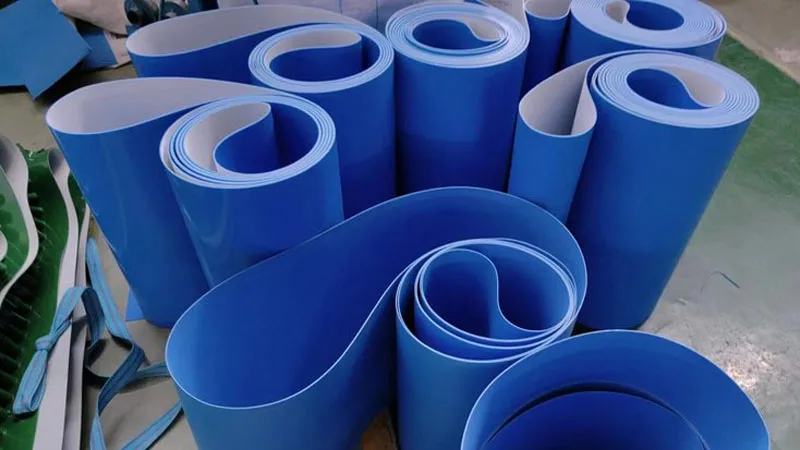
It’s crucial to understand what a PU conveyor belt is. PU stands for polyurethane — a high-performance polymer known for its exceptional elasticity, durability, and resistance to a wide variety of chemical and mechanical challenges. Unlike traditional rubber belts, PU conveyor belts combine strength with flexibility, resulting in an ideal solution for transporting items smoothly and efficiently through various manufacturing stages.
Typically, PU conveyor belts consist of a polyurethane top cover layer and a durable backing layer made of fabric or other materials. This structure ensures excellent surface smoothness, resistance to abrasion, and energy transfer efficiency.
Why PU Conveyor Belts are Ideal for Modern Manufacturing
1. Superior Durability and Wear Resistance
One of the primary benefits of PU conveyor belts is their remarkable durability. Polyurethane is significantly resistant to abrasion, cuts, and tears compared to many rubber or PVC alternatives. This means that PU belts can withstand heavy loads, sharp or abrasive objects, and continuous operational stress without degrading quickly.
This durability translates into longer service life and less frequent downtime for maintenance or belt replacement, which is essential in high-volume manufacturing where every minute counts.
2. Chemical and Oil Resistance
Manufacturing environments often expose conveyor belts to oils, solvents, chemicals, and other aggressive substances. PU conveyor belts naturally resist most chemicals and oils, making them ideal for industries like automotive, pharmaceuticals, electronics, and food processing, where regular exposure to such substances is commonplace.
Moreover, their resistance helps prevent contamination, protects the integrity of the products being carried, and reduces the risk of belt degradation over time.
3. High Flexibility and Low Noise Operation
Another key advantage of PU conveyor belts is their excellent flexibility, allowing for use in complex conveyor configurations such as curved or inclined conveyors without compromising performance. This flexibility also facilitates smoother operation with less noise, a significant benefit for improving workplace conditions and reducing noise pollution in manufacturing facilities.
4. Hygiene and Food Safety Compliance
Modern manufacturing, especially in the food and pharmaceutical sectors, requires strict adherence to hygiene standards. PU belts are highly hygienic due to their smooth, non-porous surfaces that resist bacterial growth and are easy to clean. The PU conveyor belt is manufactured to comply with FDA and EU food safety regulations, making it the ideal choice for food-grade applications.
5. Enhanced Grip and Product Handling
Thanks to customizable surface textures and a high coefficient of friction, PU conveyor belts can be engineered to provide optimal grip, preventing product slippage during transportation. Whether you are conveying small, delicate items or heavier products, PU belts ensure stable and reliable handling.
Applications of PU Conveyor Belts in Modern Manufacturing
Given these advantages, PU conveyor belts have found wide adoption across many manufacturing sectors:
- Food and Beverage: For hygienic and efficient transportation of freshly baked goods, snacks, fruits, and packaged products.
- Pharmaceuticals: Where cleanroom standards and contamination-free conveyors are critical.
- Automotive: For parts assembly lines that require belts resistant to oils, greases, and cutting debris.
- Electronics and Semiconductors: Where static dissipative PU belts protect delicate components during handling.
- Printing and Packaging: For smooth, precise, and damage-free material movement.
These examples underscore the versatility and reliability that PU conveyor belts bring to diverse manufacturing demands.
How to Choose the Right PU Conveyor Belt for Your Manufacturing Process
Selecting the correct PU conveyor belt involves several considerations. Firstly, analyze your operational requirements, including load capacity, conveyor length, speed, and environmental factors such as temperature and chemical exposure.
Next, evaluate belt specifications like thickness, tensile strength, surface texture, and backing material. High-quality PU belts often feature reinforced fabric backings, such as polyester or nylon, to enhance mechanical stability.
Moreover, certification standards and compliance with industry-specific regulations (e.g., food-grade or anti-static) must be factored into your decision-making process.
Benefits of Working with Shanghai Puteken Transmission System Co., Ltd.
At Shanghai Puteken Transmission System Co., Ltd., we specialize in providing tailored PU conveyor belt solutions that meet the exacting requirements of modern manufacturing. Our advanced manufacturing capabilities, rigorous quality control, and deep expertise ensure that clients receive durable, efficient, and compliant belts that maximize productivity and reduce operational interruptions.
Choosing the right conveyor belt material is imperative for manufacturing success. With their unmatched durability, chemical resistance, hygienic properties, and operational versatility, PU conveyor belts have become the smart choice for modern manufacturers aiming to boost productivity, ensure product quality, and maintain compliance.
Whether your needs involve complex conveyor configurations, food safety, or exposure to harsh chemicals, PU conveyor belts deliver performance that rubber or PVC belts simply cannot match.
Frequently Asked Questions (FAQ)
1. What industries are best suited for PU conveyor belts?
PU conveyor belts are highly versatile and used extensively in food processing, pharmaceuticals, automotive, electronics, printing, packaging, and chemical industries.
2. How is a PU conveyor belt different from a rubber conveyor belt?
PU belts provide superior wear resistance, chemical resistance, hygienic properties, and flexibility compared to rubber belts. Additionally, they generate less noise and are easier to maintain.
3. Are PU conveyor belts safe for food contact?
Yes. Many PU conveyor belts meet FDA and EU food-grade standards, making them suitable and safe for direct food contact applications.
4. How long do PU conveyor belts typically last?
Depending on the specific application and maintenance, PU conveyor belts can last several years, offering longer service life compared to conventional belts due to their resistance features.
5. Can PU conveyor belts be customized?
Absolutely. PU conveyor belts can be customized in terms of width, length, thickness, surface texture, and backed material to fit precise manufacturing needs.
6. Are PU conveyor belts resistant to oils and chemicals?
Yes, PU materials exhibit excellent resistance to a wide range of oils, solvents, and chemicals, which helps extend belt life and avoid contamination.
7. What operating temperature range can PU conveyor belts handle?
Generally, PU conveyor belts operate effectively in temperatures ranging from -40°C to +80°C, with some specialized formulations extending beyond this range.