In the modern construction industry, designing buildings that are energy-efficient, comfortable, and cost-effective requires careful planning. One of the most critical aspects of this process is developing an accurate HVAC layout plan. Whether it’s a residential project, commercial property, or industrial facility, the HVAC (Heating, Ventilation, and Air Conditioning) system plays a vital role in ensuring a healthy and controlled indoor environment.
In this article, we’ll explore why an HVAC layout plan is so important, its role in construction projects, and how professional services like EngineerTeam can help deliver reliable designs that save time, money, and energy.
What is an HVAC Layout Plan?
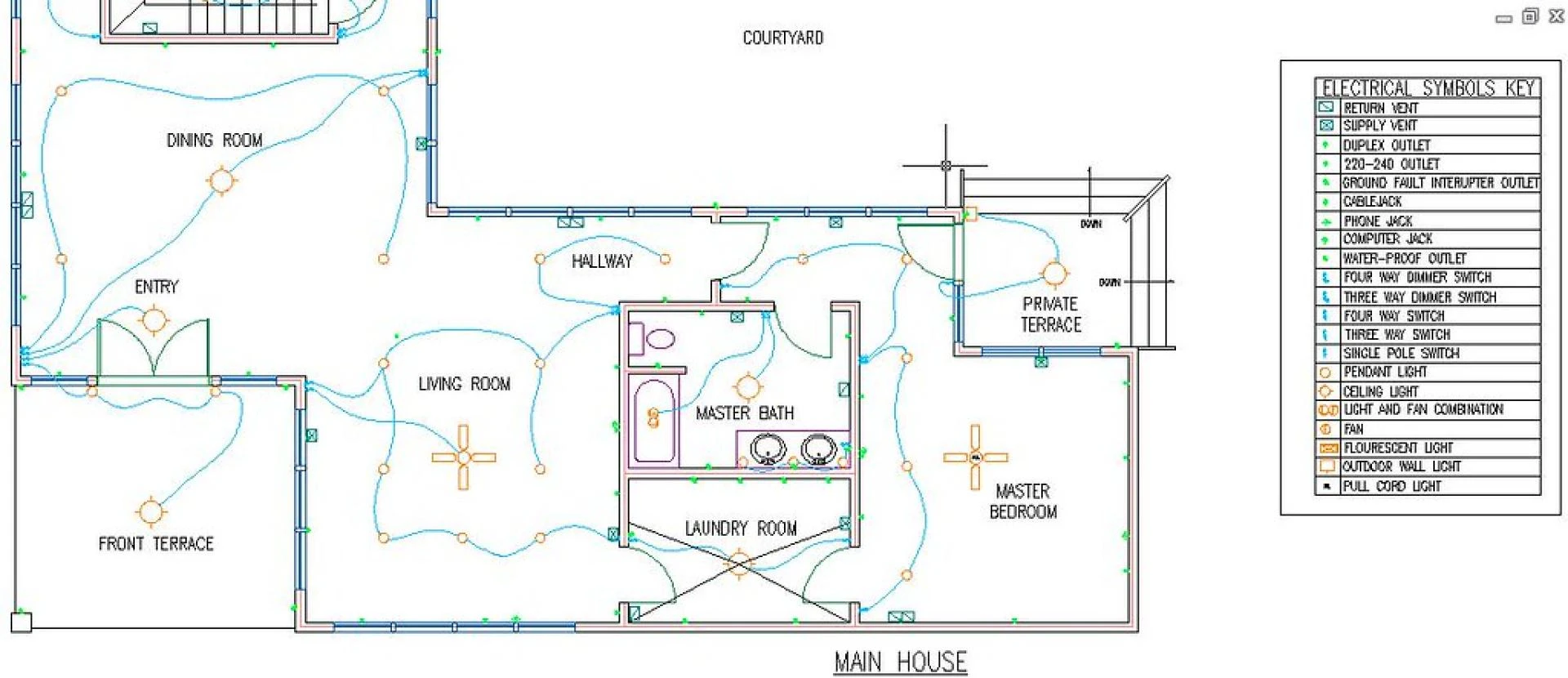
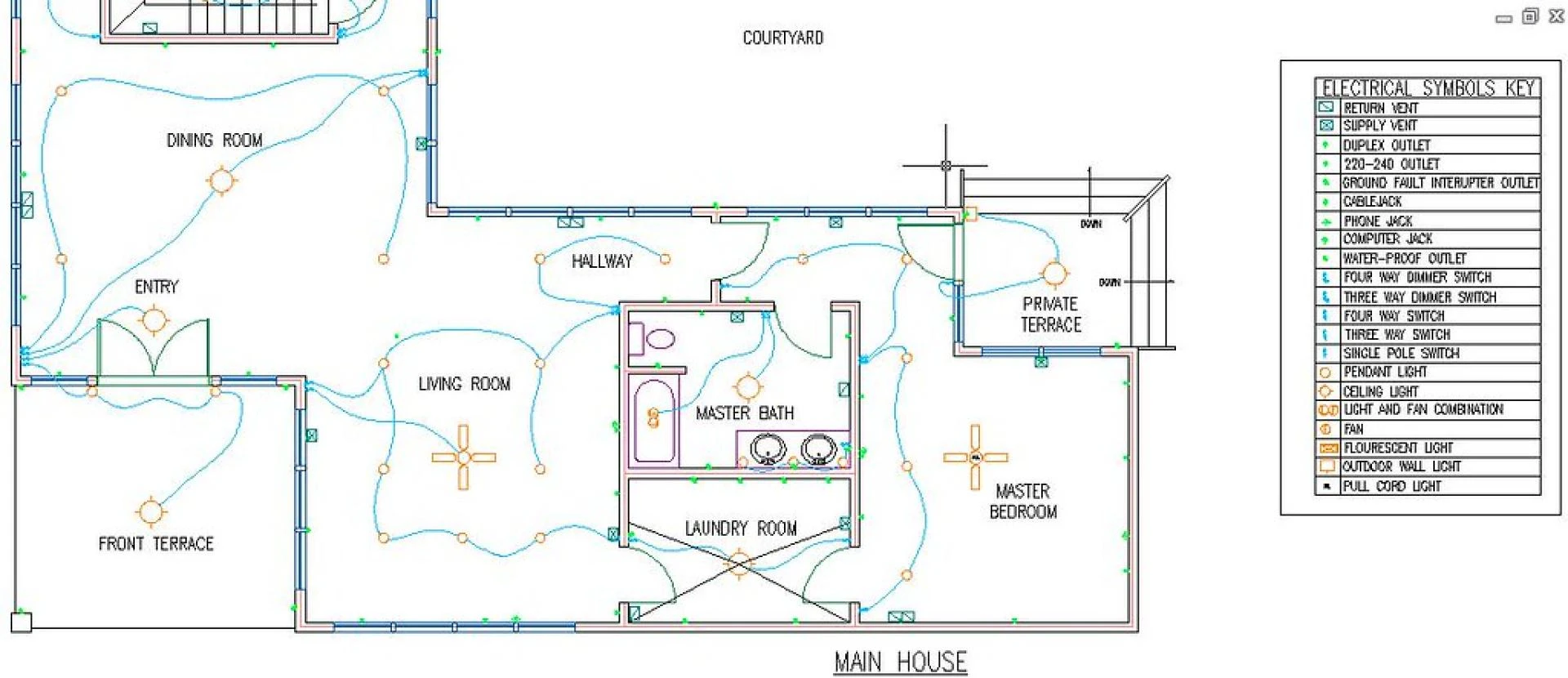
An HVAC layout plan is a detailed drawing that shows the placement of ducts, vents, pipes, and mechanical equipment such as air handlers, chillers, and boilers within a building. This plan ensures that:
- Air distribution is balanced and efficient.
- Energy usage is minimized.
- Occupants receive adequate heating, cooling, and ventilation.
- The system complies with building codes and safety standards.
Without a proper HVAC design, construction projects may face issues such as uneven temperatures, high energy bills, and poor indoor air quality.
Importance of an Accurate HVAC Layout Plan in Construction
1. Improved Energy Efficiency
Energy consumption is one of the biggest concerns in modern buildings. An accurate HVAC layout ensures that ducts and vents are strategically placed to reduce energy loss. For example, shorter duct runs and optimized air distribution reduce the load on heating and cooling units, which lowers utility costs in the long run.
2. Enhanced Comfort for Occupants
A well-designed HVAC plan ensures that every room receives consistent airflow and maintains stable temperatures. Whether it’s a commercial office or residential apartment, proper HVAC layouts eliminate hot and cold spots, making indoor environments more comfortable.
3. Cost Savings During Construction
Mistakes in HVAC planning can lead to costly modifications during construction. By preparing a precise HVAC layout in the design stage, contractors avoid rework, saving both time and money.
4. Compliance with Building Codes
Building authorities require HVAC systems to follow safety and efficiency standards. An accurate HVAC layout ensures compliance with ASHRAE, NFPA, and local building codes, reducing the risk of legal or regulatory issues.
5. Improved Indoor Air Quality (IAQ)
Good ventilation is essential for occupant health. HVAC layouts that include proper duct sizing and airflow management reduce dust, allergens, and pollutants, leading to cleaner and safer indoor environments.
6. Support for Sustainable Construction
With the growing focus on green building design, accurate HVAC layouts help integrate sustainable practices such as energy recovery systems, demand-controlled ventilation, and renewable energy integration.
Key Elements of an Effective HVAC Layout Plan
To achieve maximum efficiency, HVAC layouts must include:
- Ductwork Design: Proper sizing and routing to minimize pressure drops.
- Equipment Placement: Correct positioning of units like AHUs, chillers, and condensers.
- Airflow Distribution: Balanced supply and return air for each zone.
- Load Calculations: Accurate HVAC load calculations to size equipment correctly.
- Zoning Strategy: Dividing spaces into zones for better control and efficiency.
- Plumbing and Piping Layouts: Integration with chilled water, hot water, and refrigerant systems.
Common Problems Caused by Poor HVAC Planning
If an HVAC layout is not designed correctly, it can cause:
- Uneven heating and cooling.
- Excessive noise from ducts or equipment.
- Increased energy consumption.
- Frequent maintenance and system breakdowns.
- Reduced building lifespan due to poor ventilation.
These issues not only affect comfort but also add unnecessary costs for property owners.
Role of Professional HVAC Design Services
Hiring experienced professionals for HVAC layout planning ensures accuracy and efficiency. Companies like EngineerTeam specialize in providing detailed HVAC drawings, load calculations, and BIM-based design solutions that align with modern construction needs.
With advanced tools such as AutoCAD, Revit, and BIM modeling, professional engineers ensure that HVAC systems integrate seamlessly with electrical, plumbing, and structural components of the building.
Benefits of Partnering with EngineerTeam
Choosing EngineerTeam for HVAC layout planning brings several advantages:
- Expertise in MEP Design: Skilled engineers who understand all aspects of Mechanical, Electrical, and Plumbing systems.
- Tailored Solutions: Custom HVAC layouts designed for residential, commercial, and industrial projects.
- Energy Efficiency Focus: Designs that optimize airflow and reduce energy consumption.
- 3D BIM Modeling: Clash-free designs that minimize construction conflicts.
- On-Time Delivery: Fast turnaround for drawings and revisions.
By working with EngineerTeam, contractors and architects can ensure their projects achieve maximum comfort, efficiency, and compliance.
Conclusion
An accurate HVAC layout plan is not just a technical drawing—it is the backbone of efficient, cost-effective, and sustainable construction. From improving comfort and air quality to reducing energy bills and avoiding construction delays, a proper HVAC design is essential for any modern building project.