Continuous manufacturing operations depend on reliable machinery, efficient production processes, and consistent product quality. Industries that process large quantities of materials require drying systems capable of operating for extended periods without unnecessary interruptions. Moisture removal is an important stage in many manufacturing processes because excess moisture can affect product quality, storage conditions, processing efficiency, and overall production costs. Belt dryers provide a practical solution by allowing materials to move continuously through controlled drying zones. These systems are commonly used in food processing, chemical production, agriculture, pharmaceuticals, and other industrial applications. An experienced belt dryer manufacturer can provide suitable drying solutions designed to meet specific production requirements. Understanding their operation and benefits helps manufacturers select effective drying systems for their facilities.
Understanding Belt Dryers in Industrial Manufacturing
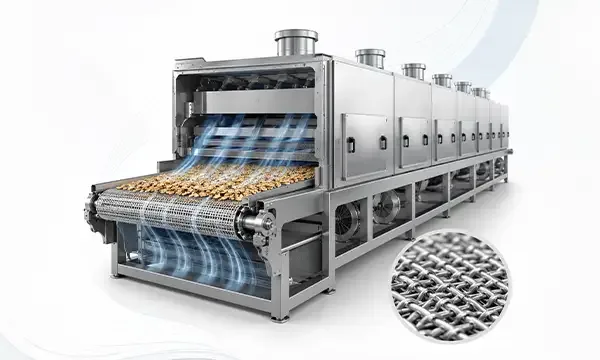
Belt dryers are industrial machines designed to remove moisture from materials while they travel along a moving conveyor belt. The drying process generally involves passing heated air through or over the material as it moves through different sections of the equipment.
Unlike batch drying systems, which process materials in separate quantities, belt dryers support continuous production. Materials enter the system at one end, move through controlled drying areas, and leave the equipment after reaching the required moisture level.
How Belt Drying Systems Operate
A typical belt dryer consists of a conveyor belt, heating system, air circulation equipment, drying chambers, and control mechanisms. Materials are distributed evenly across the belt to support consistent moisture removal.
As the conveyor moves, heated air circulates through the drying chamber. Temperature, airflow, belt speed, and humidity can be adjusted according to the characteristics of the material being processed.
This controlled operation allows manufacturers to maintain consistent drying conditions while processing different materials.
Supporting Continuous Production Processes
One of the main advantages of belt dryers is their ability to operate continuously. Manufacturing facilities often need equipment that can handle large production volumes without frequent stopping and restarting.
Belt drying systems help maintain a steady flow of materials throughout the production line. This reduces unnecessary interruptions and supports better coordination between different manufacturing stages.
Reducing Production Downtime
Batch drying systems may require additional time for loading, unloading, and preparing materials between cycles. These activities can slow down production, particularly in facilities handling large quantities.
Continuous belt dryers reduce the need for repeated manual handling because materials move through the drying process automatically. This helps manufacturers improve production scheduling and use available operating time more effectively.
Increasing Processing Capacity
Manufacturing businesses often need to increase production capacity as market demand grows. Belt dryers can support higher processing volumes through adjustable conveyor speeds, wider belts, and multiple drying sections.
The ability to process materials continuously makes these systems suitable for facilities that require dependable large-scale production.
Improving Product Quality and Drying Consistency
Product quality is an important consideration in every manufacturing operation. Uneven moisture levels can affect material characteristics, product performance, storage stability, and final appearance.
Belt dryers provide controlled drying conditions that help maintain consistent moisture removal throughout the production process.
Maintaining Uniform Moisture Levels
The distribution of materials across the conveyor belt plays an important role in achieving uniform drying. When materials are spread evenly, heated air can reach different areas more effectively.
Adjustable airflow and temperature settings help manufacturers manage drying conditions according to specific product requirements. This reduces the possibility of uneven drying and supports more predictable results.
Protecting Sensitive Materials
Some industrial materials can be damaged by excessive heat or unsuitable drying conditions. Food products, agricultural materials, chemical ingredients, and other sensitive substances may require carefully controlled temperatures.
Belt dryers allow operators to adjust operating conditions to match material characteristics. Proper control helps reduce the risk of overheating, discoloration, and unwanted changes in product structure.
Improving Energy Efficiency in Manufacturing Facilities
Energy consumption is a major operating expense for many manufacturing businesses. Drying processes can require considerable energy, especially when large quantities of moisture must be removed.
Modern belt drying systems can incorporate efficient heating arrangements, controlled airflow, insulation, and heat recovery solutions to reduce unnecessary energy losses.
Better Airflow Management
Effective airflow helps distribute heat throughout the drying chamber. Poor air circulation can create uneven temperatures and increase the time required to remove moisture.
Well-designed systems use fans, ducts, and adjustable air distribution arrangements to maintain suitable drying conditions. This helps improve process efficiency and reduce wasted energy.
Heat Recovery Opportunities
Some industrial drying systems use heat recovery technology to capture and reuse energy from exhaust air. This can reduce the amount of additional heating required during operation.
The actual energy savings depend on material properties, operating temperatures, system design, and production conditions. However, efficient heat management can contribute to lower long-term operating expenses.
Applications Across Different Industries
Belt dryers are used in several industries because they can process different types of materials with suitable adjustments.
Their continuous operation makes them particularly useful for businesses that handle high production volumes and require consistent drying results.
Food and Agricultural Processing
Food manufacturers use belt dryers to remove moisture from fruits, vegetables, herbs, grains, and other agricultural products. Controlled drying helps improve storage stability and supports further processing.
Agricultural facilities also use drying systems to prepare materials for packaging, transportation, and storage.
Chemical and Pharmaceutical Manufacturing
Chemical manufacturers may require moisture removal from powders, granules, and other processed materials. Belt dryers can provide controlled drying conditions for suitable applications.
In pharmaceutical production, drying requirements must follow strict product specifications and hygiene standards. Equipment selection depends on material sensitivity, contamination control, and process requirements.
Industrial and Environmental Applications
Belt dryers can also support the processing of industrial residues, biomass, and selected waste materials. Removing excess moisture can make these materials easier to handle, transport, store, or use in additional processing operations.
Choosing Suitable Industrial Drying Equipment
Selecting appropriate drying machinery requires evaluating production requirements, material characteristics, available space, and operating costs. Different applications may require different heating technologies, conveyor designs, and airflow arrangements.
Manufacturers should consider equipment capacity, temperature control, maintenance requirements, and compatibility with existing production lines.
Working with an experienced belt dryer manufacturer can help businesses identify suitable configurations based on their processing needs. Proper equipment selection is important for achieving consistent drying performance, maintaining production efficiency, and supporting long-term operational reliability.
Considering Material Characteristics
Before selecting a drying system, manufacturers should evaluate the moisture content, particle size, density, and heat sensitivity of the material.
These characteristics influence drying time, airflow requirements, operating temperatures, and conveyor speed. Testing materials before installation can help determine suitable operating conditions.
Evaluating Automation and Control Features
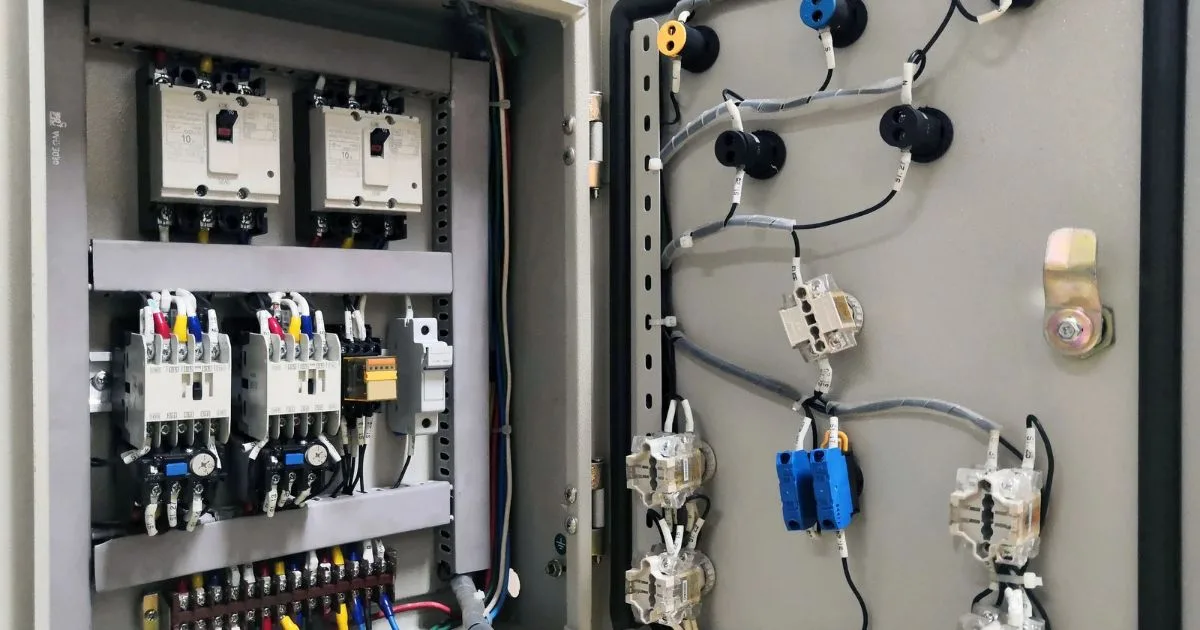
Modern manufacturing facilities increasingly depend on automated production systems. Belt dryers with suitable sensors, monitoring equipment, and adjustable controls can help operators maintain stable drying conditions.
Automation can also reduce manual intervention and improve coordination with other production machinery.
Maintenance Practices for Reliable Operation
Regular maintenance is essential for keeping belt dryers operating efficiently. Continuous production places considerable demands on conveyor components, fans, heating systems, and control equipment.
Operators should inspect conveyor belts for wear, maintain proper belt alignment, and check rollers and drive mechanisms. Air filters and ventilation components should also be cleaned regularly to maintain effective airflow.
Heating elements, electrical connections, sensors, and safety systems require periodic inspection. Following recommended maintenance schedules helps reduce unexpected equipment failures and supports consistent production.
Conclusion
Belt dryers play an important role in continuous manufacturing operations by providing reliable moisture removal, consistent product quality, and efficient material processing. Their ability to handle large production volumes makes them valuable across food processing, agriculture, chemical manufacturing, pharmaceuticals, and other industrial sectors. Proper airflow management, temperature control, automation, and regular maintenance help improve overall drying performance. Selecting suitable industrial drying equipment according to specific production requirements can also reduce operational challenges and support long-term efficiency. By working with an experienced belt dryer manufacturer and investing in appropriate drying technology, businesses can maintain smoother production processes, improve material handling, and achieve dependable manufacturing results.