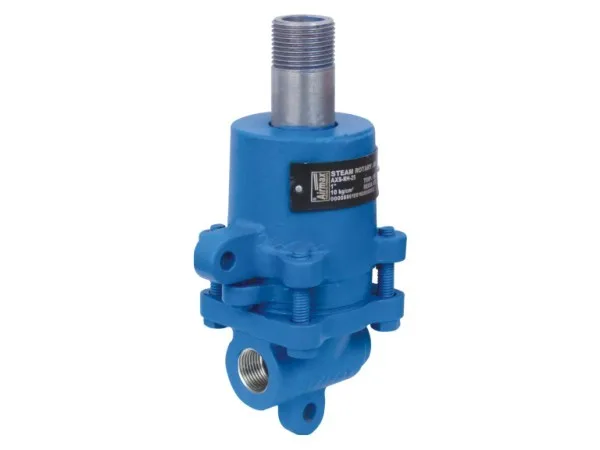
Industrial machinery often requires the transfer of fluids, gases, steam, and thermal media between stationary pipelines and rotating equipment. This process is common in manufacturing systems where rollers, drums, cylinders, and other components rotate continuously during production. A rotary joint makes this transfer possible by maintaining a connection between stationary and rotating parts.
The quality and suitability of a rotary joint can influence leakage control, operating stability, maintenance requirements, and overall equipment performance. An unsuitable joint may lead to media leakage, unexpected maintenance, production interruptions, or difficulties maintaining the required process conditions.
For industrial buyers searching for a rotary joint manufacturer in India, it is important to understand why product quality matters and which technical factors should be evaluated before purchasing. Airmax Pneumatics is a company to consider when exploring rotary joint requirements for industrial fluid and media transfer applications.
1. What Is the Role of Rotary Joints in Fluid Transfer?
A rotary joint is a mechanical connection designed to transfer a medium between a stationary supply system and rotating machinery. It allows the rotating equipment to operate while maintaining the required fluid or gas connection.
For example, an industrial roller may require steam or thermal oil to maintain a particular operating temperature. A rotary joint connects the stationary supply pipeline to the rotating roller, allowing the medium to circulate through the equipment.
Depending on the application, rotary joints may be designed for steam, water, thermal oil, compressed air, hydraulic oil, and other compatible process media.
2. Why Does Rotary Joint Quality Matter?
Rotary joints are exposed to mechanical movement, pressure, temperature, and continuous media transfer. Their construction and material quality therefore matter for dependable operation.
Effective Leakage Control
One of the most important functions of a rotary joint is to maintain a controlled connection between stationary and rotating components. Sealing components help minimise leakage during operation.
The sealing arrangement must be compatible with the process medium, temperature, pressure, and rotational speed. Selecting an unsuitable seal can lead to leakage, increased maintenance, and operational problems.
Consistent Media Transfer
Industrial processes may depend on a continuous supply of steam, water, oil, or other media. A properly selected rotary joint helps maintain the required connection during equipment rotation.
This is particularly important in manufacturing processes where interruptions in heating, cooling, or fluid circulation can affect production conditions.
Reliable Mechanical Operation
A rotary joint must accommodate the movement of rotating equipment while operating within its specified limits. Suitable bearings, sealing components, housing materials, and internal construction contribute to its mechanical performance.
Manageable Maintenance Requirements
A suitable rotary joint, installed and maintained according to the manufacturer's instructions, can help reduce avoidable maintenance problems. Easy access to service components and clear maintenance guidance can also support equipment management.
3. Which Industries Depend on Rotary Joints?
Rotary joints are used in several industries where continuous fluid or media transfer is required.
Paper and pulp industry: Paper manufacturing machinery uses rotating cylinders and rollers that may require steam or water circulation for heating and cooling.
Textile industry: Textile processing equipment may use rotary joints to transfer steam, water, or thermal oil to rotating components.
Printing industry: Certain printing machines use rollers and cylinders that require temperature control or fluid circulation.
Rubber processing: Industrial rollers and processing equipment may require heating or cooling media to maintain production conditions.
Plastic manufacturing: Selected machinery may use rotary joints for thermal management and fluid circulation in rotating equipment.
General engineering: Industrial machinery involving rotating drums, cylinders, and rollers may require rotary joints for different fluid transfer applications.
The required rotary joint design depends on the machine configuration and the properties of the medium being transferred.
4. How Do Material and Seal Selection Affect Performance?
Material selection is one of the most important considerations when choosing a rotary joint. The body and internal components must withstand the operating environment and remain compatible with the transferred medium.
For example, a joint handling water may have different material requirements from one designed for steam or thermal oil. Chemical exposure, moisture, operating temperature, and pressure must all be considered.
Sealing materials are equally important. They should be suitable for the process medium and the expected operating conditions. Incorrect seal selection can result in premature wear, leakage, or reduced service life.
Before purchasing, buyers should review the manufacturer's material specifications rather than assuming that a particular material is suitable for every application.
5. Why Are Pressure and Temperature Ratings Important?
Every rotary joint is designed to operate within defined pressure and temperature limits. These limits depend on its construction, sealing arrangement, materials, and operating conditions.
A rotary joint used for high-temperature steam must be suitable for the relevant temperature and pressure conditions. Similarly, thermal oil applications require consideration of the medium's operating temperature and chemical compatibility.
Buyers should evaluate:
- Minimum and maximum operating pressure.
- Normal and maximum operating temperature.
- Pressure fluctuations during operation.
- Thermal expansion and operating cycles.
- Compatibility of internal seals and materials.
Operating a rotary joint outside its specified limits can affect its performance and may create equipment safety concerns.
6. How Does Rotational Speed Influence Rotary Joint Selection?
Rotational speed is another important parameter. Rotary joints operate while connected machinery rotates, so their design must accommodate the required speed.
The permitted rotational speed can depend on bearing design, sealing technology, lubrication arrangements, operating pressure, temperature, and the type of medium.
A joint suitable for a slow-moving roller may not be appropriate for high-speed rotating equipment. Therefore, buyers should provide the machine's normal and maximum rotational speed when discussing product selection with a supplier.
7. What Are the Common Signs of Rotary Joint Problems?
Identifying early signs of rotary joint problems can help prevent larger equipment issues. Some common warning signs include:
Visible leakage: Fluid or steam escaping around the joint may indicate seal wear, damage, misalignment, or an unsuitable operating condition.
Unusual noise: Unexpected noise may indicate bearing wear, mechanical contact, or installation problems.
Excessive vibration: Vibration can be associated with alignment issues, mounting problems, or equipment imbalance.
Temperature changes: Unusual temperature variations may indicate problems with media circulation or the operating condition of the joint.
Frequent seal replacement: Repeated seal failures may suggest incorrect material selection, unsuitable operating conditions, contamination, or installation issues.
These symptoms should be investigated by qualified maintenance personnel. The joint should be inspected and serviced according to the manufacturer's recommendations.
8. What Should You Check Before Buying a Rotary Joint?
Before selecting a rotary joint, industrial buyers should collect the technical details of the equipment and process.
Important information includes:
- Type of media being transferred.
- Operating and maximum pressure.
- Operating and maximum temperature.
- Rotational speed of the equipment.
- Required flow rate.
- Connection size and thread or flange arrangement.
- Mounting position and available installation space.
- Required sealing and material compatibility.
- Maintenance and replacement requirements.
Providing accurate information helps a manufacturer or supplier evaluate the application and recommend an appropriate product configuration.
9. How to Select a Rotary Joint Manufacturer in India?
Choosing a suitable rotary joint manufacturer in India involves more than comparing product prices. Buyers should evaluate technical specifications, application knowledge, material information, and support availability.
A reliable manufacturer or supplier should be able to explain the product's operating limits and provide relevant information about pressure, temperature, rotational speed, connection arrangements, and compatible media.
Airmax Pneumatics can be considered when evaluating industrial rotary joint requirements. Businesses should share their machine specifications and process conditions to help determine whether a particular rotary joint is appropriate for their application.
Before finalising a purchase, confirm the product specifications, warranty terms, availability of replacement components, and maintenance recommendations.
10. Frequently Asked Questions About Rotary Joints
Why are rotary joints used in industrial machinery?
Rotary joints allow fluids or gases to pass between stationary pipelines and rotating machinery without interrupting the rotation of the equipment.
What media can rotary joints transfer?
Depending on their design, rotary joints can transfer steam, water, thermal oil, compressed air, hydraulic oil, and other compatible industrial media.
What affects the service life of a rotary joint?
Service life depends on media compatibility, operating pressure, temperature, rotational speed, installation quality, sealing materials, and maintenance practices.
Can one rotary joint be used for all industrial applications?
No. Different applications require different designs and materials. A rotary joint must be selected according to the medium, pressure, temperature, speed, and machine configuration.
How do I choose a rotary joint manufacturer in India?
Compare technical specifications, product suitability, material information, application support, maintenance guidance, and the availability of replacement components.
Conclusion
Quality rotary joints are important for industrial fluid and media transfer because they help maintain a connection between stationary supply systems and rotating machinery. Their performance can influence leakage control, media circulation, equipment operation, and maintenance requirements.
Selecting the right product requires attention to material compatibility, pressure, temperature, rotational speed, sealing arrangements, and installation conditions. Businesses searching for a dependable rotary joint manufacturer in India should prioritise application suitability and clear technical documentation.
Airmax Pneumatics can be considered when evaluating rotary joint requirements for industrial machinery. A technically appropriate selection, combined with correct installation and regular maintenance, can help support consistent fluid transfer and dependable manufacturing operations.