In today’s digital age, having a strong online presence is no longer optional; it is essential. Whether you run a small local shop, a growing startup, or a large corporation, the internet is where your customers are. However, simply having a website is not enough. The question is, how do you get your website noticed among millions of others? The answer lies in SEO, which stands for Search Engine Optimization.
What Is SEO?
SEO is the process of optimizing your website and its content so that search engines like Google, Bing, and Yahoo can easily find, understand, and rank your pages higher in search results. When someone types a query into a search engine, SEO helps your website appear near the top of the results for relevant searches.
Think of SEO as the art and science of making your website more visible to people who are actively searching for products, services, or information related to your business.
How Search Engines Work: The Basics
Search engines use complex algorithms to crawl billions of web pages and decide which ones to show users based on relevance and quality. They look at many factors including keywords on your pages, quality and originality of your content, website structure and usability, speed and mobile-friendliness, as well as backlinks from other reputable websites.
Good SEO means optimizing all these elements so your site ranks higher and attracts more organic, or non-paid, traffic.
Why SEO Is Important: Key Benefits
1. Increase Organic Traffic
Organic traffic comes from users who find your website through unpaid search results. Unlike paid ads, SEO brings visitors to your site without continuous spending. The higher your website ranks, the more clicks you get, and more potential customers visit your pages.
2. Build Credibility and Trust
Websites that appear at the top of search results are perceived as more credible and trustworthy. Ranking well means Google trusts your site to provide valuable content, which encourages users to click and engage with your brand.
3. Cost-Effective Marketing
Compared to traditional advertising or paid campaigns, SEO delivers a higher return on investment. While it requires time and effort upfront, the long-term benefits are sustainable. You do not pay for each click, unlike with pay-per-click ads.
4. Better User Experience
Good SEO practices improve not only your search rankings but also the overall user experience on your website. This includes faster loading times, mobile optimization, easy navigation, and engaging content, all of which keep visitors on your site longer.
5. Targeted Marketing
SEO allows you to target specific keywords related to your products or services, ensuring that the visitors coming to your site are actively looking for what you offer. This targeted traffic is more likely to convert into leads or sales.
6. Stay Competitive
Your competitors are almost certainly investing in SEO. If you are not, you are likely losing market share. Ranking on the first page of Google can significantly increase your chances of winning customers over your competitors.
7. Local SEO Boosts Foot Traffic
For local businesses, SEO helps you rank higher in local search results, putting you in front of customers near you. Optimizing your Google Business Profile and local keywords can drive more foot traffic and calls.
How SEO Works: The Main Components
1. Keyword Research
The foundation of SEO is understanding what your target audience is searching for. Keyword research involves finding relevant phrases and terms that potential customers use and integrating them naturally into your website content.
2. On-Page SEO
This includes optimizing everything on your website that search engines can read. This involves titles, meta descriptions, headers, URL structure, image alt text, internal linking, and content quality and relevance.
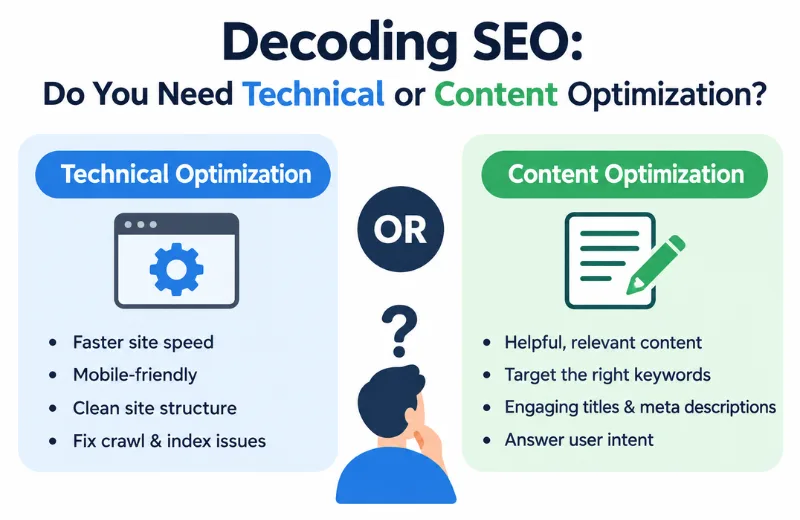
3. Technical SEO
Technical SEO focuses on the backend aspects that affect your site’s crawlability and performance. Examples include site speed and mobile responsiveness, XML sitemaps, robots.txt files, secure HTTPS protocol, and structured data markup.
4. Content Creation
Quality content is king. SEO involves creating helpful, engaging, and original content that satisfies user intent. This can be blog posts, videos, infographics, product pages, or FAQs.
5. Off-Page SEO
Building your website’s authority by earning backlinks from reputable sites. The more quality backlinks you have, the more search engines view your site as trustworthy.
SEO vs. Paid Advertising: What Is the Difference?
Paid advertising like Google Ads can bring immediate traffic, but only as long as you keep paying. Once the budget runs out, traffic stops. SEO, on the other hand, is a long-term investment. Although it takes time to see results, the traffic it brings can be consistent and cost-effective over months and years.
A smart digital marketing strategy usually combines both by using SEO to build a strong organic foundation while running paid ads to boost visibility during critical campaigns.
SEO Trends You Should Know in 2025
SEO is constantly evolving, with search engines updating their algorithms regularly. Here are some key trends shaping SEO this year:
- AI and Machine Learning are making search engines smarter at understanding user intent.
- Voice Search Optimization is becoming crucial with the rise of smart speakers and voice assistants.
- Mobile-First Indexing means Google primarily uses the mobile version of your site for ranking.
- Core Web Vitals, which include user experience signals like page speed and interactivity, now affect rankings.
- E-A-T (Expertise, Authoritativeness, Trustworthiness) ensures quality content by credible sources ranks better.
- Local SEO Growth is rising, making it vital for businesses serving specific regions.
How to Get Started with SEO
If you are new to SEO, here is a quick roadmap:
- Audit your website to identify technical issues, check page speed, and review existing content.
- Research keywords using tools like Google Keyword Planner, Ahrefs, or SEMrush.
- Optimize on-page elements by updating titles, meta descriptions, headings, and URLs.
- Create quality content that focuses on user needs and provides valuable information.
- Build backlinks by reaching out to relevant sites for guest posting and collaborations.
- Monitor results by tracking rankings, traffic, and user behavior with Google Analytics and Search Console.
- Stay updated since SEO rules change often; keep learning and adapting.
Conclusion
SEO is a powerful tool that drives organic traffic, builds brand authority, and generates sustainable growth. In an increasingly digital world, mastering SEO or hiring the right experts can give your business a competitive edge. Whether you are a local business in Nepal or a global brand, investing in SEO is investing in your long-term success.
Start optimizing your sites today and watch your website climb the search engine ranks, bringing more visitors, more leads, and more customers.
Read about top skills required for seo experts.