If they are exposed to improper circumstances for a long time they may expand, distort, develop fungi or deteriorate. In many cases WPC’s composite structure may aid in mitigating these moisture related difficulties. Another key aspect is termite resistance. However, conventional wood products might be subject to termites and other wood destroying insects. Depending on the composition and quality of the board, the polymer content and composite structure of WPC may give better protection against such pests. WPC Board also gives dimensional consistency.
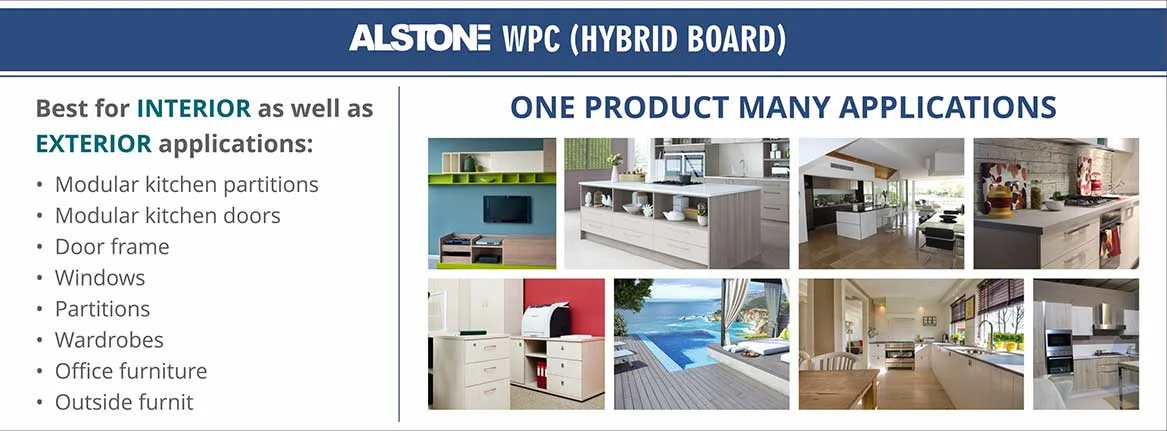
A WPC Board is made by mixing wood-based fibres or wood powder with polymer components and specified additives. This combination results in a composite board that may give some of the aesthetic attributes of wood while having the advantages of properties associated with polymer-based materials. Depending on its composition and production technique, WPC may be customised for a variety of building, furniture and interior purposes.
WPC Board Key Features
Natural wood may swell and shrink, bend or show variance owing to moisture and temperature fluctuations. WPC may also be prone to thermal movement and other dimensional changes but its composite structure, which is regulated, can provide helpful stability in many interior applications. Another benefit is flexibility of fabrication. You may cut, drill, screw, route and shape suitable WPC boards using proper equipment. This makes them perfect for furniture production and bespoke interior projects. The WPC Board surface may also be polished in a number of ways. Decorative laminates may be used to provide wood-effect, stone-effect or solid colour looks.
Painting may provide more colour possibilities and other finishing techniques can produce certain textures and visual effects. WPC Boards are available in various thickness and densities. The right choice is dependent on the purpose intended and the structural or ornamental needs of the project. Their comparatively low maintenance needs also make them ideal for contemporary building. Unlike certain conventional wood materials, WPC may not need regular treatment for termites, sealing or polishing to the same degree, however maintenance requirements vary by application and surface quality. The WPC Board is a valuable material for a broad variety of building and interior applications because of its moisture resistance, insect resistance, fabrication flexibility and design adaptability.
Benefits of WPC Board in Construction & Interiors
There are various benefits of WPC Board which is making it popular in building and interior designing. One of the major plus points is the fact that is suitable for places where moisture might be a problem for conventional wood based products.
Kitchens, baths, utility rooms and other damp environments may put extra demands on boards used for cabinets, partitions and furniture. The right WPC Board may be much more resistant to swelling and degradation from moisture than many other traditional wood based options. Another great benefit is that they resist termites. In regions where termite activity is an issue, composite board might decrease reliance on some of the preventative treatments often connected with traditional lumber. But the whole structure should be sufficiently secured against bugs.
WPC Board also reduces the need for maintenance. With the proper regular cleaning, it might be enough to keep its look, depending on the finish and application. It may be especially effective in commercial and residential contexts where regular maintenance is cumbersome.