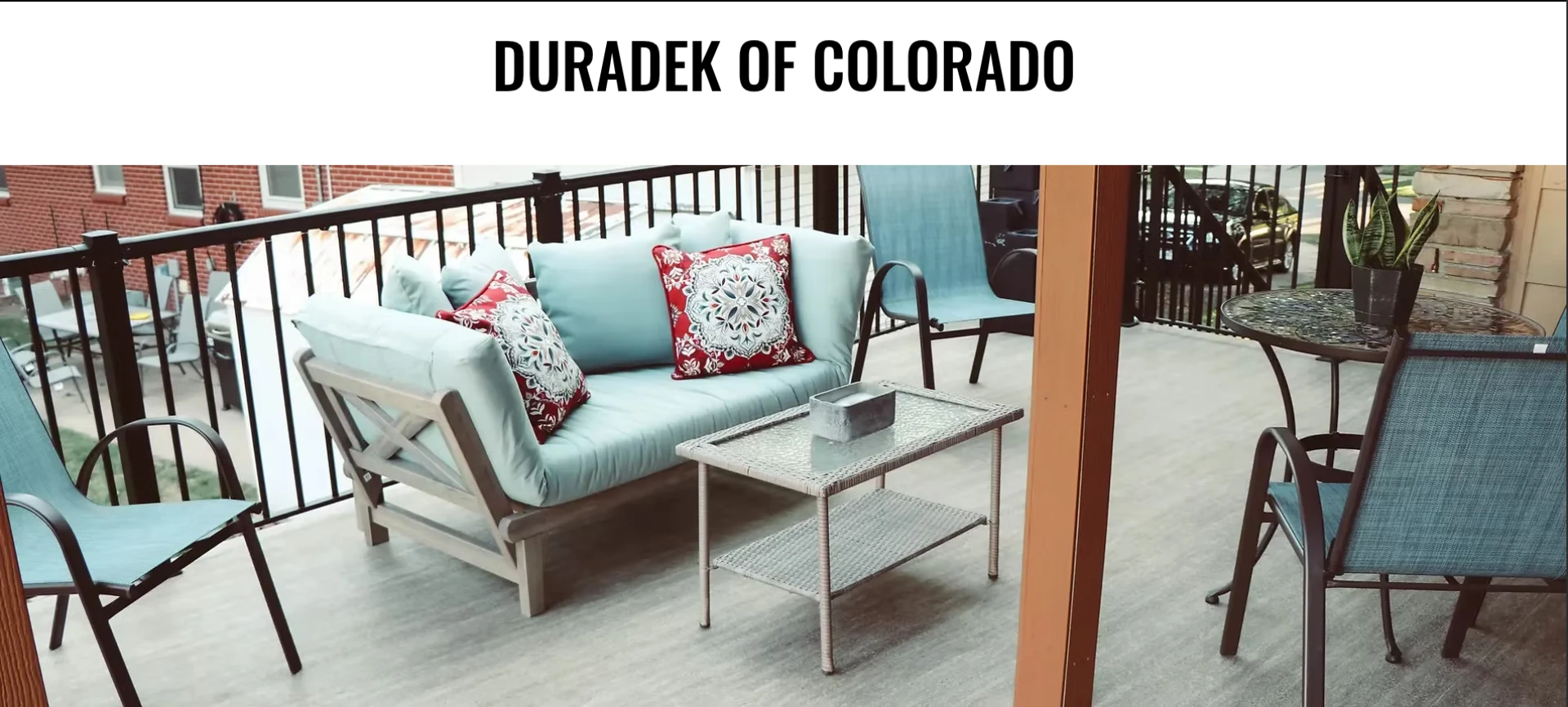
Deck railings are one of the most important structural and safety features of any outdoor deck. While they also contribute to the overall appearance of a property, their primary role is to provide stability, protection, and long-term reliability. For homeowners and property managers looking for a dependable solution, aluminum deck railing systems have become a preferred option for both residential and commercial decks.
This guide provides a detailed look at aluminum railing systems, how they perform in real-world conditions, and what to consider when working with professional deck railing installers. The information is based on hands-on industry experience, construction best practices, and long-term performance expectations.
Why Deck Railing Systems Matter More Than Many Homeowners Realize
Deck railings are not decorative add-ons. They are structural components designed to meet safety codes, support daily use, and withstand environmental exposure year after year.
A poorly chosen or incorrectly installed railing system can lead to:
- Safety risks
- Failed inspections
- Ongoing maintenance costs
- Early replacement
Choosing a well-designed aluminum deck railing system helps reduce these risks while supporting long-term performance.
What Are Aluminum Deck Railing Systems?
Aluminum deck railing systems are pre-engineered railing components made from corrosion-resistant aluminum. These systems are designed for exterior use and are commonly installed on:
- Elevated decks
- Balconies
- Stairways
- Walkways
- Multi-family and commercial properties
Unlike traditional wood railings, aluminum railings maintain their shape, strength, and finish without frequent upkeep.
Key Advantages of Aluminum Railing for Decks
Long-Term Durability
Aluminum does not rot, crack, or warp. It resists moisture damage and performs well in changing weather conditions.
Low Maintenance
Once installed, aluminum railing requires minimal care. There is no need for staining, sealing, or repainting.
Consistent Structural Strength
Properly designed systems maintain rigidity over time, reducing movement and loosening that often occurs with wood railings.
Clean, Modern Appearance
Slim profiles and uniform finishes provide a clean look that works with both traditional and modern deck designs.
These benefits explain why aluminum railing has become a practical choice for long-term deck safety.
How Aluminum Deck Railing Systems Perform in Outdoor Conditions
Exterior decks are constantly exposed to sun, rain, snow, and temperature changes. Materials that perform well indoors often fail outdoors.
Aluminum railing systems are designed to:
- Resist corrosion
- Maintain finish color
- Handle expansion and contraction
- Withstand load requirements
This makes them suitable for decks that see daily use throughout the year.
Understanding Code Compliance and Safety Requirements
Deck railings must meet local building codes related to:
- Railing height
- Baluster spacing
- Load resistance
- Stair handrail placement
Professional deck railing installers understand these requirements and ensure the railing system meets inspection standards. Using a code-compliant aluminum system reduces the risk of costly changes later.
Aluminum Railing vs. Other Railing Materials
Aluminum vs. Wood
Wood railings often require:
- Annual maintenance
- Board replacement
- Hardware tightening
Aluminum eliminates these issues while maintaining a consistent appearance.
Aluminum vs. Steel
Steel can be strong but may corrode without ongoing treatment. Aluminum provides strength without rust-related concerns.
Aluminum vs. Composite
Composite railings may look appealing but can fade or lose rigidity over time. Aluminum maintains structural integrity longer.
The Importance of Professional Deck Railing Installers
Even the best railing system depends on proper installation.
Why Installation Experience Matters
Experienced installers focus on:
- Secure post attachment
- Correct spacing and alignment
- Proper integration with deck surfaces
- Clean, finished connections
Improper installation can cause movement, water intrusion, and early system failure.
How Aluminum Railings Integrate With Decking Systems
Railings must work with the deck surface, framing, and waterproofing system.
Key Integration Points
- Post mounting methods
- Flashing and sealing
- Stair connections
- Waterproof deck compatibility
Duradek of Colorado installs aluminum railing systems alongside waterproof deck surfaces, ensuring the railing does not compromise the deck’s performance.
Design Flexibility With Aluminum Deck Railing Systems
Aluminum railing systems are available in multiple styles, colors, and configurations.
They can complement:
- Wood decking
- Composite decking
- Waterproof vinyl decking
- Tile and stone surfaces
This flexibility allows homeowners to maintain visual consistency across the entire deck.
Long-Term Cost Considerations
While aluminum railings may have a higher initial cost than basic wood railings, they often cost less over time.
Reduced Lifetime Costs
- Minimal maintenance
- Fewer repairs
- Longer service life
When evaluated over many years, aluminum railing systems often provide better value.
Common Mistakes to Avoid When Choosing Deck Railings
- Choosing based on price alone
- Ignoring code requirements
- Overlooking installation quality
- Mixing incompatible materials
- Underestimating maintenance needs
Reliable deck railing installers help prevent these issues through proper planning and product selection.
Why Property Owners Choose Duradek of Colorado
Duradek of Colorado focuses on long-term deck performance, not short-term fixes. With experience installing both deck surfaces and railing systems, the company understands how these components work together.
What Sets Duradek of Colorado Apart
- Hands-on installation experience
- Knowledge of waterproof deck systems
- Focus on code compliance
- Proven aluminum railing solutions
This practical expertise supports dependable results for residential and commercial projects.
Maintenance Expectations for Aluminum Deck Railing Systems
Aluminum railings require very little ongoing care.
Basic Maintenance
- Occasional cleaning
- Visual inspections
- Hardware checks if recommended
There is no need for refinishing or surface treatments.
When Aluminum Deck Railing Systems Are the Right Choice
Aluminum railing systems are ideal for:
- Elevated decks
- High-traffic areas
- Low-maintenance properties
- Modern and traditional designs
- Long-term ownership plans
They provide consistent performance where other materials struggle.
Final Thoughts
Choosing the right railing system is a decision that affects safety, maintenance, and long-term value. Aluminum deck railing systems offer a dependable solution for decks that require strength, stability, and minimal upkeep.
By working with experienced deck railing installers and selecting a proven aluminum railing system, property owners can ensure their deck remains secure and visually consistent for years to come.
For those planning a new deck or upgrading existing railings, aluminum systems provide a reliable balance of performance and practicality.
Call to Action
Looking for aluminum deck railing systems installed by experienced professionals? Contact Duradek of Colorado to discuss your deck railing needs and get guidance based on real-world installation experience.