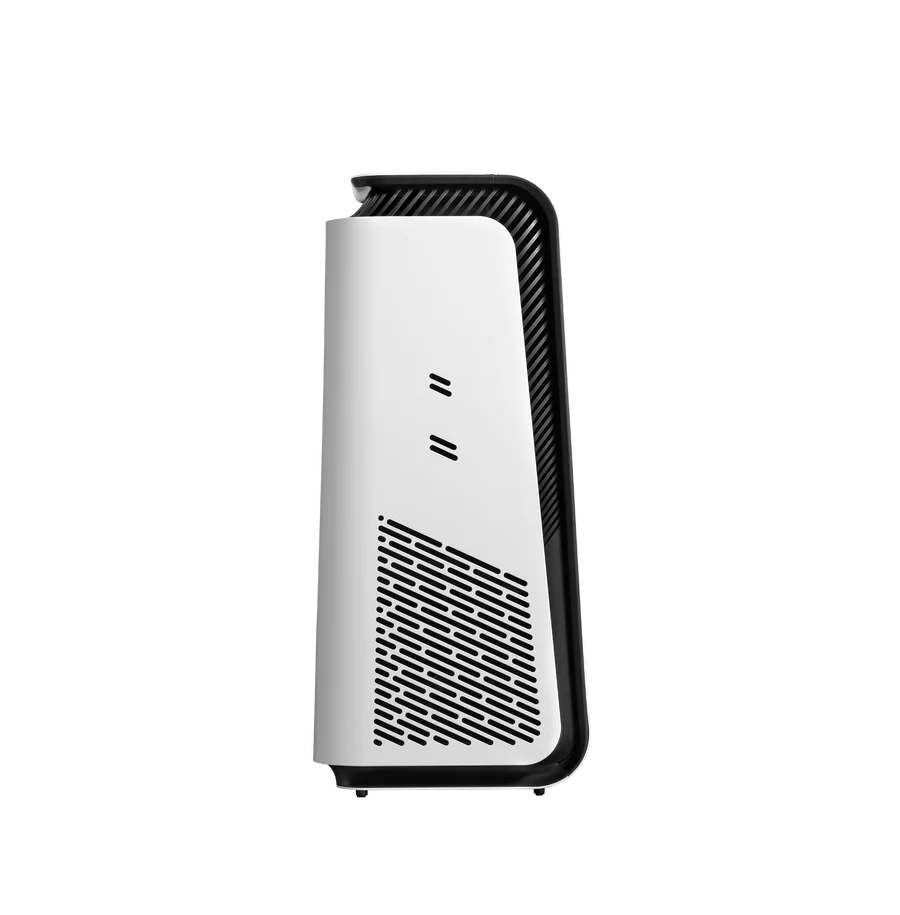
Air purifiers play a crucial role in maintaining indoor air quality. To ensure your air purifier operates efficiently, regular air filter replacement is essential. The air filter is the heart of your air purifier, capturing dust, allergens, and other harmful particles. Over time, it can become clogged, reducing its effectiveness and the overall performance of your purifier. In this guide, we’ll explore the importance of replacing your air filter, when to do it, and how to choose the right filter.
Why Is Air Filter Replacement Important?
Replacing the air filter in your air purifier ensures that the unit continues to work effectively, keeping your indoor air clean and healthy. A clogged filter can lead to several issues:
- Reduced Efficiency: When the filter is full of particles, it can't trap new contaminants as effectively. This forces the air purifier to work harder, potentially causing overheating and premature wear.
- Poor Air Quality: An old filter can release trapped pollutants back into the air, worsening the air quality rather than improving it.
- Energy Wastage: A clogged filter forces the air purifier to consume more energy as it struggles to draw air through the filter.
To keep your air purifier running smoothly and efficiently, replacing the filter regularly is a simple yet crucial step.
How Often Should You Replace Your Air Filter?
The frequency of air filter replacement depends on several factors, including the model of your air purifier, the air quality in your environment, and how often you use the device. Generally, it is recommended to replace the filter every 6 to 12 months. However, certain conditions may require more frequent replacements:
- High Pollution Levels: If you live in a heavily polluted area or near a busy street, you may need to replace your filter more often.
- Allergen Sensitivity: Those with allergies or respiratory conditions like asthma may require more frequent filter changes to ensure optimal air quality.
- Heavy Usage: If the air purifier runs continuously or in large spaces, the filter may fill up faster, requiring more frequent replacements.
Blueair offers a variety of replacement filters tailored to different models, ensuring that you always have the right option for your air purifier. For more details on filter types, visit Blueair's air purifier filters collection.
Signs It's Time for Air Filter Replacement
While the general guideline suggests replacing your air filter every 6-12 months, there are clear signs that it’s time to change the filter:
- Decreased Airflow: If you notice that your air purifier isn’t circulating air as effectively as before, the filter may be clogged.
- Bad Odors: If there is a persistent musty or unpleasant smell in the air, it could be a sign that the filter is full of trapped particles and bacteria.
- Visible Dirt or Discoloration: A visibly dirty or discolored filter is an obvious indicator that it’s time to replace it.
- Increased Dust: If you find more dust accumulating around your home, the air purifier may not be capturing particles efficiently.
How to Replace Your Air Filter
Replacing your air filter is a simple process, but it varies depending on your air purifier model. Generally, the steps include:
- Turn Off the Unit: Always ensure that the air purifier is powered off before replacing the filter.
- Remove the Old Filter: Open the compartment where the filter is located and carefully remove the old filter.
- Install the New Filter: Place the new filter in the same position as the old one. Ensure it’s seated correctly and securely.
- Reset the Filter Indicator (If Applicable): Some models feature a filter change indicator. Reset it once the new filter is installed.
For the best performance, consider using Blueair replacement filters designed specifically for your model.
Frequently Asked Questions
What happens if I don’t replace my air filter?
If you don’t replace your air filter, your air purifier will become less effective at removing dust, allergens, and other contaminants from the air. Over time, this can lead to poor air quality and increased wear on the machine.
Can I wash my air purifier filter instead of replacing it?
Most air purifier filters cannot be washed and reused. Some filters may have a washable pre-filter, but the main HEPA filter or carbon filter typically needs to be replaced.
How do I know which filter to buy for my air purifier?
The best way to determine which filter you need is to check the model number of your air purifier and look for the corresponding replacement filter on the manufacturer’s website, such as Blueair’s filter options.
Can air purifier filters be recycled?
Some air purifier filters can be recycled, depending on the materials used. Check with your local recycling program for specific guidelines on how to dispose of your old filter.
How can I extend the life of my air filter?
You can extend the life of your air filter by regularly vacuuming the outside of the filter to remove dust and debris, keeping the air purifier in a clean area, and reducing the number of airborne pollutants in your environment.
Are there any eco-friendly air purifier filters?
Yes, Blueair offers eco-friendly options designed to minimize environmental impact while still providing excellent filtration performance. Look for filters that use sustainable materials and have minimal environmental impact.