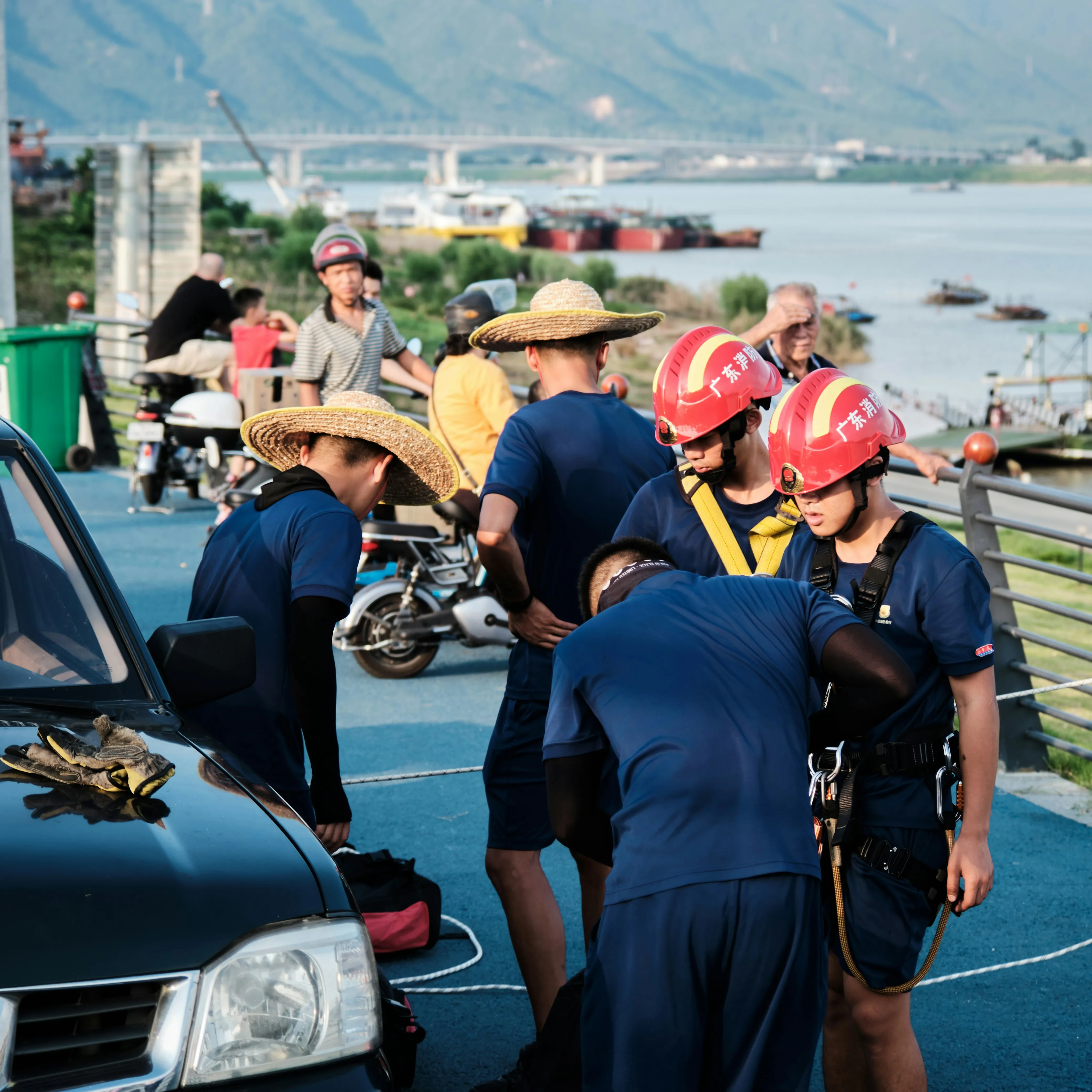
Improve workplace safety at sea with Behaviour Based Safety Training Maritime by Strive High. Learn proactive safety practices, reduce incidents, strengthen safety culture, and ensure maritime operational excellence.
The maritime industry operates in one of the world's most demanding environments. Every voyage presents unique challenges that require technical expertise, teamwork, and an unwavering commitment to safety. While advanced equipment and strict regulations contribute significantly to accident prevention, human behaviour remains one of the most influential factors affecting maritime safety. Behaviour Based Safety Training Maritime is designed to address this critical aspect by encouraging safe work habits, strengthening accountability, and creating a culture where every crew member actively contributes to operational excellence.
At Strive High, we believe that true safety begins with people. By focusing on behavioural improvement, communication, risk awareness, and continuous learning, maritime organizations can significantly reduce workplace incidents while improving crew morale and overall operational efficiency.
What is Behaviour Based Safety Training Maritime?
Behaviour Based Safety Training Maritime is a structured approach that focuses on identifying, understanding, and improving workplace behaviours that influence safety outcomes. Instead of only reacting to accidents after they occur, Behaviour Based Safety (BBS) encourages proactive observation, constructive feedback, and positive reinforcement to prevent incidents before they happen.
This training empowers seafarers to:
- Recognize unsafe behaviours
- Promote safe working practices
- Improve hazard awareness
- Strengthen teamwork
- Develop personal accountability
- Reduce operational risks
- Support continuous improvement
Rather than assigning blame, Behaviour Based Safety creates an environment where every individual takes ownership of maintaining a safe workplace.
Why Behaviour Based Safety Matters in Maritime Operations
Maritime operations involve numerous high-risk activities, including cargo handling, confined space entry, engine room maintenance, navigation, lifting operations, and emergency response. Even experienced professionals can develop unsafe habits over time.
Common causes of maritime accidents include:
- Human error
- Poor communication
- Lack of situational awareness
- Unsafe shortcuts
- Fatigue
- Inadequate supervision
- Failure to follow procedures
- Complacency
Behaviour Based Safety Training Maritime helps identify these behavioural patterns before they lead to serious incidents.
Core Objectives of Behaviour Based Safety Training Maritime
A successful Behaviour Based Safety Training Maritime program focuses on changing attitudes, improving decision-making, and strengthening workplace culture.
The primary objectives include:
Developing Safety Awareness
Crew members learn to recognize potential hazards before they become accidents. Increased awareness improves daily operational decisions.
Encouraging Safe Behaviours
Positive reinforcement motivates employees to consistently follow safe procedures and encourage others to do the same.
Reducing Human Error
Many maritime incidents are preventable. Behaviour Based Safety minimizes mistakes by reinforcing best practices.
Improving Communication
Open communication encourages reporting of unsafe conditions without fear of punishment.
Building Accountability
Every crew member understands their responsibility for maintaining a safe workplace.
Key Components of Behaviour Based Safety Training Maritime
An effective training program includes several important elements.
Behaviour Observation
Crew members observe workplace activities and identify both safe and unsafe behaviours.
Observations may include:
- Personal protective equipment usage
- Safe lifting techniques
- Equipment operation
- Housekeeping
- Permit-to-work compliance
- Lockout and tagout procedures
Constructive Feedback
Rather than criticizing mistakes, observers provide respectful, solution-oriented feedback that promotes continuous improvement.
Positive Reinforcement
Recognizing safe behaviours encourages employees to maintain high safety standards.
Hazard Recognition
Employees learn to identify:
- Slip and trip hazards
- Fire risks
- Electrical dangers
- Mechanical hazards
- Chemical exposure
- Working at heights
- Confined spaces
Incident Prevention
The focus shifts from reacting to accidents toward preventing them through behavioural change.
Benefits of Behaviour Based Safety Training Maritime
Organizations implementing Behaviour Based Safety often experience measurable improvements.
Reduced Workplace Accidents
Safe behaviours significantly lower the likelihood of injuries and near misses.
Improved Safety Culture
Employees become more engaged in maintaining a positive and proactive safety environment.
Higher Crew Confidence
Training improves competence, allowing personnel to perform tasks with greater confidence.
Better Regulatory Compliance
Behaviour Based Safety supports compliance with international maritime safety standards and company procedures.
Enhanced Operational Efficiency
Safe operations reduce downtime, equipment damage, investigations, and operational disruptions.
Lower Operational Costs
Preventing accidents reduces compensation claims, repair expenses, insurance costs, and productivity losses.
Topics Covered in Behaviour Based Safety Training Maritime
A comprehensive training program generally includes:
Safety Leadership
Strong leadership influences positive behavioural change across the organization.
Risk Assessment
Participants learn structured techniques for identifying and evaluating workplace hazards.
Human Factors
Training explores how fatigue, stress, communication, workload, and decision-making influence safety performance.
Safety Observation Techniques
Participants learn effective observation methods that improve workplace safety without creating conflict.
Near Miss Reporting
Near misses provide valuable opportunities for learning before accidents occur.
Emergency Preparedness
Behaviour during emergencies can significantly impact outcomes. Proper training improves emergency response effectiveness.
Behaviour Based Safety in Daily Maritime Operations
Behaviour Based Safety applies across every department onboard.
Bridge Operations
Safe navigation depends on:
- Effective communication
- Situational awareness
- Fatigue management
- Bridge resource management
- Standard operating procedures
Engine Room Operations
Behaviour Based Safety promotes:
- Proper maintenance practices
- Lockout/tagout compliance
- Equipment inspections
- Safe machinery operation
Cargo Operations
Crew members learn to:
- Follow lifting procedures
- Use proper PPE
- Maintain communication
- Monitor load stability
Deck Maintenance
Training reinforces:
- Fall protection
- Safe tool handling
- Housekeeping
- Weather awareness
Creating a Strong Safety Culture Through Behaviour
Safety culture is built through consistent behaviours rather than written policies alone.
Organizations strengthen their safety culture by:
- Encouraging open communication
- Recognizing positive behaviour
- Conducting regular observations
- Providing continuous training
- Learning from incidents
- Supporting employee participation
- Demonstrating leadership commitment
When safety becomes everyone's responsibility, organizations experience sustainable improvements.
Leadership's Role in Behaviour Based Safety Maritime
Managers, supervisors, officers, and senior crew members play a critical role in influencing behaviour.
Effective leaders:
- Lead by example
- Encourage participation
- Provide coaching
- Listen actively
- Reinforce positive behaviour
- Address unsafe practices respectfully
- Promote continuous improvement
Leadership commitment creates trust, which is essential for Behaviour Based Safety success.
Measuring Behaviour Based Safety Success
Successful Behaviour Based Safety programs monitor measurable performance indicators.
These may include:
- Observation completion rates
- Near miss reporting
- Incident frequency
- Corrective action completion
- Safety participation
- Training attendance
- Behaviour improvement trends
Continuous measurement helps organizations identify opportunities for further improvement.
Best Practices for Implementing Behaviour Based Safety Training Maritime
Organizations achieve the greatest success when they:
- Provide ongoing training
- Involve every crew member
- Encourage open reporting
- Conduct regular safety observations
- Celebrate safe behaviours
- Continuously review performance
- Update training based on operational experience
Behaviour Based Safety is not a one-time initiative—it is an ongoing process of learning and improvement.
Why Choose Strive High for Behaviour Based Safety Training Maritime
At Strive High, our Behaviour Based Safety Training Maritime programs are designed to help maritime organizations create lasting improvements in workplace safety. Our training combines practical learning, behavioural science, industry best practices, and real-world maritime scenarios to build safer, more responsible, and highly effective crews.
Our programs focus on:
- Practical maritime safety solutions
- Behavioural risk reduction
- Leadership development
- Crew engagement
- Safety culture transformation
- Regulatory compliance
- Continuous performance improvement
With a commitment to excellence, Strive High helps maritime professionals build safer operations, stronger teams, and sustainable safety cultures that protect people, assets, and the environment.
Conclusion
Behaviour Based Safety Training Maritime is one of the most effective strategies for reducing workplace incidents and strengthening long-term safety performance. By focusing on human behaviour, proactive risk management, and continuous improvement, maritime organizations create an environment where safety becomes a shared responsibility rather than a compliance requirement.
Investing in Behaviour Based Safety Training Maritime through Strive High equips maritime professionals with the knowledge, confidence, and behavioural skills needed to make safer decisions every day. A strong safety culture not only protects lives but also enhances operational reliability, regulatory compliance, and business success, making it an essential investment for every modern maritime organization.