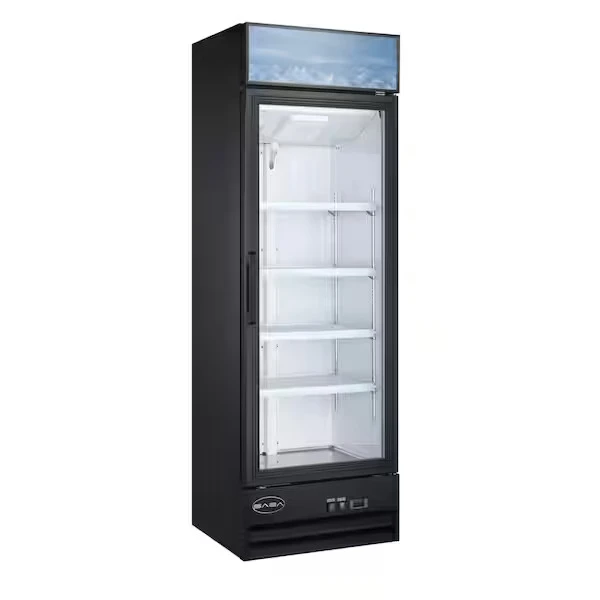
A commercial single door refrigerator is a professional-grade refrigeration unit designed for foodservice environments such as restaurants, cafés, food trucks, bakeries, hotels, and catering businesses. Unlike residential refrigerators, commercial models are built for heavy-duty performance — constant operation, frequent access, and large loads of perishable goods.
These refrigerators have one upright door and a spacious interior with adjustable shelving, making them ideal for kitchens that require organized storage without sacrificing valuable space.
In this guide, we’ll walk you through everything you need to know before purchasing a commercial single door refrigerator — from features and benefits to buying tips and maintenance advice.
Why Choose a Commercial Single Door Refrigerator?
A commercial kitchen operates at a pace and volume that would quickly overwhelm a home fridge. A commercial single door refrigerator is designed to withstand heavy use while maintaining consistent cooling performance.
Top Benefits
1. Space-Saving Design
The single door configuration is perfect for kitchens with limited space. Whether you’re working with a small prep area or need additional refrigerated storage, it fits seamlessly without dominating the layout.
2. Cost-Effective Cooling
Compared to larger multi-door refrigerators, a commercial single door refrigerator is typically more affordable, both upfront and in ongoing energy costs.
3. Easy Access & Organization
With adjustable shelves and a clear interior layout, staff can quickly find ingredients during peak service times. Better organization improves kitchen efficiency and reduces preparation time.
4. Durable Construction
Commercial single door refrigerators are built with high-quality materials like stainless steel, which resist corrosion and are easy to clean — a must in busy foodservice environments.
Where Commercial Single Door Refrigerators Are Used
These units are widely used in a variety of food-related businesses:
- Restaurants & cafés — secondary cold storage or prep area use
- Food trucks & street food vendors — compact but powerful refrigeration
- Bakeries & pastry shops — storing dairy, fillings, and toppings
- Hotels & banquet kitchens — supplementary refrigeration for events
- Bars & pubs — chilling mixers, garnishes, and beverages
No matter the business size, a commercial single door refrigerator offers reliable cooling without over-complicating your kitchen setup.
Key Features to Look For
When selecting a commercial single door refrigerator, not all models are created equal. Here’s what to consider before buying:
Stainless Steel Exterior
Stainless steel is durable, hygienic, and easy to sanitize — essential for food safety compliance.
Adjustable Shelving
Flexible shelf layouts let you store everything from tall bottles to packaged ingredients.
Digital Temperature Control
Precise temperature settings help you maintain food quality and prevent spoilage.
Self-Closing Doors
These reduce heat loss and increase energy efficiency.
Heavy-Duty Compressor
A reliable compressor ensures consistent cooling even during peak hours.
Interior Lighting
LED lights help your staff quickly locate items, reducing the time doors stay open.
Each feature contributes to better performance, durability, and cost savings.
How to Choose the Right Commercial Single Door Refrigerator
Buying a commercial single door refrigerator requires careful planning. Here’s a step-by-step approach:
1. Assess Your Storage Needs
Estimate how much refrigerated space you require daily. Consider future growth — it’s better to have extra capacity than run short.
2. Measure Your Kitchen Space
Make sure the unit fits comfortably in your layout without blocking workflows or access paths.
3. Consider Energy Efficiency
Energy-efficient models may cost more upfront but save money over time on electricity bills.
4. Check Warranty and Service
A longer warranty and reliable service support protect your investment.
5. Compare Brands and Models
Different brands offer varying levels of performance and durability. Read reviews and consult suppliers for recommendations.
Commercial Single Door Refrigerator Sizes & Configurations
Commercial single door refrigerators come in various sizes — from compact under-counter models to taller upright units.
Under-Counter Models
Perfect for small kitchens or as supplementary storage near a prep station.
Upright Single Door Units
Ideal for larger storage needs with additional shelving space.
Each configuration serves different business sizes and workflows, so choose the one that matches your operational needs.
Maintenance Tips for Long-Term Performance
A well-maintained commercial single door refrigerator lasts longer and performs better.
Routine Cleaning
Clean shelves, gaskets, and internal surfaces weekly to prevent odors and bacterial build-up.
Check Door Seals
Ensure doors close tightly. Worn gaskets reduce efficiency and increase energy costs.
Clean the Condenser Coils
Dust and grease buildup can reduce cooling performance. Clean coils regularly.
Monitor Temperatures Daily
Maintain the recommended temperature range for food safety.
Schedule Professional Service
Annual professional servicing improves reliability and prevents costly breakdowns.
Energy Efficiency and Cost Considerations
Running a commercial kitchen means managing ongoing costs. Energy-efficient refrigerators use better insulation and compressors to lower electricity use. Although they may cost more initially, energy savings over time often outweigh the upfront expense.
When evaluating price vs. long-term value, consider Total Cost of Ownership (TCO), which includes maintenance, electricity, and repair costs.
Common Mistakes to Avoid
Before you finalize your purchase, watch out for these common pitfalls:
❌ Buying Residential Refrigerators
Home units aren’t designed for commercial use and fail under constant kitchen demand.
❌ Ignoring Storage Capacity
Underestimating your storage needs leads to overcrowded shelves and frequent restocking.
❌ Skipping Energy Ratings
Ignoring energy efficiency can dramatically increase operating costs.
❌ Not Measuring Space
A fridge that doesn’t fit your layout creates workflow problems and safety risks.
Avoid these mistakes to get the best value from your purchase.
Frequently Asked Questions (FAQs)
Q: What temperature should a commercial single door refrigerator maintain?
A: Most are set between 0°C to 4°C (32°F to 39°F) for safe food storage.
Q: How long do commercial refrigerators last?
A: With proper maintenance, they can last 8–12 years.
Q: Are commercial single door refrigerators energy-efficient?
A: Yes — modern models come with improved insulation and energy-saving compressors.
Final Thoughts
A commercial single door refrigerator is an essential investment for any foodservice business that requires reliable cooling, flexible storage, and efficient use of space. Choosing the right model boosts kitchen productivity, improves food safety, and reduces operating costs.
Whether you’re opening a new restaurant or upgrading equipment, a commercial single door refrigerator delivers performance you can trust.