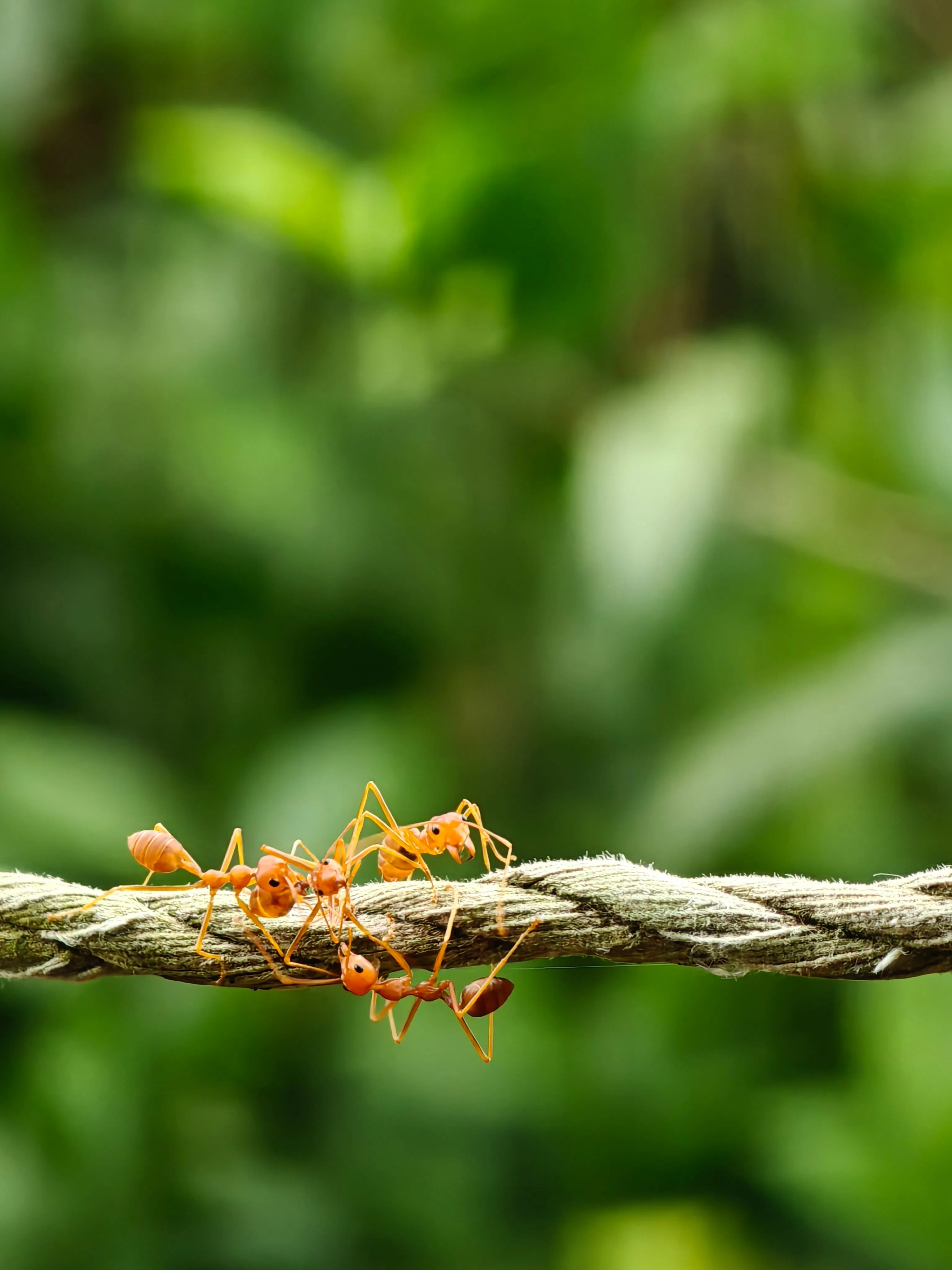
A clean and well-maintained property can still experience unwanted pest problems. Ants are among the most common insects found around homes and commercial buildings because they can adapt to different environments and quickly locate food and water. Once a colony establishes itself nearby, worker ants may repeatedly enter kitchens, bathrooms, gardens and storage areas. Ant Pest Control Melbourne helps property owners understand the causes of these infestations and the importance of choosing suitable pest management solutions. Reliable ant removal melbourne can help address unwanted ant activity and reduce the risk of recurring infestations.
1. Easily Accessible Food Sources
Food availability is one of the main reasons ants enter residential and commercial properties. Even small amounts of leftover food can attract worker ants searching for resources for their colony.
Sugar, honey, fruit, biscuits and other food products are particularly attractive to many ant species. Uncovered containers, crumbs beneath kitchen appliances and spills around dining areas can provide convenient feeding opportunities.
To reduce this attraction, clean food preparation surfaces regularly, store pantry products in sealed containers and avoid leaving dirty dishes in the sink overnight.
2. Moisture and Water Availability
Like other living organisms, ants require water to survive. Leaking taps, damp cupboards, overflowing plant pots and poorly maintained drainage systems can create suitable conditions for ant activity.
Bathrooms, kitchens and laundry rooms should receive particular attention because these areas often contain plumbing connections and moisture-prone surfaces.
Repairing leaks, improving ventilation and removing unnecessary standing water can help discourage ants from settling around the property.
3. Hidden Nesting Locations
Ant colonies can establish themselves in places that are difficult to inspect. Common nesting locations include garden beds, spaces beneath paving, wall cavities, roof areas and cracks around building foundations.
These concealed locations allow colonies to remain protected while worker ants travel outside to collect food.
Simply spraying visible ants may not solve the problem if the nest remains active. Identifying the colony's location is therefore an important part of effective pest management.
4. Seasonal Changes and Weather Conditions
Ant activity can change throughout the year depending on temperature, rainfall and environmental conditions.
During warmer periods, ants often become more active while searching for food and expanding their colonies. Heavy rainfall may disturb outdoor nests, encouraging some species to seek drier locations around buildings.
Property owners should regularly inspect outdoor areas, especially after significant changes in weather. Checking garden borders, paving and building foundations can help identify early signs of nesting.
Why Professional Inspection Is Important
Not all infestations require the same treatment. Different ant species have different feeding preferences, nesting habits and colony structures. Identifying the species can help determine which treatment approach is likely to be most effective.
Professional pest inspections generally involve examining areas where ants are active, identifying possible entry points and assessing environmental conditions that support colony development.
For homeowners and businesses dealing with recurring infestations in Melbourne's south-eastern suburbs, specialised ant removal Narre Warren can be considered when seeking assistance with local ant problems.
A suitable treatment plan may involve targeted applications, baiting techniques and recommendations for improving property conditions. Following the recommended treatment instructions is important for achieving better results.
Simple Preventative Measures for Homeowners
Preventing an infestation is often easier than managing a well-established colony. A few regular maintenance habits can make the property less attractive to ants.
Consider these practical steps:
- Clean kitchen benches and floors after preparing meals.
- Store food products in tightly sealed containers.
- Remove crumbs and food residue from difficult-to-reach areas.
- Keep indoor and outdoor rubbish bins covered.
- Wash pet feeding bowls regularly.
- Repair leaking pipes and dripping taps.
- Seal small openings around windows and doors.
- Trim plants and branches touching external walls.
- Remove fallen leaves and unnecessary garden waste.
- Inspect outdoor paving for signs of ant nesting.
These activities help reduce the availability of food, water and shelter that colonies need to survive.
Protecting Commercial Properties from Ant Activity
Ant infestations can create additional challenges for businesses, particularly those involved in food preparation, hospitality, retail and storage.
Worker ants may enter food storage areas, move across preparation surfaces and contaminate packaged products. Even a small infestation can affect workplace hygiene and customer confidence.
Businesses should establish regular cleaning schedules, maintain suitable waste disposal practices and inspect storage areas for signs of pest activity.
Commercial buildings should also receive routine maintenance to address cracks, gaps and moisture problems that may provide entry points for insects.
When Should You Seek Professional Assistance?
Occasional ants outdoors may not indicate a serious infestation. However, repeated sightings indoors, continuous ant trails, activity around cupboards and ants emerging from wall openings can suggest an established colony.
If household cleaning and basic preventative measures do not resolve the problem, a professional inspection may be worthwhile.
Avoid applying multiple pest control products without understanding the ant species or treatment requirements. Incorrect product use can create unnecessary exposure and may interfere with suitable treatment methods.
Building a Long-Term Ant Prevention Routine
Managing ants successfully involves understanding their behaviour and reducing the conditions that attract them. Regular cleaning, proper food storage, moisture control and outdoor maintenance all contribute to a less attractive environment for nesting colonies.
Property owners should also remember that treating visible ants is not always enough. Identifying the source and addressing the underlying infestation are essential parts of a more effective approach.
For properties experiencing recurring ant problems, combining preventative maintenance with suitable ant removal Croydon can help address local pest concerns.
By taking early action and maintaining consistent hygiene practices, homeowners and business operators can protect their properties and enjoy cleaner, more comfortable surroundings.