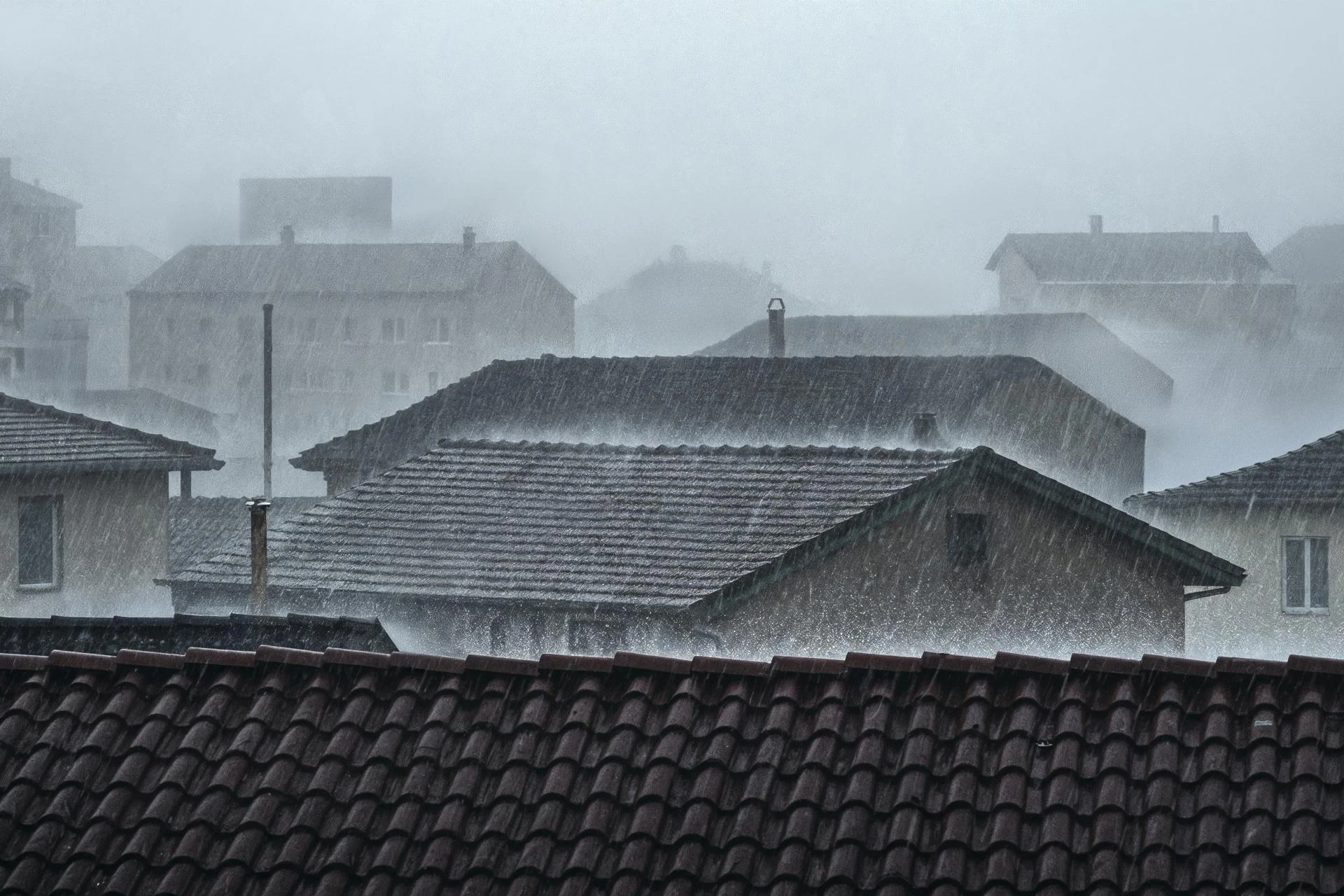
Storms can be unpredictable, powerful, and costly for homeowners. Your roof takes the brunt of harsh weather, acting as the first line of defense against wind, rain, hail, and flying debris. Understanding the most common causes of roof storm damage and how to prevent them can help you avoid unexpected repairs and protect your home for years to come. Working with a trusted Roofing Company can also make a significant difference in long-term protection.
Why Storm Damage Is So Hard on Roofs
Roofs are designed to withstand normal weather conditions, but severe storms push them to their limits. High winds, heavy rainfall, and sudden pressure changes can weaken roofing materials over time or cause immediate damage. Even a single storm can compromise your roofing system in ways that are not always obvious right away, which is why prevention and early detection matter.
High Winds and Uplift Pressure
One of the most common causes of storm related roof damage is strong wind. High winds can lift shingles, loosen fasteners, and peel back roofing materials, especially along edges and ridgelines. Once wind gets underneath shingles, it creates uplift pressure that can rapidly worsen damage.
Preventing wind damage starts with proper installation. Secure shingles, reinforced flashing, and quality underlayment all help reduce the risk of uplift. Reputable roofing companies follow installation standards that significantly improve wind resistance. Regular inspections can also identify loose or aging materials before a storm turns them into a bigger problem.
Heavy Rain and Water Intrusion
Rain alone is not usually an issue for a healthy roof, but storms often bring heavy, sustained rainfall that tests every seam and penetration. Weak flashing around vents, chimneys, or skylights can allow water to seep inside, leading to leaks, mold, and structural damage.
Keeping gutters clear is one of the simplest ways to prevent water related issues. When gutters clog, water can back up under the roof edge and damage both shingles and decking. Routine maintenance performed by an experienced Roofing Company ensures rainwater flows away from your roof as intended.
Hail Impact Damage
Hailstorms can be especially destructive, even when hailstones appear small. Repeated impacts can crack shingles, dislodge protective granules, and weaken roofing materials. Over time, these weakened areas become entry points for moisture.
Preventing hail damage is not always possible, but choosing impact resistant roofing materials can significantly reduce risk. After a hailstorm, a professional inspection by qualified roofing professionals helps identify damage that may not be visible from the ground.
Flying Debris and Fallen Branches
Storms often turn loose objects into airborne hazards. Tree branches, patio furniture, and debris can strike the roof with enough force to puncture shingles or decking. Overhanging branches are a common cause of localized roof damage during storms.
Trimming trees regularly and securing outdoor items before storms reduces the chance of impact damage. Preventive landscaping plays a bigger role in protecting your roofing system than many homeowners realize.
Poor Roof Ventilation
While ventilation may not seem storm related, it directly affects how a roof handles extreme weather. Poor ventilation traps heat and moisture, weakening roofing materials over time. When a storm hits, an already compromised roof is more likely to fail.
Balanced ventilation helps regulate temperature and moisture levels, extending the lifespan of your roof and improving its resilience during severe weather events.
Aging and Worn Roofing Materials
Older roofs are naturally more vulnerable to storm damage. As materials age, they become brittle, lose flexibility, and are less able to absorb impact or resist wind. Storms often expose problems that have been developing quietly for years.
Regular inspections from trusted roofing companies help track the condition of your roof and identify when repairs or upgrades are needed. Proactive maintenance is far less expensive than emergency repairs after a storm.
Storm Damage Roof Repairs in The Villages
Homes exposed to frequent storms face unique challenges. Storm damage roof repairs in The Villages often involve addressing wind uplift, water intrusion, and impact damage caused by severe weather patterns. Understanding these risks highlights the importance of preparation and routine maintenance performed by a qualified Roofing Company.
How Preventive Maintenance Makes a Difference
Preventing storm damage is not about stopping storms, but about strengthening your roof before they arrive. Scheduled inspections, timely repairs, and quality roofing materials all play a role in minimizing damage. Addressing small issues early prevents them from turning into major problems during severe weather.
Homeowners who invest in routine roofing maintenance typically experience fewer emergencies, lower repair costs, and longer roof lifespans. Prevention also provides peace of mind when storms are in the forecast.
When to Schedule a Professional Inspection
It is wise to schedule roof inspections both before and after storm season. Inspections after major storms are especially important, even if there are no visible signs of damage. Professional roofing experts can detect hidden issues that may lead to leaks weeks or months later.
Early detection allows repairs to be completed quickly, reducing long term damage and protecting the integrity of your home.
Conclusion
Storms are an unavoidable part of homeownership, but roof damage does not have to be. By understanding common causes such as wind, rain, hail, debris, and aging materials, homeowners can take steps to reduce risk and protect their investment. With proactive care and expert support, Secured Roofing & Restoration proudly serves homeowners throughout The Villages and Altamonte Springs, providing reliable roofing solutions to keep roofs strong before and after the storm.