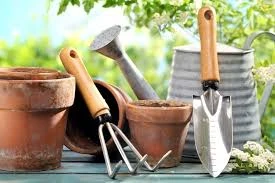
There’s something truly satisfying about growing your own garden—whether it's vibrant flowers, fresh herbs, or homegrown vegetables. But to do the job well, you need the right gardening tool and accessories. Just like a chef relies on quality knives, a gardener needs dependable tools that make the process easier, cleaner, and more enjoyable. From basic hand tools to protective gear, each item has its own purpose in creating a successful gardening tool experience.
Let’s walk through the must-have tools and accessories that every home gardener should keep in their shed or tool kit.
Hand Tools: The Foundation of Any Garden
Whether you're planting seeds or pulling weeds, hand tools are your go-to essentials.
1. Trowel
The hand trowel is a small, handheld shovel used for digging small holes, transplanting seedlings, and removing weeds. Look for one with a sturdy stainless-steel blade and a comfortable grip, especially if you’ll be using it for long periods.
2. Hand Fork or Cultivator
This tool is excellent for loosening the soil and breaking up clumps. It’s perfect for preparing beds and ensuring good soil aeration around plants.
3. Pruning Shears
Also known as secateurs, pruning shears are used to trim and shape plants, remove dead branches, and harvest fruits and herbs. A sharp pair makes cleaner cuts, which helps plants heal faster.
4. Weeder
This tool helps remove deep-rooted weeds without disturbing the surrounding soil too much. It’s especially handy if you’re trying to maintain a neat and healthy garden bed.
Long-Handled Tools: Comfort and Efficiency
As your garden grows, you’ll need tools that can handle bigger jobs while saving your back.
5. Garden Hoe
Ideal for breaking up soil, removing weeds, and preparing seedbeds. Different types of hoes are designed for specific tasks, such as scuffle hoes or draw hoes. Choose one that suits your style of gardening.
6. Rake
A garden rake is essential for leveling soil, removing stones, and spreading mulch. Leaf rakes, on the other hand, are lighter and used for collecting leaves and debris.
7. Spade and Shovel
These are heavy-duty tools for digging, edging, and moving soil or compost. A spade usually has a straight edge for cutting through soil, while a shovel has a curved blade, ideal for scooping and lifting.
8. Garden Fork
Used for turning over soil, especially in compact or clay-heavy areas. It can also be used to lift and divide perennials with minimal root damage.
Watering Tools: Keeping Plants Hydrated
Water is the lifeblood of any garden, and having the right tools can make this daily task much more efficient.
9. Watering Can
Perfect for smaller gardens, potted plants, and delicate seedlings. Choose one with a detachable rose (sprinkler head) for more control over the water flow.
10. Garden Hose with Nozzle
For larger gardens, a hose is essential. A good-quality hose with an adjustable spray nozzle allows you to water efficiently without wasting water.
11. Soaker Hoses and Drip Irrigation
For gardeners looking to conserve water and save time, these systems deliver water directly to the plant roots and are ideal for vegetable beds.
Gardening Accessories That Make a Difference
Besides the main tools, certain accessories enhance comfort, organization, and safety while you work.
12. Gardening Gloves
A good pair of gloves protects your hands from blisters, cuts, thorns, and soil-borne bacteria. Choose breathable, water-resistant materials that offer both comfort and durability.
13. Knee Pads or Garden Kneeler
Gardening often requires kneeling for long periods. A kneeling pad or a foldable garden kneeler can prevent joint pain and make your work much more comfortable.
14. Tool Belt or Garden Tote
These help you stay organized while working. Instead of running back and forth to grab tools, you’ll have everything you need within reach.
15. Plant Labels and Markers
These may seem small, but they’re incredibly useful for keeping track of plant varieties, planting dates, and care requirements. Ideal for vegetable and herb gardens.
16. Compost Bin
Though not a tool in the traditional sense, a compost bin is essential for eco-friendly gardening. It turns kitchen and garden waste into nutrient-rich compost that helps your soil thrive.
Caring for Your Gardening Tools
Having quality tools is one thing—maintaining them is another. Well-cared-for tools last longer and work more efficiently.
- Clean your tools after each use. Wipe off soil, rinse with water, and dry them thoroughly to prevent rust.
- Sharpen blades on tools like pruners, shears, and hoes regularly to keep them effective.
- Oil wooden handles occasionally to prevent splitting or cracking. Linseed oil works great for this.
- Store tools in a dry place, preferably hung up or stored in a tool shed to protect them from the elements.
Choose Quality Over Quantity
It’s easy to get overwhelmed by the sheer number of gardening tools and accessories on the market by nestlyhome. But you don’t need to buy everything at once. Start with the basics—the core tools—and then build your collection over time based on your garden's needs.
Invest in high-quality tools even if they cost a bit more upfront. They’ll last longer, work better, and make your gardening experience far more enjoyable.
Final Thoughts
Gardening is more than just a hobby—it’s a way to connect with nature, reduce stress, and bring life into your surroundings. Having the right gardening tool and accessories makes the journey smoother and more rewarding. From essential hand tools like trowels and pruners to smart accessories like gloves and compost bins, each item has its own role in helping your garden grow.