For most of the last decade, making a video meant stitching together a long chain of tools: one app for scripts, another for stock footage, a separate editor, a voiceover service, and finally a design tool for thumbnails. Generative AI has started to collapse that chain. In 2026 the more interesting shift is not that a single model can generate a clip, but that creators can now run an entire production, from idea to finished episode, inside one workspace.
From single clips to full productions
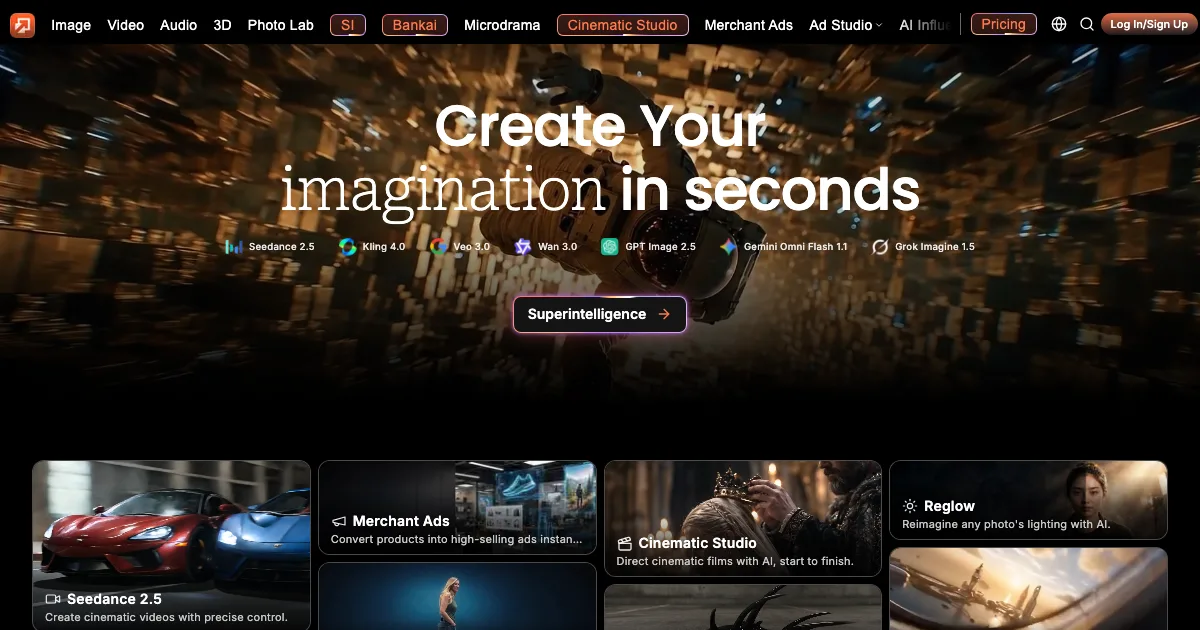
The first wave of AI video tools produced short, impressive but isolated clips of a few seconds. They were fun to share, yet hard to use for real work because characters changed from shot to shot, audio had to be added elsewhere, and nothing connected into a story. Newer models such as Seedance 2.5, Kling 4.0 and Veo 3.0 have improved motion realism and camera control, but model quality alone does not solve the workflow problem. Teams still need consistent characters, voice, music, editing and export in the right format for each platform.
That is why multi-model studios are gaining ground. Instead of betting on one model, they let creators pick the best engine for each task: one model for photorealistic product shots, another for stylised animation, another for lip-synced dialogue.
What an all-in-one AI studio looks like
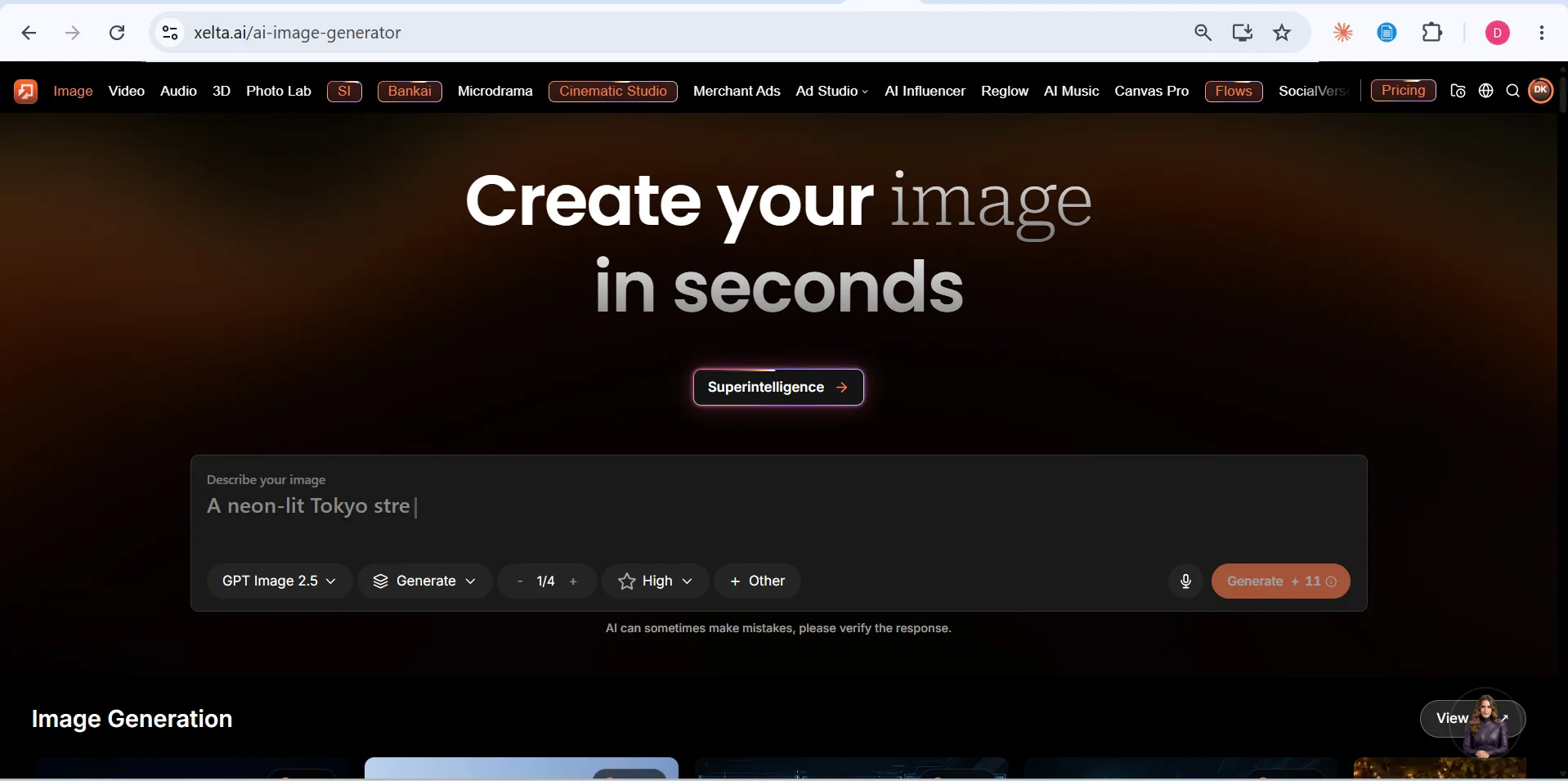
Xelta AI Studio is a good example of this approach. It brings image, video, audio and storytelling tools under one roof, with access to models such as Seedance 2.5, Kling 4.0, Veo 3.0, Wan, GPT Image and Seedream. The practical result is that a single person can move through the whole pipeline without exporting files between five different services.
- Image generation: product visuals, social graphics, concept art and marketing creatives from a text prompt or a reference image.
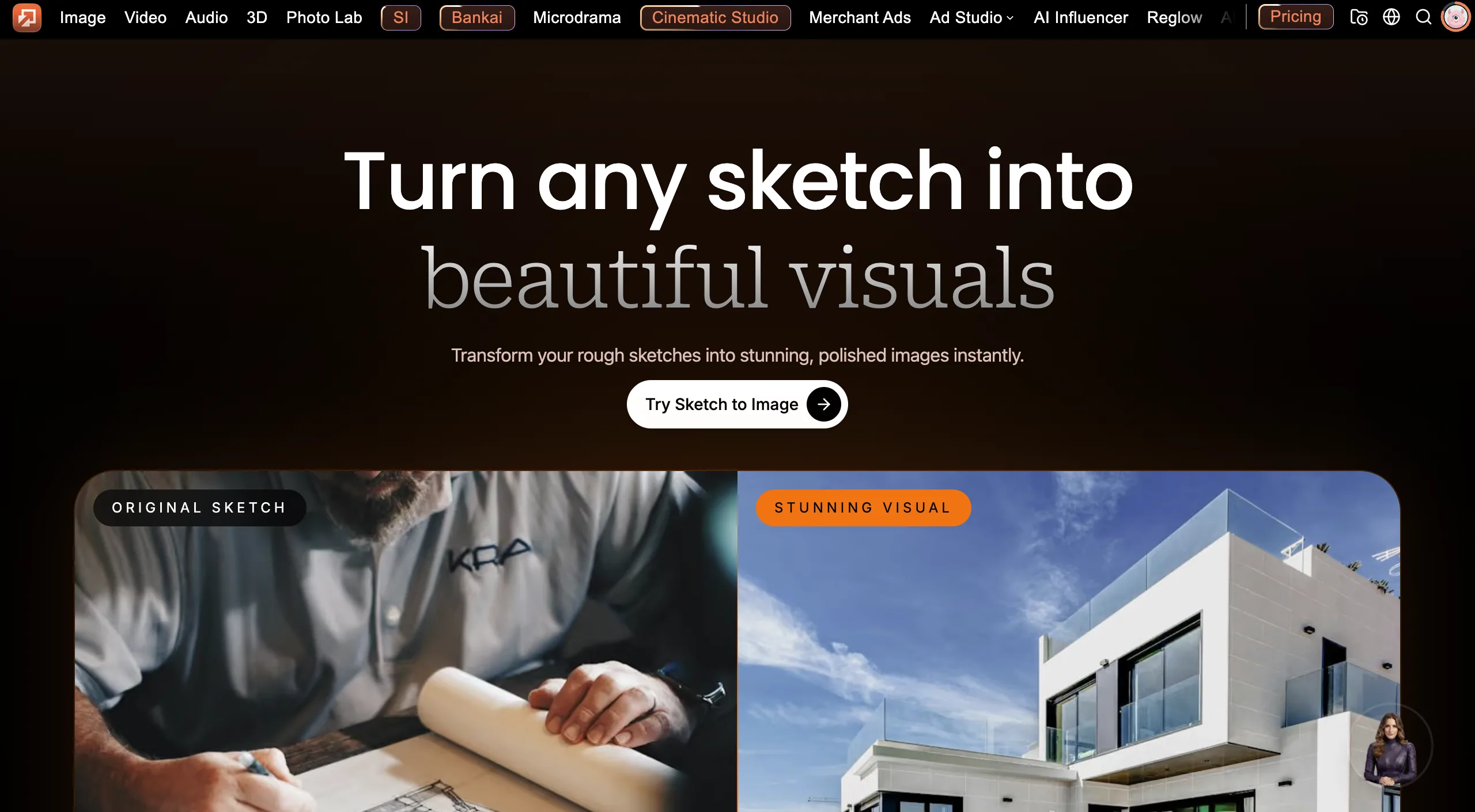
- Video generation: text-to-video and image-to-video for ads, short films and social content, with tools like Sketch to Motion for turning rough drawings into animated clips.
- Audio and voice: voiceovers, voice cloning, lip sync, background music and sound effects, so videos ship with finished sound.
- Story formats: movie trailers, comic panels through Comic Flow, and long-form episodic microdramas.
- Marketing tools: ad makers that convert a product photo into a set of ready-to-run video ads.
The rise of AI microdramas
One of the fastest-growing formats is the microdrama: short, serialised vertical episodes built for mobile viewing. Traditional microdrama production still needs writers, actors, sets and editors, which keeps output slow and expensive. AI changes the economics. With the Xelta microdrama generator, a creator can start from a single prompt and get a script, recurring characters, scenes and voices for an episodic series running up to around 60 minutes. Independent storytellers can now test a series concept with an audience before investing in a full live-action shoot.
Who benefits most
The biggest gains go to small teams that previously could not afford a production crew:
- Content creators and social media teams who need a steady stream of short videos for several platforms each week.
- Marketers and agencies who want to test many ad variations quickly instead of shooting each one.
- Ecommerce brands that need product videos and lifestyle images for large catalogues.
- Educators and course creators who can turn lesson outlines into narrated explainer videos.
- Filmmakers and indie studios who use AI to pre-visualise scenes, build trailers and pitch ideas.
Practical tips for better AI video results
Whatever platform you use, a few habits make a large difference to output quality:
- Write prompts like a director. Describe the subject, action, camera movement, lighting and mood in one clear sentence rather than a list of keywords.
- Use reference images. Image-to-video keeps characters and products far more consistent than text alone.
- Match the model to the job. Some models excel at realistic motion, others at stylised animation or readable on-screen text. Try two or three on the same prompt before committing.
- Plan for sound early. Generating voice and music in the same workspace avoids timing problems later.
- Export per platform. Vertical 9:16 for Reels, Shorts and TikTok; 16:9 for YouTube and websites.
Ownership and responsible use
Before using AI content commercially, check the platform's licensing terms. Xelta, for example, states that users keep commercial rights to what they generate. It is still good practice to avoid imitating real people without consent, label synthetic media where platforms require it, and review every output before publishing.
The bottom line
AI video in 2026 is less about a single breakthrough model and more about connected workflows. Studios that combine multiple models with editing, audio and story tools let one creator do what used to take a full team. If you produce video regularly, it is worth testing an all-in-one platform on a real project, such as a product ad or a pilot microdrama episode, and measuring how much time it saves compared with your current toolchain.