
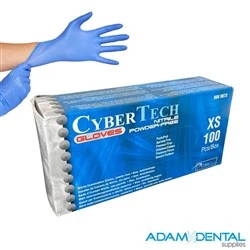
Nitrile gloves have proven to be an indispensable tool in the day-to-day functioning of a dentist, ensuring that procedures are performed efficiently, safely, and with precision.
Dentists perform a wide variety of tasks, from conducting routine check-ups to performing intricate surgeries, all of which require precision, cleanliness, and safety. Among the essential tools used in a dentist's practice, nitrile gloves stand out as one of the most important. Let’s explore how these gloves play a critical role in the daily functioning of a dentist’s office.
Protection for Both the Patient and the Dentist
Nitrile gloves are primarily used as a barrier against contamination. The nature of dental procedures involves frequent contact with bodily fluids, such as saliva and blood. Dentists, dental hygienists, and assistants need to maintain a sterile environment to prevent cross-contamination, which could lead to infections or the spread of diseases.
The gloves form an essential barrier that protects both the dentist and the patient. For the dentist, nitrile gloves ensure that they are shielded from potentially infectious materials, which could carry bloodborne pathogens like HIV or hepatitis. Similarly, patients benefit from the use of gloves as they are protected from any potential transfer of germs or harmful substances from the dental professional.
Comfort and Dexterity
Another advantage of nitrile gloves is the high level of comfort and dexterity they offer. Dental professionals often perform highly detailed and delicate tasks that require exceptional tactile sensitivity, such as extracting a tooth or placing a filling. Nitrile gloves are designed to fit snugly and allow for maximum movement, which is crucial when working with small dental instruments in tight spaces.
The elasticity of nitrile gloves provides a secure and flexible fit, unlike some other materials that may become stiff or uncomfortable over time. This flexibility is especially important for long procedures, as dentists need gloves that won’t impede their ability to maneuver tools with precision. The tactile sensitivity provided by nitrile gloves allows dentists to feel the subtle changes in tissue texture and resistance, enhancing their control and accuracy during procedures.
Chemical Resistance and Durability
Dental procedures often involve the use of various chemicals, such as disinfectants, cleaning agents, and even some dental materials like sealants or bonding agents. Nitrile gloves are well-known for their superior chemical resistance compared to other glove types. This resistance helps prevent the gloves from deteriorating when exposed to these chemicals, which is a crucial consideration in a dental environment. Additionally, the durability of nitrile gloves also means they can withstand punctures and tears, providing further protection during lengthy or more intense procedures.
Infection Control and Sterility
Infection control is one of the highest priorities in dental practices. Ensuring that everything from dental instruments to the environment remains sterile is crucial to patient safety. Nitrile gloves are part of a comprehensive infection control strategy. They not only prevent cross-contamination between patients but also help maintain the sterile environment that is vital in preventing hospital-acquired infections (HAIs).
Easy to Use and Cost-Effective
Nitrile gloves are not only practical but also cost-effective for dental practices. They are widely available and easy to use, making them a convenient choice for dental professionals. The affordability of nitrile gloves makes them a practical option for both small and large dental practices, allowing them to maintain safety without straining their budgets.
Final Thoughts
Nitrile gloves have proven to be an indispensable tool in the day-to-day functioning of a dentist. By ensuring a safe and sterile environment, nitrile gloves allow dental professionals to focus on providing high-quality care to their patients while minimising the risk of contamination. The everyday use of nitrile gloves is a small but crucial element in ensuring that dental procedures are performed efficiently, safely, and with precision.