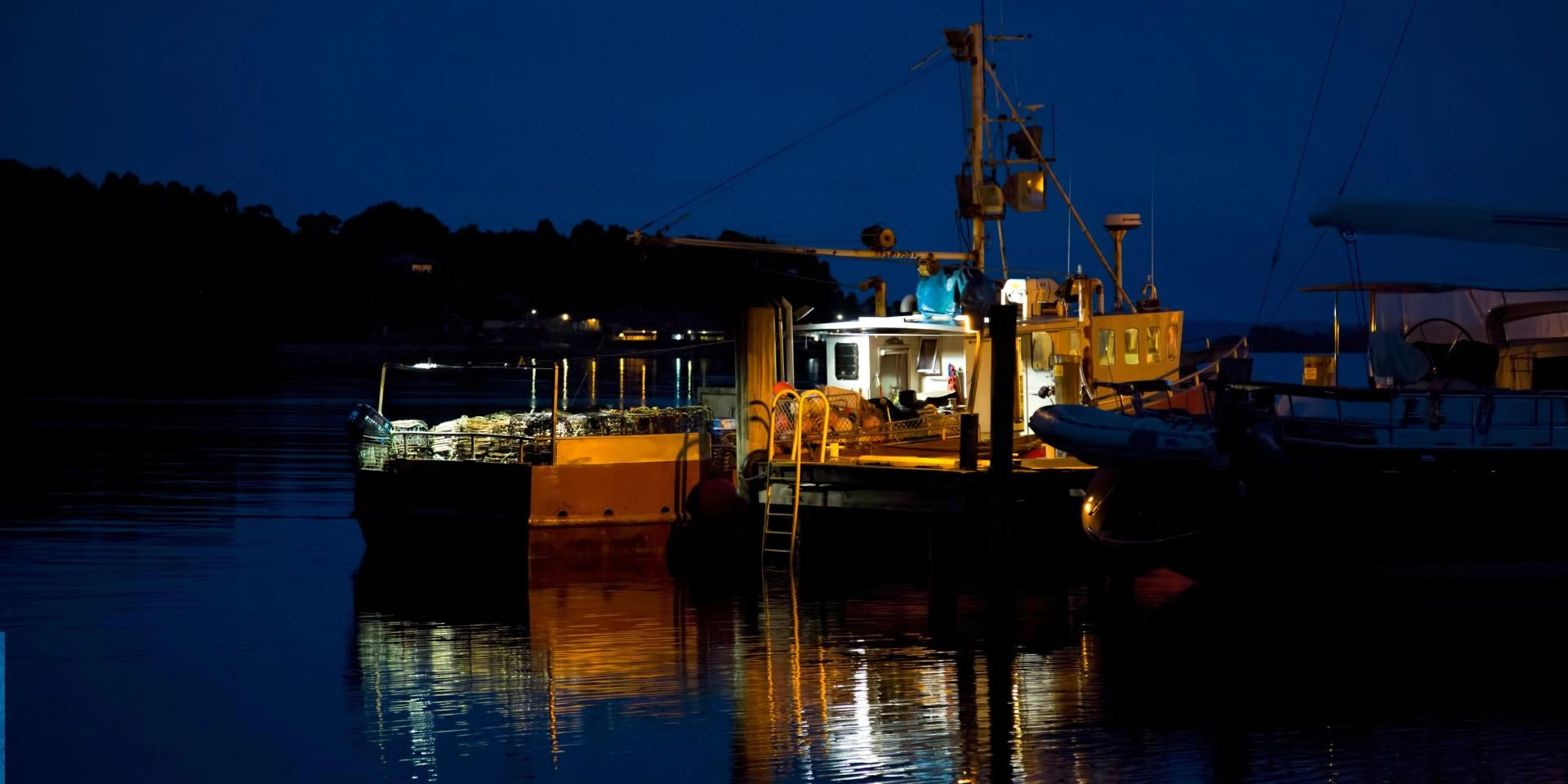
Have you ever experienced an adventurous boat journey? If no, here’s your lighting solutions that will make it possible. Marine lighting is a must-have to make sure safe and memorable boating experiences. Whether you are navigating through a black-pitched night, anchoring in a calm and serene cove, or displaying your vessel's elegance at a marina, having the best marine lights on board can impact your exposure in the ocean. Let us explore the world of marine lighting, look into the best available options, and discuss how appropriate lighting can enhance your maritime adventures.
What is the Significance of Marine Lighting?
When you are on the water, particularly at night or in conditions of low visibility, visibility becomes top-priority for better safety. High-quality marine lights not only promote safety but also improve the visual appeal of your boat. They light your way, make your vessel easily identifiable to other boats, and offer a sense of reassurance as you appreciate the serene beauty of the water at night.
Various types of best marine LED lights fulfill distinct functions, and picking the appropriate one for each task is paramount. From navigation lights to underwater LEDs, every light on your boat contributes significantly to enhancing safety and functionality.
What are The Types of Marine Lights You Require?
Navigation Lights
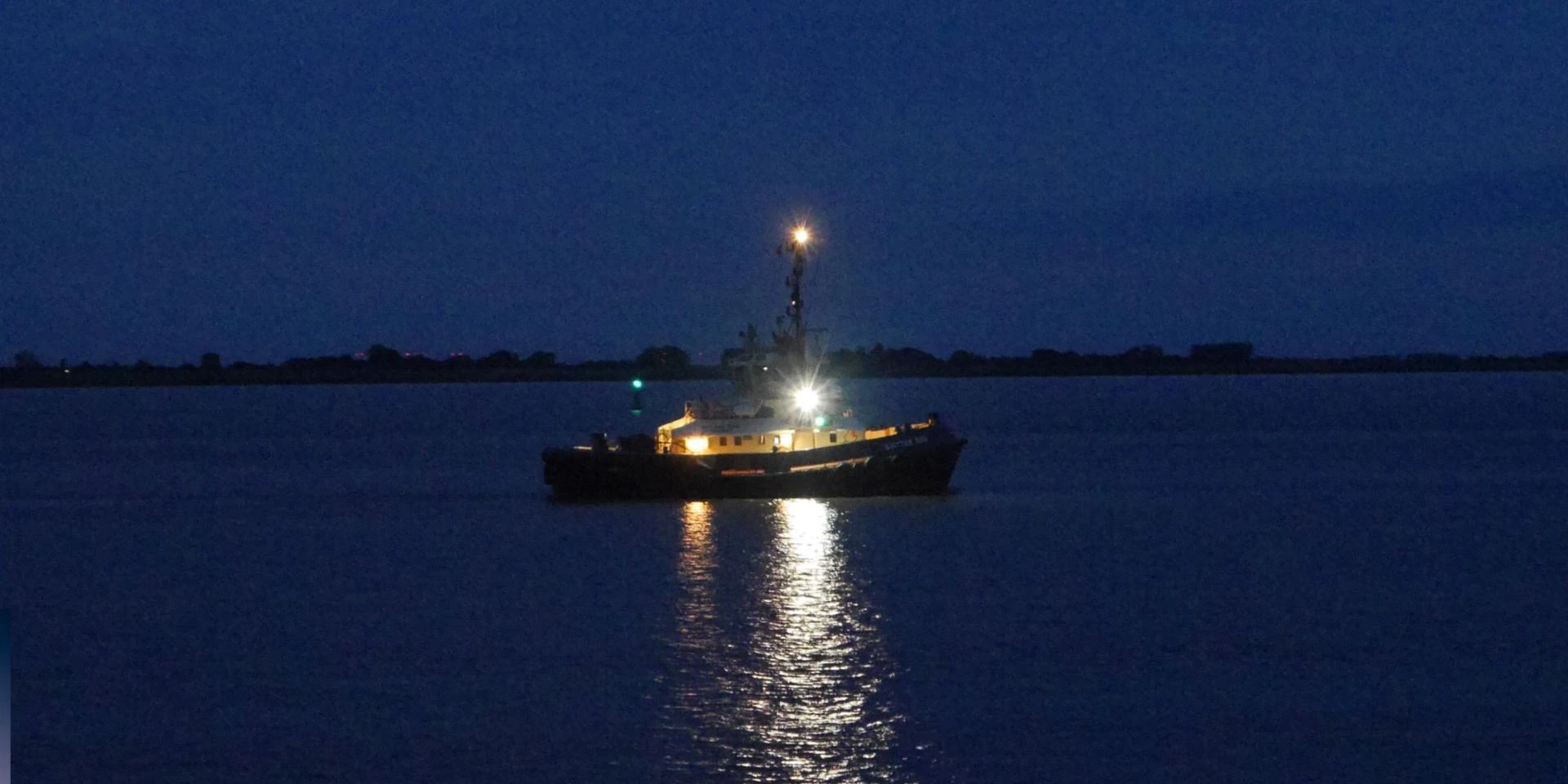
Navigation lights are mandated by law for all vessels operating between sunset and sunrise. These lights signify the direction in which the boat is moving and assist in preventing collisions. They generally consist of:
Red and Green Bow Lights: These lights denote the port (left) and starboard (right) sides of the vessel. The red light is positioned on the left side, while the green light is located on the right.
White Stern Light: A white light at the stern ensures that other vessels can see the rear of your boat.
Masthead Light: This light is situated at the highest point of the vessel and projects forward to indicate your boat's direction.
Interior Lighting
Once you are anchored and enjoying your leisure time, the atmosphere becomes just as paramount as the journey itself. Interior lighting includes lights within cabins, galleys, or head areas, and can transform your boat into a floating home. LED strips, overhead lights, and accent lights not only illuminate the area but are also energy-efficient, aiding in battery conservation during prolonged trips.
Underwater Lights
Underwater lights have gained popularity for their capacity to level up your boat's appearance. Available in a variety of colors and designs, underwater lights illuminate the water beneath your vessel, creating a stunning visual display. These best marine lights will attract fish, making them especially helpful for nighttime fishing. They also increase your boat's visibility, facilitating easier spotting by other vessels.
Impressive Flood and Spotlights
Flood and spotlights are perfect for lighting up the deck or searching for items in the dark-pitched area. A floodlight offers broad coverage, which is advantageous when you need to brighten up a larger area, while a spotlight provides a more concentrated beam to help you direct light precisely where it is needed. Both types of lights will change the boat's conditions when docking, anchoring, or navigating challenging waters in the dark.
How to Pick the Right Marine Lights for Your Vessel?
Choosing the best marine LED lights for your vessel is contingent upon several essential factors, including the type of boat you have, the nature of your boating activities, and your personal aesthetic preferences. Below are several considerations to keep in mind:
Main Purpose: State the primary function of the light (e.g., navigation, aesthetic appeal, fishing) and select accordingly.
More Energy Efficiency: LED lights represent the most energy-efficient choice and will aid in conserving power, particularly during extended trips.
High-Quality Durability: Verify that the lights are constructed to endure harsh marine conditions, such as saltwater exposure and UV radiation.
More Brightness: For underwater lights, floodlights, and spotlights, ensure that the brightness and beam coverage align with your specific requirements.
Installation: Some lights necessitate professional installation, while others can be easily installed as a DIY project. Ensure you select lights that match your installation skills.
Way Forward
Marine lighting is not just about practicality; it enriches the experience of being on the water. Whether you are navigating vast oceans, fishing beneath the stars, or simply relishing a tranquil evening at the dock, the correct lighting can significantly can make your experience out of the box. By investing your hard-earned money in the best marine LED lights, you will make sure that your vessel not only stands out but also maintains safety and efficiency throughout your journey. So, what are you waiting for? Change your boat's conditions with the best marine lights and embark on a brighter, more enjoyable adventure!
FAQs
Q.1. What Defines a Marine Light as Being Truly 'Marine-Grade'?
Ans. Marine-grade lights are curated to endure the severe conditions found in saltwater environments. This entails:
Waterproofing: Look for IP65 ratings or higher.
Corrosion resistance: The Right materials include stainless steel or coated aluminum.
Shockproof Design: This is key to enduring waves and vibrations.
UV Protection: This feature prevents fading and deterioration due to sun exposure.
Q.2. Is it Advisable to Use Standard LED Strips on my boat?
Ans. It is not recommended. Although standard LED strips may function temporarily, they do not provide:
Adequate sealing against moisture and salt.
Sufficient durability for outdoor marine applications.
Voltage compatibility with marine electrical systems (typically 12V).
Q.3. Do Marine Lights Impact Night Vision or Navigation?
Ans. Yes, it will surely affect making informed choices:
Red or green lights help maintain night vision and are used for navigation goals.
White lights are optimal for deck lighting but may create glare if not positioned correctly.
Dimmable or color-changing options can help in balancing visibility and ambiance without jeopardizing safety.