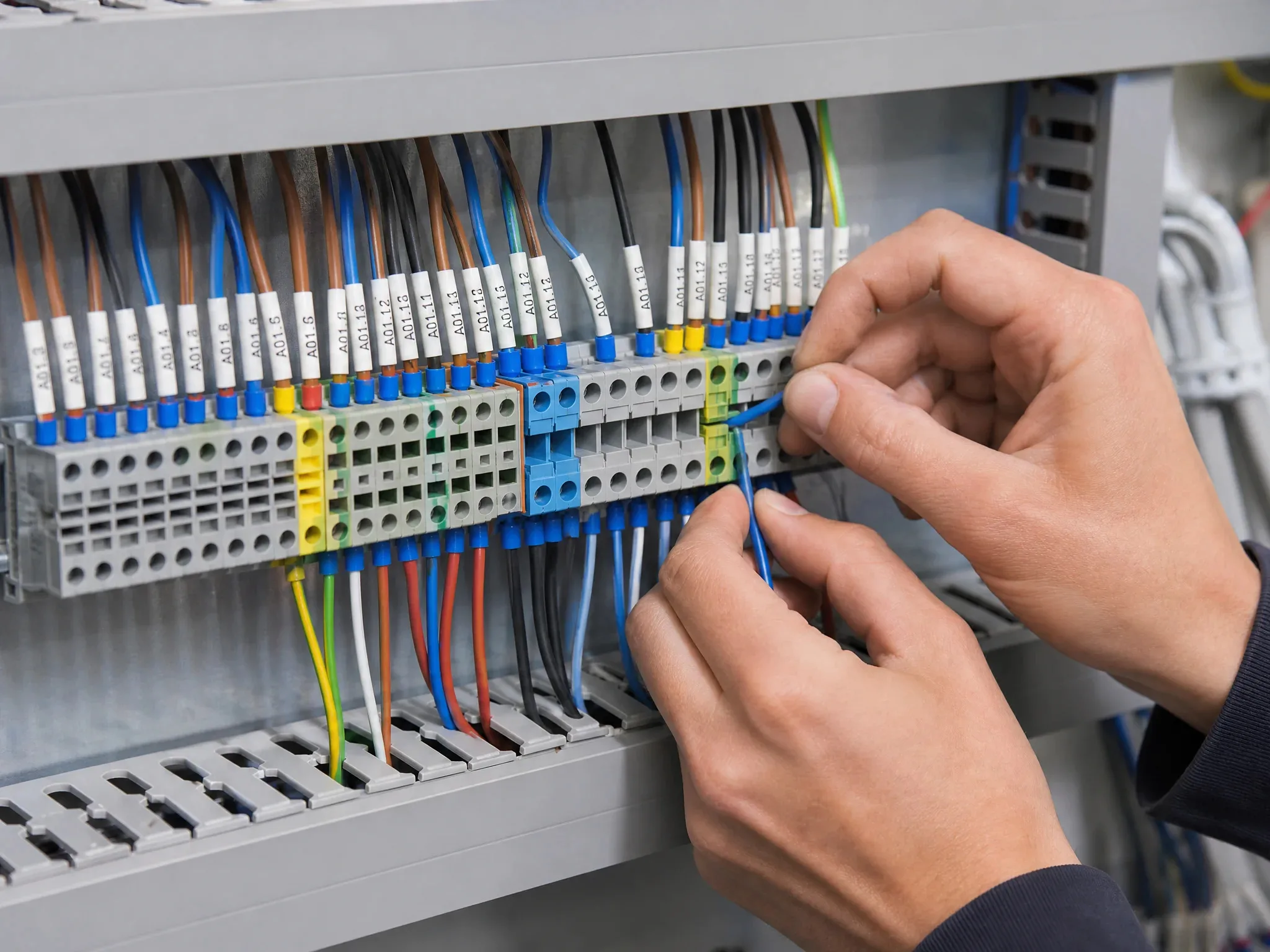
Industrial control wiring is critical in linking control panels, sensors, switches, motors, and other equipment within industrial applications. Proper selection of control wiring is crucial in ensuring communication efficiency, operational safety, and optimal functionality of equipment. Instead of choosing control wiring based on cost considerations alone, businesses need to consider diverse technical factors before placing their orders. Familiarity with voltage ratings, environmental conditions, conductors, insulation materials, and installation requirements will help you avoid compatibility concerns and expensive rewiring. Planning guarantees compliance with machine requirements and the entire control system.
Determine the Application Requirements
Before purchasing industrial control wiring in NC, it is necessary to understand what purposes and conditions the wires will be used for. For example, some products are designed for specific applications such as connecting sensors, motors, control equipment, and programmable controllers. At the same time, for each instrument, different modes of operation have different requirements for the conductor cross-section, insulation material, flexibility, and heat resistance. To choose the optimal product, the voltage and current characteristics of future connections, as well as the signals’ features, should be considered. Moreover, providing a supplier with details about the equipment to be connected by wires and their location can help in finding the best solution for a specific case. This way, buyers will get products that are compatible with all elements of the future electrical circuit.
Check Voltage, Current, and Conductor Specifications
Before purchase, it is essential to evaluate specifications and conditions of use, which will help determine the optimal characteristics of a product. For example, based on the voltage and current ratings of an application, it will be possible to exclude the risk of overload and select the core material (preferably copper) and its cross-section. At the same time, insulation must also be appropriate to the operating conditions and resistant to temperatures. Products in which signals travel from a control device to a motor should have a particular construction to ensure the absence of surges and noise in the metering circuits. The correct choice of industrial control wiring reduces installation errors and offers reliable performance.
Consider Environmental and Installation Conditions
Industrial settings can subject control wiring to various hazards, including high temperatures, humidity, chemicals, vibrations, abrasions, oils, dust, and mechanical strains. To avoid unnecessary replacement or repairs, it is essential to consider these factors before placing any orders for industrial control wiring. Control cabinet wiring will have entirely different needs compared to wiring in manufacturing plants or even outdoors. Proper temperature ratings must also align with the surrounding environment to enhance durability and minimize maintenance costs.
Verify Standards, Certifications, and Compatibility
Industrial control wiring should meet the applicable electrical standards and certifications for the proposed installation. The requirements may vary depending on the equipment, industry, location, and application. It is essential to check before buying if the selected option is compliant with the necessary standards and certifications. In addition, it is recommended to ensure the compatibility of wiring with terminals, connectors, cable glands, control panels, and other accessories. Even a technically suitable option might prove to be incompatible with some components due to the absence of the appropriate size or construction. A buyer may contact the supplier and ask for technical datasheets, certificates, and specifications to get more information.
The Finale
When buying wiring for industrial control uses, businesses often consider only finding the right length. However, other elements also need careful thought, including the application requirements, the technical specifications of the electrical circuit, environmental conditions, regulatory requirements, compatibility issues, quantities, and supplier reliability. Spending extra time considering these various variables before the order helps ensure that companies buy wiring that enables safe, efficient, and effective operations within their plants. It also helps prevent costly installation issues, maintenance problems, and surprise repair expenses. Businesses that work off system specifications and use reputable wiring suppliers can benefit from better purchases overall.