
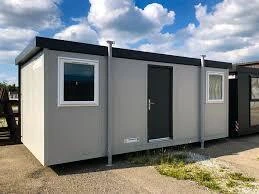
The modern workplace is evolving faster than ever. Businesses are no longer confined to traditional office spaces or fixed locations. Projects require flexibility, teams work across multiple sites, and operations often shift quickly in response to market demands. In this rapidly changing environment, infrastructure can no longer be a limiting factor.
Traditional construction methods, while reliable, are time-consuming, expensive, and often inflexible. They cannot keep up with the pace of modern business. This is why portable infrastructure is emerging as a key solution for companies and organizations seeking efficiency, adaptability, and cost-effectiveness.
The Challenge of Modern Workspaces
Businesses today face unique challenges when it comes to infrastructure:
- Limited space in urban environments
- Temporary projects requiring short-term facilities
- Quick expansions without long-term commitments
- Remote or offsite operations needing functional workspaces
Investing in permanent buildings for temporary or fluctuating needs is inefficient. Businesses need solutions that can adapt as quickly as they do.
What Is Portable Infrastructure?
Portable infrastructure consists of prefabricated units that can be easily transported, installed, and reused. These units are designed to be durable, functional, and comfortable, providing an effective alternative to traditional construction.
Common types include:
- Portable offices and workspaces
- Meeting rooms and conference units
- Sanitation facilities and portable restrooms
- Storage containers and security cabins
- Temporary classrooms
- Worker rest areas and shelters
These units allow organizations to set up fully functional workspaces in hours or days, instead of waiting months for construction to finish.
Benefits of Portable Infrastructure
1. Speed and Efficiency
Time is one of the most critical factors in business. Portable units are ready-to-use and can be deployed immediately, allowing teams to start operations without unnecessary delays.
2. Cost-Effective Solution
Traditional buildings involve high costs, including materials, labor, and ongoing maintenance. Portable infrastructure reduces these expenses while providing reusable solutions, delivering long-term value.
3. Flexibility and Mobility
Projects often evolve, requiring changes in workspace size, location, or function. Portable units can be relocated, expanded, or modified to meet changing requirements, ensuring businesses remain agile.
4. Enhanced Productivity
By providing structured, functional, and comfortable spaces, portable infrastructure enables employees to work efficiently. From dedicated offices to rest areas, these units improve coordination, reduce downtime, and support overall productivity.
Applications Across Industries
Construction and Industrial Projects
Construction sites benefit from portable offices, storage units, and sanitation facilities, enabling teams to coordinate efficiently even in remote or challenging locations.
Events and Exhibitions
Large events require temporary infrastructure for staff, operations, and attendees. Portable units provide restrooms, ticket booths, control rooms, and other essential facilities, which can be removed immediately after the event.
Corporate Offices
Businesses facing temporary expansion or short-term projects can use portable offices to accommodate extra staff without committing to permanent leases or construction.
Education and Training
Schools and training centers facing increased enrollment or undergoing renovations can use portable classrooms to ensure continuous learning.
Healthcare and Emergency Response
Portable medical units and shelters are critical during disasters, providing temporary facilities for care, coordination, and shelter in areas where permanent structures are unavailable or damaged.
Choosing the Right Portable Infrastructure
To maximize benefits, businesses must carefully select the right portable units:
- Purpose: Identify the intended use of the unit.
- Capacity: Ensure the unit can accommodate the required number of people or equipment.
- Durability: Select materials suitable for the environmental conditions.
- Mobility: Ensure units can be easily transported and installed.
- Reusability: Consider long-term use across multiple projects.
This ensures that the infrastructure supports both current operations and future needs.
Environmental Benefits
Portable infrastructure also supports sustainability. Reusable units reduce construction waste, minimize the consumption of new materials, and often incorporate energy-efficient features. Businesses can combine operational efficiency with environmental responsibility.
The Future of Modern Workspaces
As work evolves, the demand for adaptable, efficient, and mobile workspaces will continue to grow. Portable infrastructure will play an increasingly important role in shaping how businesses operate.
Future developments may include:
- Smart, tech-enabled units with integrated energy and communication systems
- Modular designs for customization and expansion
- Enhanced comfort, insulation, and climate control
- Greater focus on sustainable and recyclable materials
These innovations will allow businesses to create highly efficient, flexible, and environmentally responsible workspaces.
Reliable Portable Infrastructure Providers
The success of portable infrastructure depends on the quality of the units and the reliability of the provider. For businesses, construction companies, and event organizers seeking dependable solutions, http://portaking.pk/ offers a wide range of portable infrastructure. Their products provide flexibility, durability, and efficiency for diverse applications.
Conclusion
Modern businesses and organizations cannot afford to let infrastructure limit their operations. Portable infrastructure offers a smart, adaptable solution that meets the demands of today’s fast-paced, dynamic environments.
By reducing setup time, minimizing costs, and providing flexibility, portable units enable teams to work efficiently, whether on construction sites, in temporary offices, at events, or in emergency situations.
The future of workspaces is not static—it is flexible, mobile, and efficient. Portable infrastructure is leading this transformation, proving that temporary solutions can have a lasting impact on productivity, business efficiency, and operational success.