A POS system has become a core part of how modern businesses operate. From small retail stores to large restaurants and service providers, a POS system helps manage sales, payments, and customer interactions efficiently. What once started as a simple cash register has now evolved into a complete business management tool.Today, businesses rely on POS systems not only to process transactions but also to track performance, control inventory, and improve customer experience. Its role goes far beyond billing and plays a key part in daily decision-making.
What a POS System Is
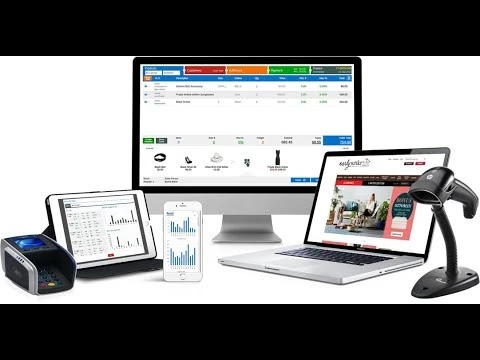
A POS system, or point of sale system, is the combination of software and hardware used to complete sales transactions. It records purchases, processes payments, and generates sales data in real time. Most modern POS systems include a screen, receipt printer, cash drawer, and payment terminal, all connected to a central system.The software side manages sales records, pricing, taxes, and reports. This integration allows businesses to handle transactions accurately while keeping data organized and accessible.
How POS Systems Support Business Efficiency
Efficiency is one of the main reasons businesses adopt POS systems. Manual billing and record-keeping take time and increase the risk of errors. A POS system automates these tasks, reducing mistakes and speeding up the checkout process.Faster transactions lead to shorter queues and better customer satisfaction. At the same time, business owners gain instant access to sales data, which helps them understand peak hours, popular products, and overall performance without waiting for end-of-day summaries.
POS Systems and Inventory Management
Inventory control is a major challenge for many businesses. A POS system helps by updating stock levels automatically after each sale. This prevents over-selling and reduces the chances of running out of popular items unexpectedly.With accurate inventory tracking, businesses can plan restocking more effectively. They can identify slow-moving products and adjust purchasing decisions accordingly. This level of control helps reduce waste and improves cash flow.
Payment Flexibility and Customer Convenience
Modern customers expect multiple payment options. POS systems support cash, cards, contactless payments, and digital wallets. This flexibility makes transactions smoother and more convenient for customers.A reliable POS system processes payments securely and quickly. This builds trust and encourages repeat visits. For businesses, secure payment handling also reduces disputes and improves record accuracy.
POS Systems in Different Business Environments
POS systems are used across many industries. Retail stores use them for sales tracking and inventory control. Restaurants rely on POS systems to manage orders, tables, and billing. Service businesses use them to handle appointments and payments.Each environment benefits differently, but the goal remains the same: streamline operations and reduce manual effort.The adaptability of point of sale systems Ireland makes them suitable for both small businesses and large enterprises.
Data Insights and Business Decisions
One of the strongest advantages of a POS system is access to data. Sales reports, daily summaries, and performance trends are available in real time. This information helps business owners make informed decisions.By analyzing sales patterns, businesses can adjust pricing, improve product placement, and plan promotions more effectively. Data-driven decisions lead to better results and long-term growth.
Reliability and System Stability
A POS system must be reliable to support daily operations. Downtime can disrupt sales and frustrate customers. Modern POS systems are designed to handle high transaction volumes while maintaining stability.Cloud-based POS systems also offer data backups and remote access. This ensures that business information remains safe and accessible even if hardware issues occur.
Training and Ease of Use
Ease of use is essential, especially in environments with staff turnover. POS systems are designed with simple interfaces that reduce training time. Employees can learn basic functions quickly, which helps maintain smooth operations.Clear layouts and straightforward processes reduce mistakes during billing and order entry. This improves efficiency and keeps customers satisfied.
Security and Compliance
Security is a critical part of any POS system. Customer payment data must be protected at all times. Modern POS systems include encryption and compliance measures to ensure safe transactions.By following security standards, businesses protect themselves from data breaches and build customer trust. A secure POS system supports long-term business credibility.
Final Thoughts
A POS system is more than a tool for processing payments. It supports efficiency, accuracy, and better decision-making across daily business operations. From inventory management to customer convenience, its impact is felt in every part of the business.As businesses continue to grow and adapt, a reliable POS system remains an essential component for smooth operations and sustained success.
For more related blogs visit here