
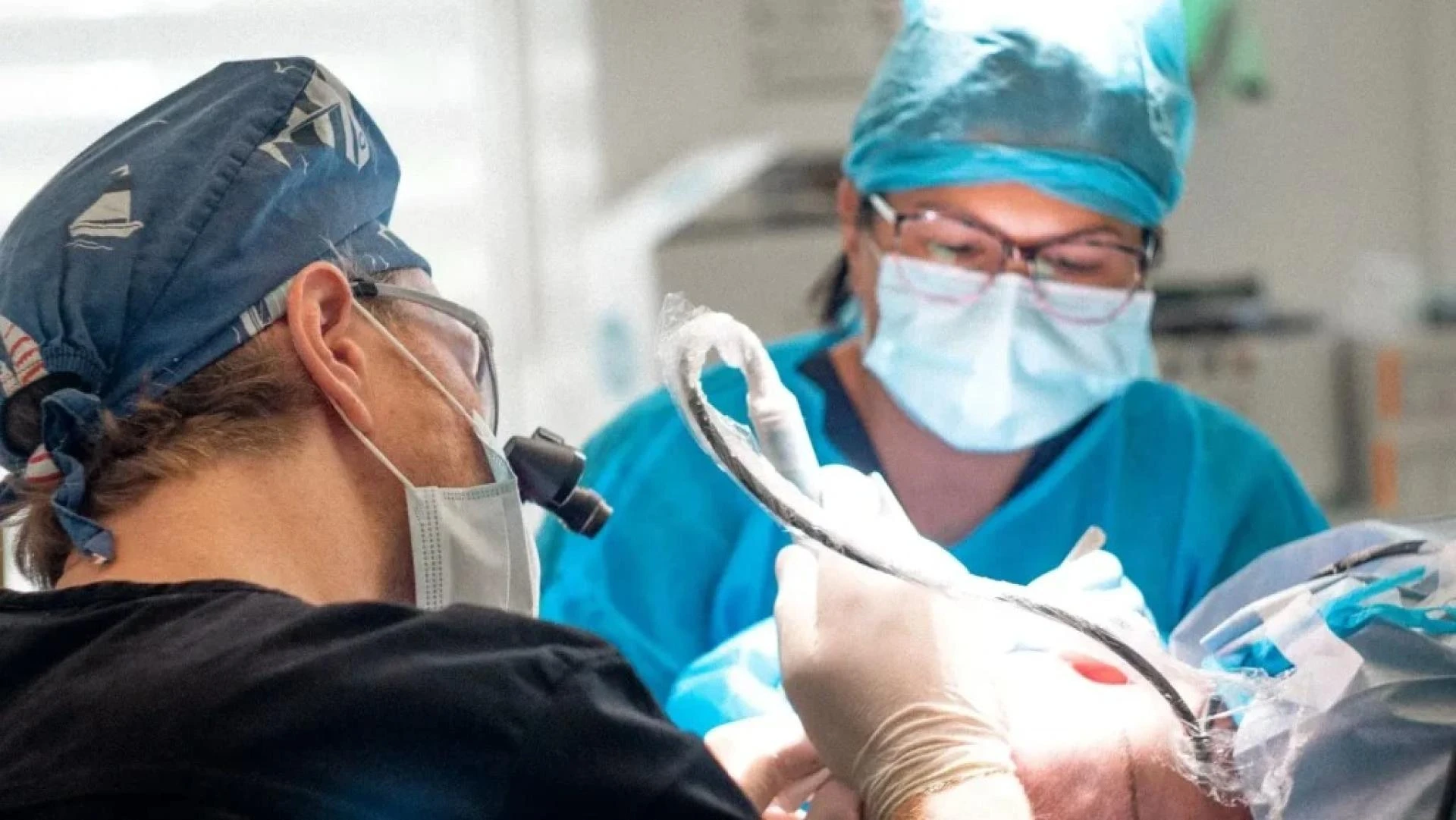
Hair restoration is a life-changing procedure that requires careful planning, professional execution, and diligent aftercare. For patients undergoing a hair transplant UK, recovery and aftercare are critical components to ensure optimal results. At Westminster Medical Group (WMG London), every patient receives not only a highly personalized surgical experience but also detailed guidance on post-procedure care. Understanding what to expect immediately after the procedure, how to manage side effects, and the timeline for hair growth can make the recovery process smoother and more successful.
Immediate Post-Procedure Care
After undergoing a hair transplant UK, the first few days are essential for safeguarding the transplanted grafts and promoting healing. Patients are usually advised to avoid touching or scratching the treated area to prevent dislodging the grafts. WMG London provides a detailed post-operative care plan that includes gentle cleaning routines, use of specialized shampoos, and instructions for sleeping positions to reduce pressure on the newly implanted follicles.
Pain and discomfort immediately following the procedure are typically mild. Patients may experience soreness in both the donor and recipient areas, which can be managed with prescribed analgesics. It is also common for small scabs to form around the transplanted follicles. These are a normal part of the healing process and should be left intact to prevent infection and support graft survival.
During the immediate recovery phase, patients should avoid strenuous physical activities, including heavy lifting or intense exercise. Excessive sweating or trauma to the scalp can interfere with the healing process. Additionally, exposure to direct sunlight should be limited, and wearing a loose-fitting hat is recommended when outdoors.
Managing Swelling, Redness, and Initial Shedding
Swelling and redness are normal reactions in the days following a hair transplant UK. Swelling usually occurs around the forehead and eyes due to fluid accumulation and typically resolves within three to five days. To minimize swelling, patients can apply cold compresses as advised by the clinic and maintain an elevated head position while sleeping.
Initial shedding of transplanted hairs is another common occurrence. This phenomenon, known as “shock loss,” can be alarming if unexpected, but it is a normal part of the hair restoration process. The transplanted follicles enter a resting phase before initiating new growth. Patients are reassured that the follicles remain healthy beneath the scalp, and new hair will gradually emerge over the coming months.
It is important to follow the surgeon’s guidance regarding medications, topical treatments, and hair washing schedules. WMG London ensures that each patient receives a tailored protocol to reduce inflammation, prevent infection, and support the grafts’ integration into the scalp. Compliance with these instructions is crucial for long-term success.
Timeline for Hair Growth and Results
Understanding the timeline of hair growth after a hair transplant UK helps manage expectations and reduces anxiety during recovery. Typically, the first noticeable hair growth appears around three to four months post-procedure. These new hairs may initially be fine and lighter in color, gradually thickening and darkening over time.
By six to nine months, most patients see significant improvement in density and coverage. Full results are usually achieved between 12 and 18 months, depending on individual hair characteristics and the extent of the transplant. It is important to note that natural hair growth cycles vary, and patience is key during this period.
WMG London emphasizes regular follow-ups during this phase to monitor progress and address any concerns. These consultations provide an opportunity to discuss additional treatments, if necessary, such as PRP therapy or topical regimens to enhance hair growth and maintain scalp health.
Long-Term Maintenance and Follow-Up
Long-term maintenance is a critical aspect of ensuring that the results of a hair transplant UK remain natural and lasting. Patients are encouraged to continue using gentle hair care products and avoid habits that can damage the hair or scalp, such as aggressive brushing or chemical treatments.
Periodic check-ups at the clinic help evaluate the health of transplanted and native hair. These visits allow surgeons to provide guidance on lifestyle adjustments, nutritional support, and hair care practices that optimize the longevity of the transplant. In some cases, additional procedures may be recommended to enhance density or refine hairline design.
Patients may also be advised on the use of medical therapies, such as minoxidil or finasteride, to maintain existing hair and prevent further thinning. Integrating these strategies as part of a comprehensive aftercare plan ensures that results remain aesthetically pleasing over the long term.
Conclusion
Recovery and aftercare following a hair transplant UK are essential for achieving natural, long-lasting results. Immediate post-procedure care, careful management of swelling and initial shedding, and adherence to long-term maintenance guidelines all play a pivotal role in the success of the transplant. At Westminster Medical Group (WMG London), patients receive expert guidance and personalized support throughout every stage of their journey. By following professional advice and prioritizing scalp health, patients can enjoy the transformative benefits of hair restoration with confidence and satisfaction.