Water is essential for life, but managing it has always been a challenge. As cities grow and weather patterns change, it's becoming harder to make sure that water is used efficiently and without waste. That’s where smart water management using IoT steps in to help.
IoT, or the Internet of Things, refers to devices connected to the internet that can send and receive data. These devices can be used to monitor water systems in real-time, helping us manage water better in homes, farms, industries, and cities.
In this blog, we’ll explain how IoT is being used for water management, what its benefits are, and how it is already helping many people and organizations save water, time, and money.
What Is Smart Water Management Using IoT?
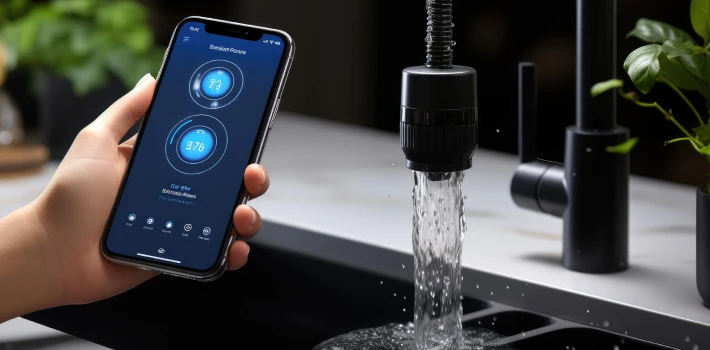
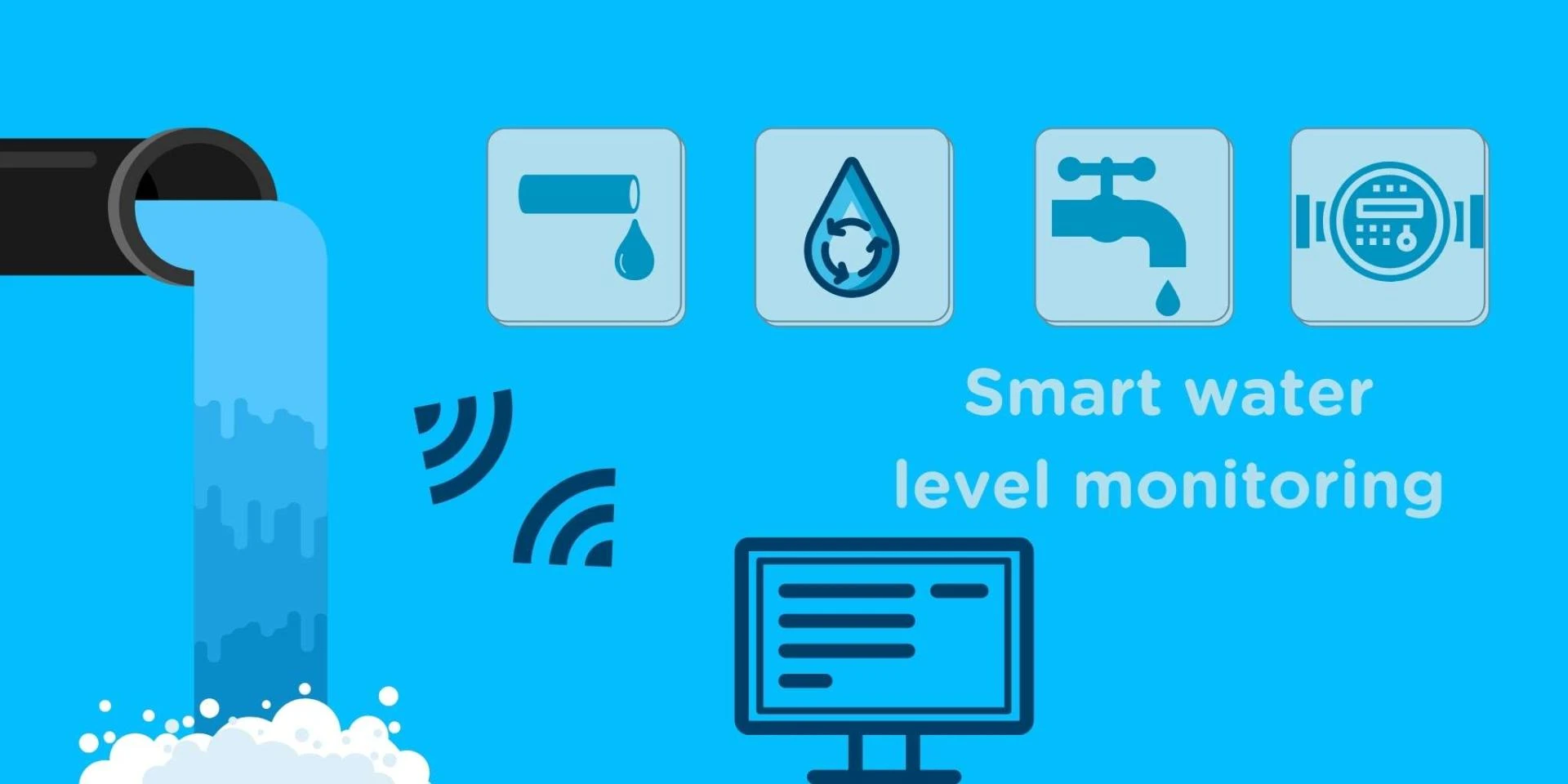
Smart water management using IoT means using sensors, meters, and smart devices to monitor water levels, flow, and quality. These devices send real-time data to a dashboard or mobile app. This helps users make quick decisions, fix problems early, and keep their water systems running smoothly.
For example, if a water tank is about to overflow or a pipeline has a leak, sensors will alert the user. This prevents water loss and costly damage.
Why Use IoT for Water Management?
Here’s how IoT monitoring helps in managing water more effectively:
1. Live Data Monitoring
With IoT, you can keep an eye on your water systems all the time. Whether it’s a storage tank, pipeline, or irrigation system, sensors send live updates that you can check on your phone or computer.
2. Leak and Fault Alerts
Leaks are a major reason for water loss. Smart systems can detect leaks early and send alerts. Fixing these leaks quickly prevents waste and saves money.
3. Better Control
Systems can be set up to automatically switch pumps on or off based on tank levels or soil moisture. This is very useful in agriculture and industrial setups.
4. Detailed Reports
IoT systems provide daily or monthly reports on water use. These reports help users plan and reduce unnecessary consumption.
Key Components in a Smart Water System
A complete smart water management using an IoT setup usually includes:
- Sensors to measure water level, pressure, flow rate, and sometimes quality.
- Smart water meters are used to record and report usage data.
- Gateways and Networks to transfer data from devices to the cloud or dashboard.
- Control Units that can turn pumps or valves on/off.
- Monitoring Software where users can view reports, alerts, and live status.
Where Is Smart Water Management Using IoT Used?
1. In Agriculture
Watering crops at the right time is important for healthy farming. A smart irrigation system using IoT uses sensors to check soil moisture, temperature, and weather conditions. This helps farmers water only when needed.
This not only saves water but also improves crop growth. Farmers don’t have to guess when to irrigate. The system gives them clear data and even automates watering.
2. In Cities
Many urban areas face water supply issues due to leaks, poor planning, or overuse. An IoT remote monitoring solution helps city officials track water supply lines, pressure, and consumption. They can find out where water is being wasted and fix problems faster.
Smart city projects across India are already using these systems to provide better services to citizens.
3. In Industry
Industries use water in large amounts, especially in cooling systems and cleaning processes. IoT tank level monitoring helps factory managers know when tanks need filling or if pumps are working properly.
It reduces downtime and keeps operations smooth.
Benefits of Smart Water Management Using IoT
There are several benefits to using IoT-based water management systems:
1. Reduced Water Wastage
The biggest benefit is saving water. Smart systems ensure that water is used only when needed and detect leaks or overuse early.
2. Saves Time and Labour
Manual monitoring takes time. IoT does it automatically, saving time and reducing the need for manual checks.
3. Cost-Effective
Even though the setup may cost more in the beginning, it saves money in the long run by avoiding water loss and lowering electricity bills from unnecessary pump usage.
4. Improved Planning
Users can check how much water they use and plan better. This is especially helpful during dry seasons or water shortages.
5. Environmental Benefits
Less water waste means less pressure on natural water sources like rivers and lakes. Smart systems also reduce energy use, making them eco-friendly.
Examples of IoT in Action
Chennai’s Smart Water Projects
Chennai has started using smart water meters in many areas to track daily water use. The data helps city officials and residents avoid waste and monitor supply issues in real-time.
AMRUT 2.0 in Indian Towns
Many towns under the AMRUT 2.0 scheme have adopted IoT tank level monitoring to improve supply reliability. These systems alert officials if tank levels are too low or if there’s a sudden drop due to a leak.
These real-world examples show how IoT monitoring is helping both big cities and small towns handle water better.
Common Challenges
While smart water management using IoT is highly useful, a few challenges need attention:
- High Initial Cost: Buying and installing sensors and smart meters may seem expensive at first.
- Internet Access: IoT devices need a steady internet connection to work properly. In remote areas, this can be a problem.
- User Training: Some users might find the dashboards and apps confusing at first.
- Maintenance: Devices must be checked and maintained to work correctly over time.
However, most of these issues can be solved with good planning and support.
What’s Next in IoT-Based Water Management?
The future of water management looks smart and connected. Here’s what we can expect:
- Use of Artificial Intelligence with IoT to make predictions and suggestions.
- Drones for inspecting pipelines and remote water tanks.
- Mobile apps that show daily usage and give simple tips to save water.
- Government support for setting up smart irrigation systems using IoT in rural areas.
As more people and businesses start using these solutions, we will see better water savings and improved services.
Conclusion
Smart water management using IoT is not just a new idea, it’s already making a big difference in how we use water. From tracking usage to fixing leaks early, these systems help in every step of water management.
Whether you are a farmer, a factory owner, or a city planner, IoT-based solutions can help you reduce waste, save money, and use water more wisely. It’s all about making simple, smart choices with the help of technology.
Now is the best time to start using IoT for water management. With easy-to-use systems and growing support, managing water smartly is not just possible, it’s practical.