In high-risk environments where seconds matter and conditions are unpredictable, proper training can mean the difference between life and death. The Technical Rope Rescue Course and the Tactical Combat Casualty Care (TCCC) Course are two of the most essential programs designed for emergency responders, tactical professionals, rescue personnel, and outdoor operators. These courses provide the skills, confidence, and knowledge needed to perform efficient rescues and deliver lifesaving medical care in austere and hostile environments.
Technical Rope Rescue Course: Mastering Vertical Rescue Skills
The Technical Rope Rescue Course focuses on equipping students with specialized rope rescue techniques used in difficult terrain, confined spaces, and elevated environments. Rescue operations often occur in challenging locations such as cliffs, mountains, industrial sites, and collapsed structures. In these situations, responders must rely on rope systems to safely access, stabilize, and evacuate injured individuals.
Participants learn how to properly inspect, use, and manage rope rescue equipment, including harnesses, carabiners, pulleys, and anchor systems. The course emphasizes safe rigging practices, knot tying, anchor building, and load management to ensure stability during rescue operations. Students also gain hands-on experience in lowering and raising rescue systems, patient packaging, and vertical evacuation techniques.
One of the key benefits of this course is its focus on real-world application. Students work in simulated rescue scenarios that replicate real emergencies, helping them build confidence and decision-making skills. By the end of the training, participants are prepared to safely perform rescues in high-angle and difficult environments while protecting both the patient and the rescue team.
Tactical Combat Casualty Care Course: Lifesaving Skills Under Pressure
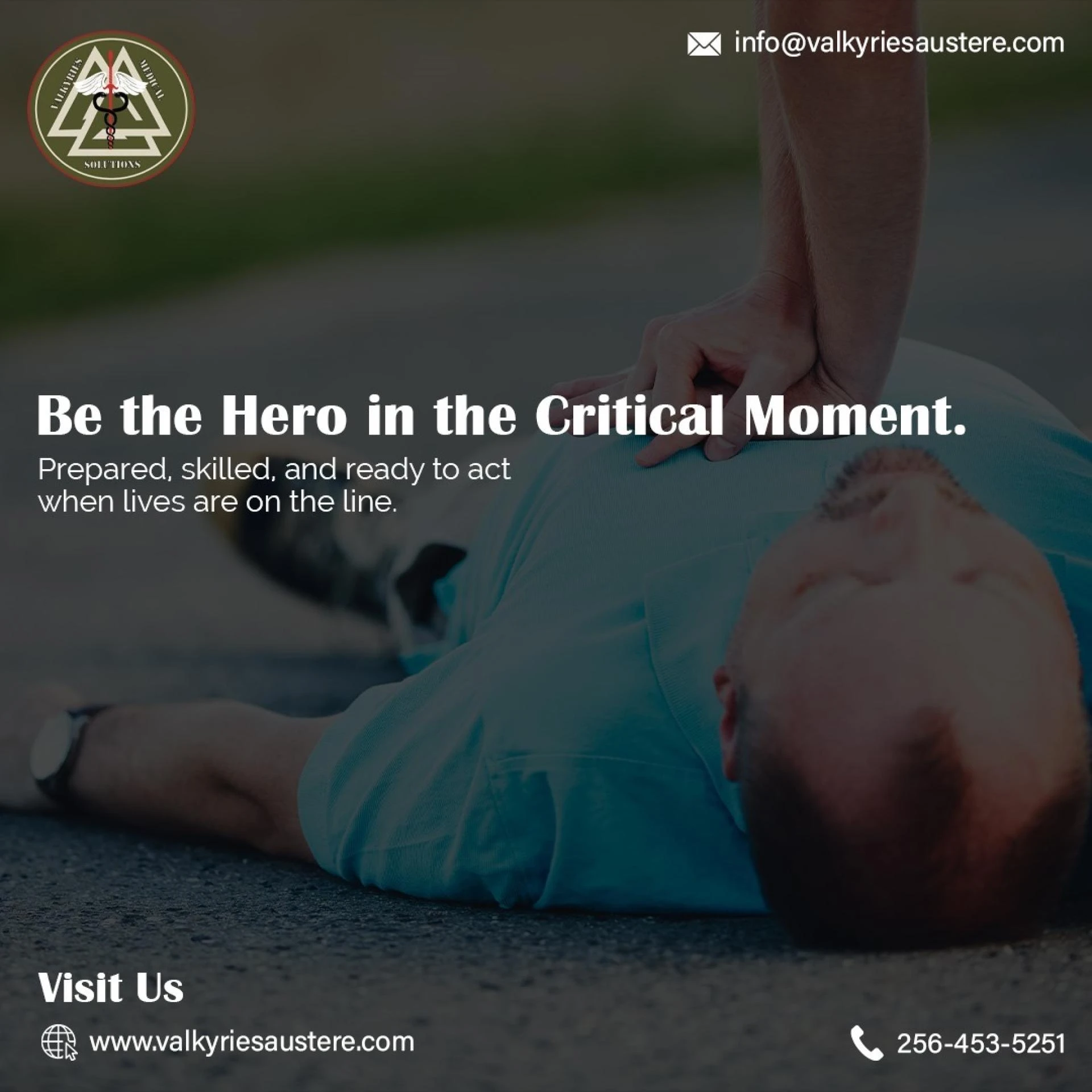
The Tactical Combat Casualty Care Course is designed to teach critical trauma care skills for use in high-threat and tactical environments. Originally developed for military use, TCCC principles are now widely used by law enforcement, security teams, and emergency responders. The course focuses on managing preventable causes of death in trauma situations, including severe bleeding, airway obstruction, and respiratory emergencies.
Students learn how to perform rapid trauma assessments, apply tourniquets, control hemorrhage, manage airways, and provide lifesaving interventions in high-stress situations. The training also covers casualty evacuation procedures, ensuring patients are safely moved from dangerous areas to secure medical care locations.
The course emphasizes three key phases of care: Care Under Threat, Tactical Field Care, and Tactical Evacuation Care. Each phase teaches participants how to provide appropriate medical care while maintaining situational awareness and personal safety. Hands-on training and realistic scenarios help students develop the ability to respond quickly and effectively under pressure.
Integrated Training for Complete Operational Readiness
Combining rope rescue skills with tactical medical training creates a well-rounded responder capable of handling complex emergencies. Rescue personnel often encounter situations where both technical access and advanced medical care are required. These courses ensure participants can reach injured individuals in difficult locations and provide immediate, lifesaving treatment.
This integrated approach improves operational efficiency, enhances team coordination, and increases overall safety during rescue missions. Participants gain practical skills that can be applied in law enforcement operations, search and rescue missions, disaster response, and wilderness emergencies.
Conclusion
The Technical Rope Rescue Course and Tactical Combat Casualty Care Course provide essential training for professionals who operate in high-risk and austere environments. These programs build technical expertise, improve confidence, and prepare responders to manage emergencies effectively. With hands-on training, realistic scenarios, and expert instruction, participants gain the skills needed to save lives and perform safely in the most challenging situations.