It can be very hard to see a doctor. This is especially true if you do not have much money. Traveling costs time and gas. Missing work means losing pay. These problems stop people from getting the care they need. But there is a great new way to fix this.
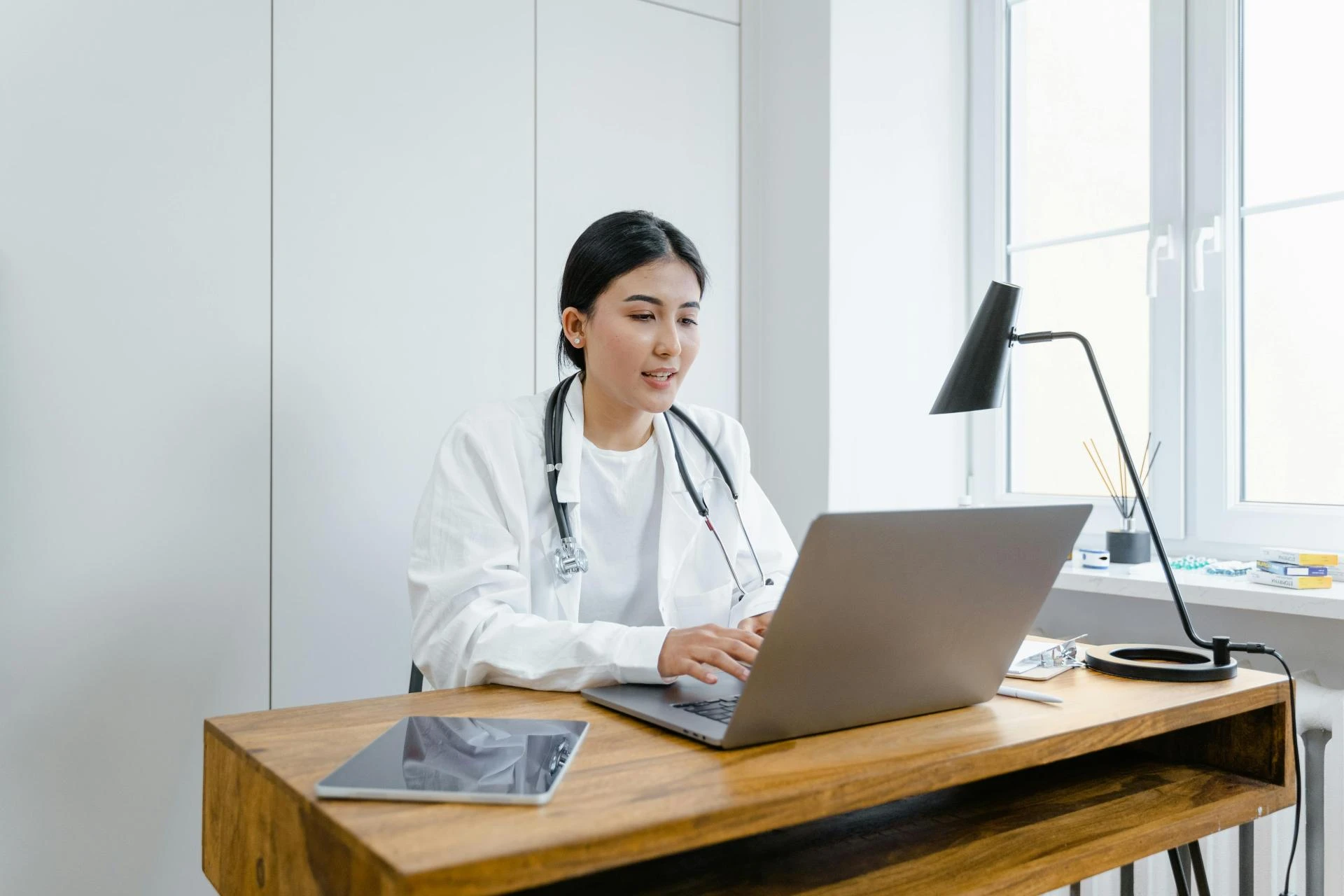
It is called telehealth. Telehealth uses your phone or computer to connect you to a doctor. Making telehealth services for low-income communities easy to use is a big deal. It means better health for everyone in our town.
How Telehealth Services for Low-Income Communities Work
The simple answer is that telehealth removes the major roadblocks families face. It uses technology to bring the doctor to the patient. This makes care possible when travel or money is a problem.
Telehealth Fixes Travel and Time Problems
Going to the clinic used to be the only option. Now, telehealth gives people a better choice. It solves the biggest headaches:
The Old Way (Clinic Visit)
The New Way (Telehealth Visit)
Must find a babysitter for the kids.
Kids can play quietly nearby.
Must pay for the bus or gas to travel.
Zero travel cost. Zero travel time.
Must take an hour or more off work.
Can use a short break time for the visit.
Must sit in a sick waiting room.
You wait safely at home.
This change is huge. It means people can keep their jobs and their health at the same time.
Fixing the Tech and Money Roadblocks
It is not enough to just offer a video call. Telehealth services for low-income communities must solve the payment and device problems, too.
- Solving Cost: These programs often work with charities or local grants. This means the money problem is usually gone or very small. They connect people with free clinics right away.
- Solving Devices: What if you do not have a new phone or fast internet? These programs use simple apps that work on older phones. Many visits are done by a simple phone call. You do not always need video chat.
The goal of telehealth services for low-income communities is to make sure nothing stands in the way of your health.
Finding a Nonprofit Telehealth Organization
You may wonder where these services are located. They are usually run by non-profit groups or local health centers. These organizations focus on helping the public, not making a profit.
Groups That Provide Care
Look for these groups in your area to find reliable help:
- Community Health Centers: These clinics already give low-cost care. Many now add video or phone calls to their services.
- Charity Hospitals: Large hospitals often have free remote programs for families who live far away.
- Local Non-Profits: Organizations like Love Begins At Home may not give medical advice. But they can connect you to the right free service near you. They know which nonprofit telehealth organization is best.
What Kinds of Care does Telehealth provide
Telehealth is for more than just a quick sick visit. It helps with many aspects of health.
- Mental Health: You can talk to a counselor from the privacy of your home. This is safe and easy.
- Check-ups: Managing long-term sickness, like sugar problems, is easier with video check-ins.
- Medication Help: A nurse can call to make sure you understand your new pills.
A good nonprofit telehealth organization offers these key services. They offer constant support, not just quick fixes.
Making Telehealth Accessible
The growth of telehealth services for low-income communities is a team effort. We all benefit when our neighbors are healthy. You can help make this new way of care work for everyone.
Why Your Help Matters
These programs run on donations and volunteer help. Every little bit you do makes a big difference.
If you Volunteer:
If you Donate:
You can teach an older neighbor how to use a tablet for their visit.
Your money buys a free data plan for a patient who needs internet access.
You can drive someone to a local center to use their Wi-Fi.
Your money pays the cost for a nonprofit telehealth organization to run its call center.
You help a clinic run smoothly.
You provide important medicine or supplies to a family.
Join the Effort Today
Do you believe that everyone deserves easy access to a doctor? You can take action now. Supporting Love Begins At Home, or a similar local group, helps fund these programs.
Here are simple steps to help:
- Find a Local Group: Look for a health non-profit in your city.
- Ask What They Need: They might need old, working phones or tablets.
- Give Time or Money: Even an hour of your time can help someone connect with a doctor.
Conclusion
Telehealth is a game-changer for poor families. It removes the need for travel. It fixes the problem of missing work. It connects people to doctors who care. Making telehealth services for low-income communities accessible is how we build strong, healthy towns.
Groups like Love Begins At Home show us this is possible. You have the power to help this grow. By supporting local efforts, you ensure that health care is never out of reach again.
Frequently Asked Questions
Q: Is telehealth as good as seeing a doctor in person?
A: Yes, for many common things, it is just as good. Telehealth is perfect for talking about symptoms, checking blood pressure, and getting refills on medicine.
Q: Do I need a computer for telehealth?
A: No, you do not. Many programs can be done with a simple phone call. They work with whatever device you have.
Q: Is my talk with the doctor private on a video call?
A: Yes. Good telehealth programs use special, safe apps. These apps keep your talks just as private as a regular visit.
Q: What kinds of doctors use telehealth?
A: Many kinds use it now. This includes family doctors, mental health counselors, skin doctors, and even diet experts.
Q: If I don't have a good internet, can I still use it?
A: Yes. Many telehealth services for low-income communities partner with libraries or community centers. You can often go there to use their free, fast Wi-Fi for your visit.