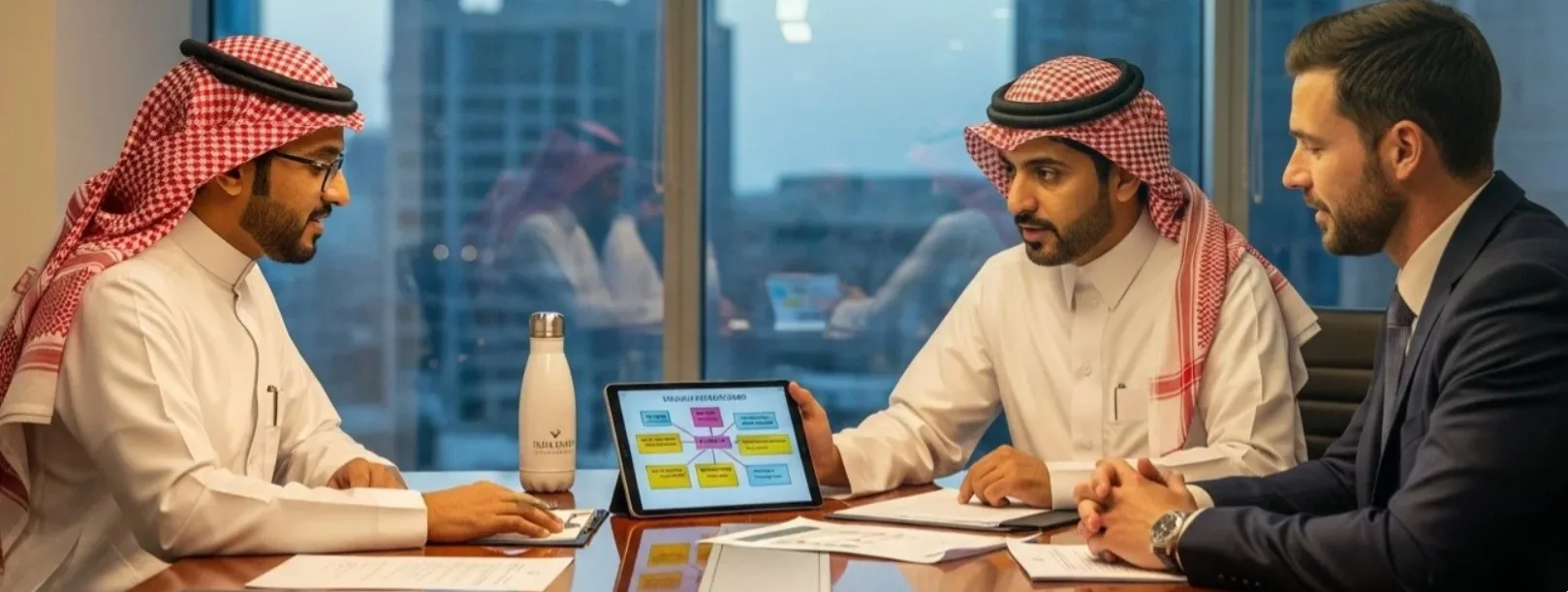
The way we work is changing faster than ever. A few years ago, many people worked only from offices, attended in-person meetings, and followed traditional work routines. Today, remote work, digital tools, and Artificial Intelligence (AI) have changed the workplace completely.
Because of these changes, having a degree alone is no longer enough. Professionals need to keep learning new skills and stay updated with industry trends. The people who are willing to learn and adapt will have better opportunities in the future.
So, what skills will help professionals stay competitive in the years ahead?
Adaptability Is a Must
One of the most important skills for the future is adaptability. Technology and business practices continue to change, and companies need employees who can adjust to new situations.
People who are open to learning new tools, processes, and ways of working often perform better in changing environments. Instead of fearing change, successful professionals see it as an opportunity to grow.
Being flexible and willing to learn can help you stay relevant in any industry.
Digital Skills Are Becoming Essential
Technology is now a part of almost every job. Whether you work in marketing, education, healthcare, finance, or customer service, digital tools are used every day.
You do not need to become a software developer, but understanding common digital tools can make a big difference. Knowing how to use collaboration platforms, online communication tools, and AI-powered applications can improve productivity and efficiency.
Professionals who are comfortable with technology are often more valuable to employers.
Strong Communication Skills Still Matter
Even with all the advances in technology, communication remains one of the most important workplace skills.
Employers value people who can clearly express their ideas, listen to others, and work well in teams. Good communication helps reduce misunderstandings and creates stronger relationships with coworkers and clients.
Whether communication happens through email, video calls, or face-to-face meetings, the ability to communicate effectively will always be important.
Critical Thinking and Problem-Solving
In today's world, information is easy to find. However, understanding that information and using it wisely is what really matters.
Critical thinking helps professionals analyze situations, evaluate options, and make better decisions. Companies look for employees who can solve problems instead of waiting for others to provide answers.
As workplaces become more complex, strong problem-solving skills will continue to be highly valued.
Emotional Intelligence Is Important
Technology can automate many tasks, but it cannot replace human emotions and relationships.
Emotional intelligence is the ability to understand your own emotions and recognize the feelings of others. It helps people build trust, work effectively with teams, and handle workplace challenges professionally.
Leaders with strong emotional intelligence often create positive work environments and stronger teams. This skill is becoming increasingly important as businesses focus more on collaboration and employee well-being.
Continuous Learning Creates Opportunities
One of the biggest differences between successful professionals and those who struggle is their willingness to keep learning.
Industries are constantly evolving, and new skills are always in demand. Taking online courses, attending workshops, reading industry news, and learning new technologies can help professionals stay competitive.
Learning should not stop after graduation. In fact, continuous learning is one of the best ways to grow both personally and professionally.
Understanding AI Can Be an Advantage
Artificial Intelligence is changing many industries. Businesses are using AI to automate tasks, analyze data, improve customer service, and increase productivity.
While some people worry that AI will replace jobs, it is more likely to change how work is done. Professionals who understand how to use AI tools can often complete tasks faster and more efficiently.
Learning how AI works and how it can support your job can provide a valuable advantage in the modern workplace.
Building a Growth Mindset
A growth mindset means believing that skills and abilities can improve through effort and learning. People with this mindset are more likely to accept challenges, learn from mistakes, and continue improving.
The future workplace will reward people who are willing to grow and adapt rather than those who resist change.
A positive attitude toward learning can help professionals succeed in almost any career.
Conclusion
The future of work will be shaped by technology, innovation, and changing business needs. To stay competitive, professionals must focus on developing skills such as adaptability, digital literacy, communication, critical thinking, emotional intelligence, and continuous learning.
While technology will continue to evolve, human skills will remain extremely valuable. Those who are willing to learn, improve, and embrace change will be in the best position to succeed in the years ahead.
The workplace may look different in the future, but one thing will remain the same: people who continue learning and growing will always have the greatest opportunities.