Waterproofing is one of those silent heroes in construction that no one talks about until a problem arises. A dripping ceiling, damp walls, peeling paint, or mold growth not only affects the beauty of a home but also its health and longevity. In India, where monsoons and humidity are a yearly challenge, waterproofing solutions have become essential for homeowners, builders, and even painters.
Traditionally, waterproofing was a specialized job, often requiring contractors, heavy materials, and technical expertise. But with advanced products like Elephant Shield Liquid Rubber, the entire story has changed. Today, even a painter can confidently handle waterproofing tasks without calling in multiple agencies.
Let’s dive deeper into modern waterproofing solutions, understand how they evolved, and see how Elephant Shield Liquid Rubber is making waterproofing simpler, smarter, and more cost-effective for Indian homes.
Understanding Modern Waterproofing Solutions
How Waterproofing Technology Has Evolved
If we rewind a few decades, waterproofing in India was limited to cement slurries, bitumen coatings, or tar-based sheets. These methods worked temporarily but often cracked with temperature changes, leaving homeowners frustrated.
Fast forward to today, and the landscape looks entirely different. The construction industry has embraced liquid-applied membranes, elastomeric coatings, and advanced polymers. These are easy to apply, flexible, UV-resistant, and long-lasting.
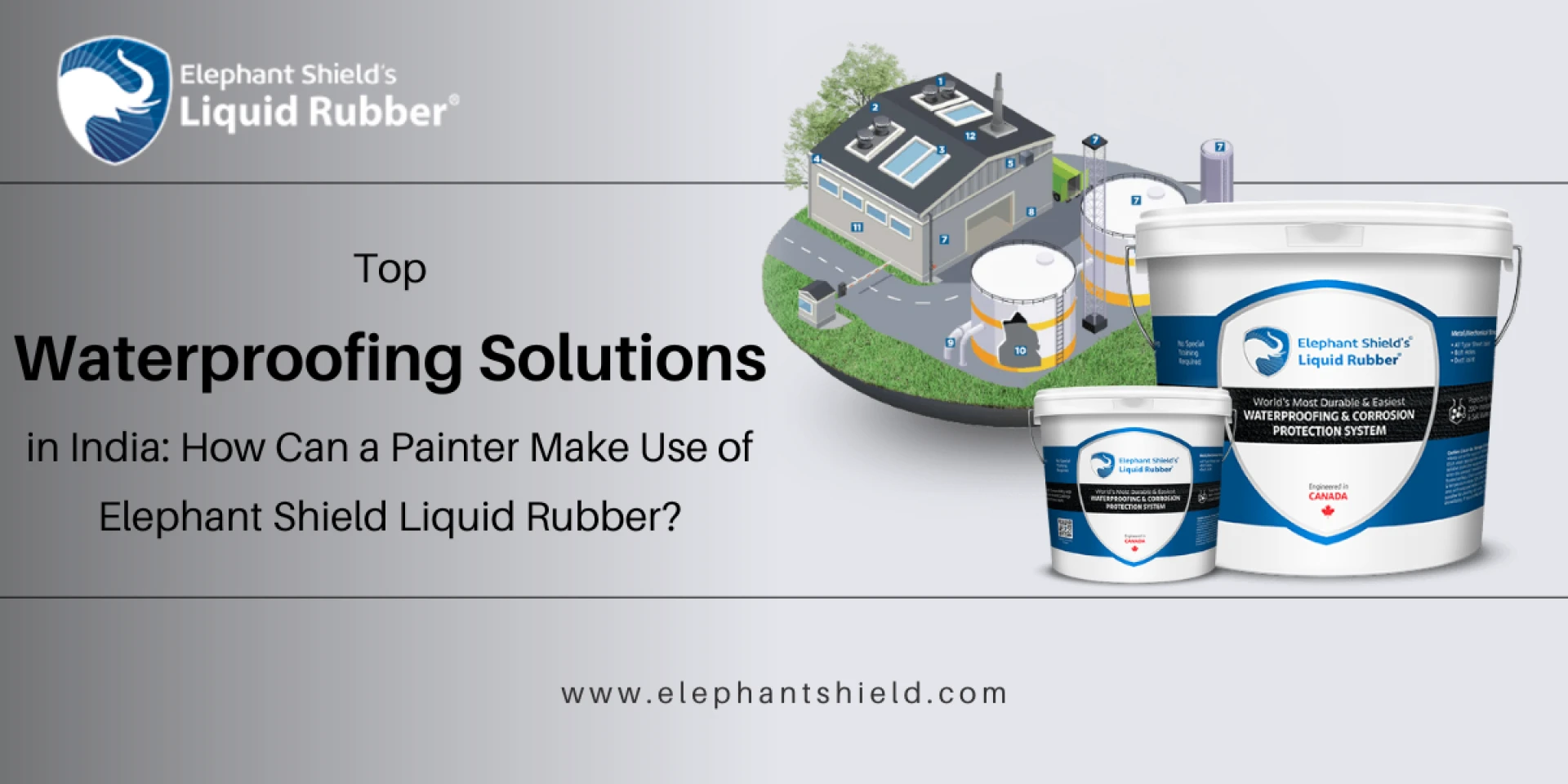
Here’s where the revolution truly lies: ease of application. Earlier, waterproofing required specialists with technical know-how, but today products like Elephant Shield Liquid Rubber come in ready-to-use formulas. No heating, no mixing, and no primers—just open the container and apply directly with a brush, roller, or spray.
This democratization of waterproofing means that even painters, who already understand surfaces and coatings, can now offer waterproofing services without additional training.
Role of Coatings, Membranes, and Sealants in Building Protection
Every building has its weak spots—rooftops, exterior walls, terraces, and basements. These are the first areas where water tries to seep in. Without protection, moisture finds its way inside, leading to structural damage.
- Coatings act like a protective skin. Advanced liquid rubber coatings (like Elephant Shield) form a seamless, elastic layer that covers every crack and joint.
- Membranes are sheet-like barriers, but they often require heat application and overlap joints, which may fail over time.
- Sealants are used for gaps around windows, doors, and joints but can’t protect large surfaces alone.
This is why coatings like Elephant Shield Liquid Rubber stand out—they combine the benefits of membranes and sealants in one product. Once applied, the surface becomes waterproof, weatherproof, and flexible, ensuring protection against leaks and dampness.
Why Elephant Shield Liquid Rubber Is a Game-Changer
At Elephant Shield, we believe that waterproofing should not be complicated. Our Liquid Rubber solution is designed to solve everyday problems in Indian homes. Whether it’s a cracked roof, a leaking terrace, or damp walls, a simple coat of Elephant Shield gives lasting protection.
The best part? Painters can easily apply it. Since painters already work on walls, roofs, and exteriors, they understand surface preparation. With Elephant Shield, they don’t need extra training or machinery—just a brush, roller, or spray. This makes it cost-effective for homeowners and profitable for painters.
FAQs on Waterproofing Solutions
Q1: What is the best waterproofing solution for Indian homes?
A: Advanced liquid-applied coatings like Elephant Shield Liquid Rubber are the best because they are easy to apply, durable, and work across surfaces like roofs, walls, and basements.
Q2: Can a painter really do waterproofing work?
A: Yes, with modern products like Elephant Shield, painters can apply waterproofing without technical expertise. The ready-to-use formula makes it simple and effective.
Q3: How long does Elephant Shield waterproofing last?
A: It provides long-lasting protection, typically several years, depending on the surface and application quality.
Q4: Is Elephant Shield safe for indoor use?
A: Yes, it is eco-friendly, odorless, and safe for both indoor and outdoor applications.
Q5: Is it cost-effective compared to hiring waterproofing contractors?
A: Absolutely. Since painters can apply Elephant Shield, it eliminates the need for specialized contractors, reducing costs significantly.
Conclusion
In India, waterproofing is not a luxury—it’s a necessity. With extreme weather, monsoons, and rising construction costs, homeowners need a solution that is simple, durable, and affordable.
Elephant Shield Liquid Rubber delivers all of this and more. It empowers painters to take on waterproofing work confidently, giving homeowners peace of mind and cost savings. By bridging the gap between specialized contractors and everyday painters, Elephant Shield is redefining waterproofing solutions in India.