
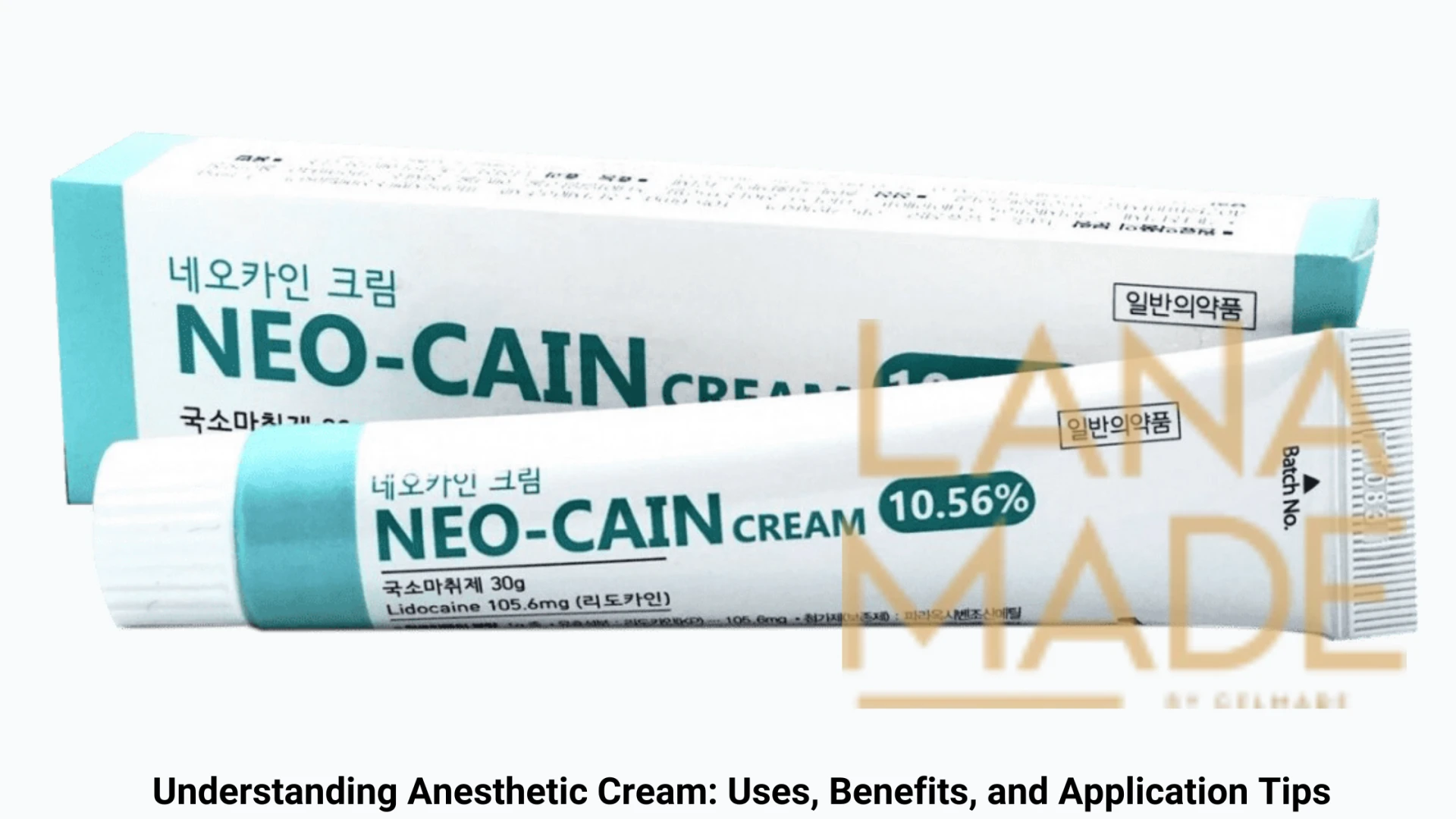
Anesthetic Cream, also known as topical numbing cream, is a product widely used to reduce pain or discomfort on the skin's surface. From tattoo sessions to cosmetic procedures and minor surgeries, these creams play a key role in pain management. But how exactly do they work, and when should you use them? Let’s take a closer look.
What is Anesthetic Cream?
Anesthetic creams are topical medications that contain numbing agents like NEO-CAIN, benzocaine, or prilocaine. When applied to the skin, these substances temporarily block nerve signals in the area, dulling sensations such as pain or itching. The effect is local, meaning it only works where the cream is applied.
Common Uses of Anesthetic Cream
These creams are used in a wide range of medical and cosmetic procedures. Here are some common applications:
- Laser hair removal
- Tattooing and tattoo removal
- Microneedling and chemical peels
- Botox and dermal filler injections
- Minor skin surgeries or biopsies
- Waxing or electrolysis treatments
They are also sometimes used to relieve itching or burning from conditions like sunburn, insect bites, or rashes.
How It Works
Anesthetic creams work by altering the function of nerve endings. The active ingredients penetrate the outer skin and interfere with the sodium channels responsible for nerve signal transmission. Once blocked, you feel significantly less sensation in that area for a period of time, typically ranging from 30 minutes to a few hours.
How to Apply Anesthetic Cream Safely
Proper application ensures maximum effectiveness and safety. Here are a few general guidelines:
- Clean the Skin – Wash and dry the area before applying the cream.
- Apply Evenly – Use a thin, even layer over the treatment area.
- Cover (if recommended) – Some creams are more effective when covered with plastic wrap to help absorption.
- Wait Time – Allow 20–60 minutes for the cream to take effect, depending on the procedure and product used.
- Remove Excess – Wipe off any remaining cream before starting the procedure.
Precautions and Side Effects
While generally safe, misuse or overuse of anesthetic creams can lead to side effects. These may include:
- Redness or irritation at the application site
- Allergic reactions (swelling, itching, or rash)
- Numbness spreading beyond the intended area
- Rare but serious: heart or breathing issues if used in large amounts or improperly
Always follow the instructions on the product or those given by a healthcare provider. For medical or large-area procedures, a professional should apply the cream.
Choosing the Right Product
Different procedures require different strengths and types of anesthetic creams. For example:
- For tattoos: A strong lidocaine-based cream like 5% concentration
- For minor burns or skin irritation: A milder over-the-counter option may suffice
- For cosmetic injections: Fast-acting, deeply penetrating creams are ideal
When in doubt, consult a licensed professional for recommendations.
Conclusion
Anesthetic creams are a helpful tool for reducing discomfort during a variety of skin-related procedures. When used correctly, they can make painful treatments more tolerable and improve overall experience. Whether you're getting a tattoo, undergoing cosmetic work, or just need relief from a skin condition, these creams offer a simple and effective solution for short-term pain management. You can try Lanamade