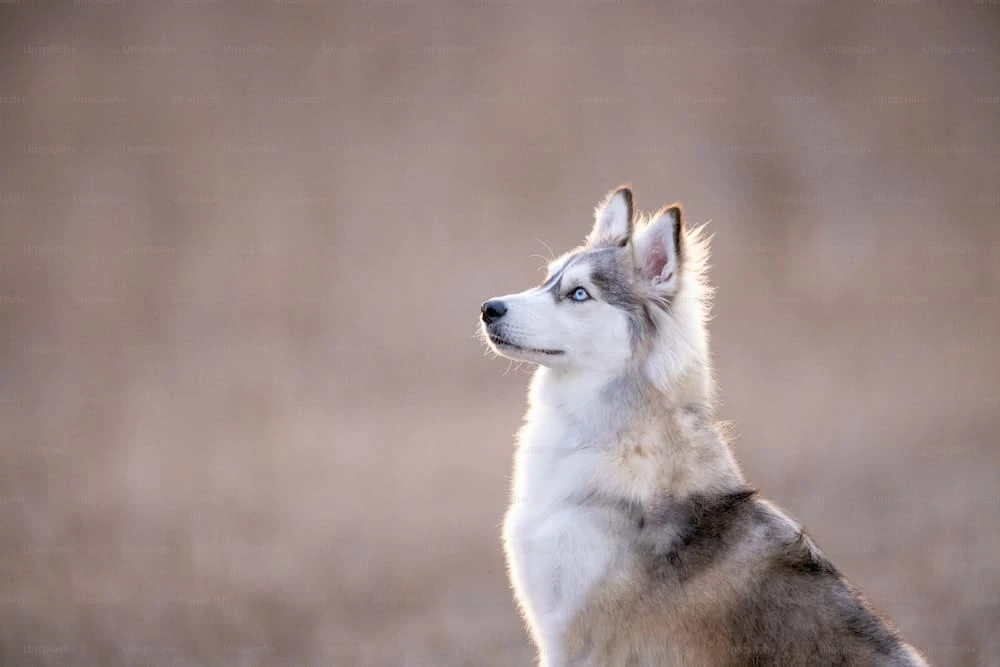
Are huskies more susceptible to cancer than other dog breeds? This question has sparked numerous debates and circulating myths among dog owners and enthusiasts. In this article, we aim to unpack the myth surrounding cancer in huskies and separate fact from fiction.
Huskies Good Dogs
Are Siberian Huskies Good Guard Dogs? Siberian Huskies are known for their friendly and social nature, making them more likely to greet intruders with a wagging tail and a smile rather than with aggression. They tend to be good with people, including strangers, which makes them more suited for roles like family pets or companion animals rather than guard dogs.
Understanding The Myth: Do Huskies Get Cancer?
There is a widespread belief that huskies have a higher risk of developing cancer due to their genetic makeup and specific breed characteristics. However, it is essential to approach this topic with caution and examine the available scientific evidence.
While it is true that some dog breeds are more prone to certain types of cancer, there is no concrete evidence to support the notion that huskies are more predisposed to cancer than others. Factors such as genetics, age, diet, environmental exposure, and overall health play significant roles in determining a dog\'s susceptibility to cancer.
Exploring the factors that contribute to cancer in dogs
When it comes to cancer in dogs, it is crucial to consider the various factors that can contribute to its development. While genetics can play a role, it is not the sole determining factor. Age is another significant consideration, as cancer rates tend to increase with age in both humans and animals. Additionally, diet and environmental exposure can impact a dog\'s risk of developing cancer.
Genetic Predispositions In Huskies and Their Relation To Cancer
While huskies, like other dog breeds, may have certain genetic predispositions, there is no specific evidence linking their genetics to a higher risk of cancer. It is true that some breeds are more prone to certain types of cancer due to specific genetic mutations or variations. However, studies specifically focusing on huskies and their genetic predispositions to cancer are limited.
Environmental factors and their impact on cancer rates in huskies
Environmental factors, such as exposure to certain chemicals or toxins, can contribute to the development of cancer in dogs. In the case of huskies, their thick coats and love for outdoor activities may lead to increased exposure to potential carcinogens. However, it is important to note that environmental factors alone are unlikely to be the sole cause of cancer in huskies or any other breed.
Common types of cancer in huskies
While huskies may not have a higher overall risk of developing cancer, certain types of cancer are more commonly seen in this breed. Hemangiosarcoma, a cancer that affects the blood vessels, is one such example. Other types of cancer, such as lymphoma and osteosarcoma, can also occur in huskies, although their incidence rates may not be significantly different from other breeds.
Recognizing the signs and symptoms of cancer in huskies
Early detection is crucial for effective treatment of cancer in huskies. Familiarizing yourself with the signs and symptoms of cancer can help in identifying potential issues early on. Common symptoms may include unexplained weight loss, changes in appetite, lumps or bumps, difficulty breathing, and abnormal bleeding. If you notice any of these symptoms in your husky, it is essential to consult with a veterinarian for further evaluation.
Preventive measures to reduce the risk of cancer in huskies
While there is no foolproof way to prevent cancer in huskies or any other dog breed, certain measures can help reduce the risk. Providing a balanced and nutritious diet, regular exercise, and maintaining a healthy weight can contribute to overall well-being and potentially lower the risk of cancer (check out this guide on how to choose the best dog food for Huskies). Additionally, minimizing exposure to potential carcinogens, such as secondhand smoke or toxic chemicals, can also be beneficial.
Treatment options and prognosis for huskies with cancer
If your husky is diagnosed with cancer, various treatment options may be available depending on the type and stage of cancer. These options can include surgery, chemotherapy, radiation therapy, and immunotherapy. The prognosis for huskies with cancer can vary depending on several factors, including the type of cancer, its stage at diagnosis, and the overall health of the dog. It is essential to work closely with your veterinarian and oncology specialists to determine the best course of action for your husky.
Conclusion: Debunking the myth and promoting awareness for early detection and prevention
In conclusion, the belief that huskies are more prone to cancer is not adequately supported by scientific evidence. While certain types of cancer may be more commonly seen in this breed, overall, there is no concrete proof that huskies have a higher risk of developing cancer compared to other dog breeds. It is crucial to approach this topic with an evidence-based mindset and focus on promoting awareness for early detection and prevention of cancer in all dog breeds.
By understanding the various factors that contribute to cancer in dogs, recognizing the signs and symptoms, and taking preventive measures, we can help ensure the well-being of our beloved huskies. Regular veterinary check-ups, a healthy lifestyle, and early intervention can make a significant difference in the prognosis and quality of life for huskies and all dogs affected by cancer. Let\'s debunk the myth and continue to promote awareness and education surrounding this important topic. Remember, knowledge is power, and together, we can make a difference in the lives of our furry friends.