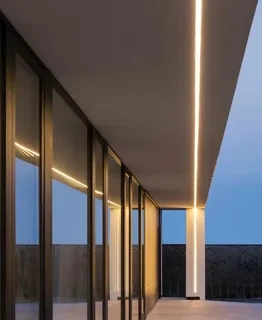
Modern architecture often relies on innovative lighting to highlight design and create visual impact. Among the most popular solutions are facade linear lights, which have transformed how buildings are illuminated after dark. These elongated fixtures provide continuous lines of light, allowing designers to emphasize architectural features, create dynamic effects, and ensure both beauty and functionality for building exteriors.
What Are Facade Linear Lights?
Facade linear lights are specialized lighting fixtures designed to be installed along the edges, frames, or surfaces of building facades. Unlike traditional spotlights or floodlights, linear lights offer a seamless, unbroken line of illumination. This design flexibility allows architects to outline entire structures, highlight vertical or horizontal elements, and even create intricate patterns that enhance a building’s identity.
Linear lights are typically powered by advanced LED technology. LEDs are highly energy-efficient, converting most of the electricity they use into light rather than heat. This not only saves energy but also extends the lifespan of the fixtures, making them a cost-effective choice for long-term architectural projects.
Key Benefits of Facade Linear Lights
1. Design Flexibility and Customization
Facade linear lights can be tailored in length, color, and brightness to suit any architectural style. They are available in various mounting options, such as surface-mounted, recessed, or suspended, allowing them to blend seamlessly with modern or traditional facades. Many systems support color-changing and dimming features, enabling designers to create dynamic lighting scenes for different occasions or branding needs.
2. Enhanced Visual Impact
By outlining a building’s contours or highlighting specific features, linear lights draw attention to architectural details that might otherwise go unnoticed. The continuous light lines can make structures appear more prominent and visually striking, especially at night. This effect is particularly valuable for commercial buildings, hotels, and cultural landmarks seeking to stand out in urban environments.
3. Energy Efficiency and Longevity
LED-based linear lights consume significantly less energy than traditional lighting options. They also have a much longer lifespan, often exceeding 25,000 to 50,000 hours of use. This reduces maintenance costs and the need for frequent replacements, making them a sustainable choice for large-scale projects.
4. Safety and Control
Modern facade linear lights generate minimal heat, reducing fire risks and protecting the building’s exterior. Advanced control systems allow for remote operation, scheduling, and real-time adjustments, ensuring that lighting can be adapted for special events, seasonal changes, or energy-saving initiatives.
Applications of Facade Linear Lights
Facade linear lights are widely used across various sectors. In commercial buildings, they help reinforce branding by incorporating company colors or logos into the lighting design. For residential complexes, they enhance security and create a welcoming atmosphere. In public spaces and cultural sites, linear lights can be programmed for artistic displays or to highlight historical features, making the environment more engaging for visitors.
Also Read: What Distinct Advantages Do Facade Linear Lights Offer Modern Architecture?
Conclusion
Facade linear lights have become an essential tool in contemporary architectural lighting. Their ability to combine energy efficiency, design flexibility, and visual impact makes them a top choice for architects and building owners. For those seeking innovative and reliable solutions, Star Facade Lighting offers a range of high-quality products and expertise to help any project achieve its full potential.